
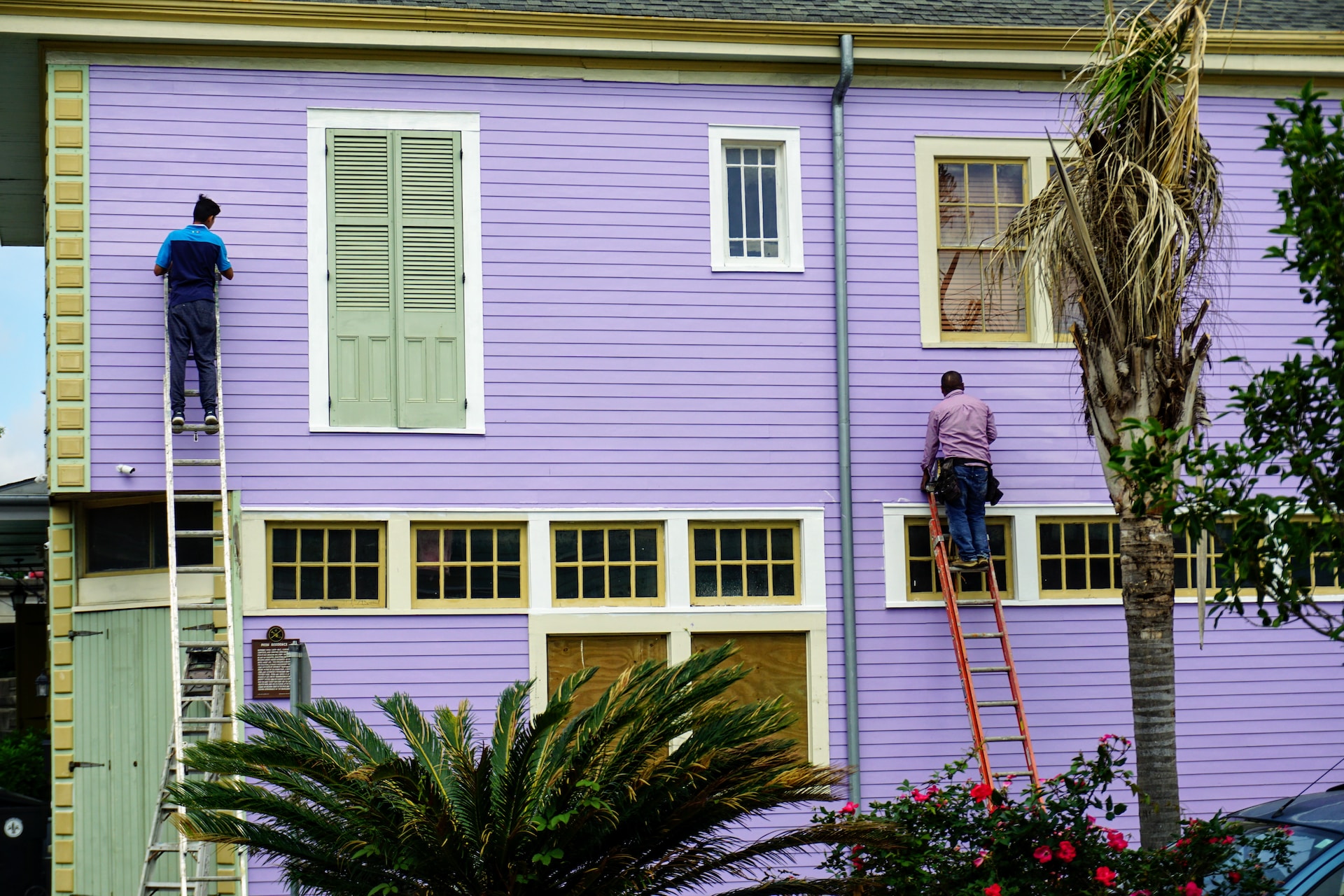
Updated October 2026. A two-day, under-$1,000 plan built around what inspectors and buyers notice first, with figures from NAR, ENERGY STAR, the EPA and NFPA, read October 29, 2026.
You can increase the value of your home today with one weekend and less than $1,000 by fixing what inspectors flag and buyers see first: leaks, dead smoke alarms, drafts, tired paint and dim rooms. As of October 2026, NAR’s latest Remodeling Impact Report says 50% of Realtors tell sellers to paint the whole home before listing, the top pick on its list.
Jump to: ⏱️ The weekend plan · 🪜 Saturday · 🏠 Sunday · 💲 Budget split · 🤝 After the weekend · ❓ FAQ
Key takeaways
- Realtors’ top pre-listing advice is painting the entire home (50%) or one interior room (41%) (NAR 2025 Remodeling Impact Report).
- A WaterSense showerhead uses no more than 2.0 gallons per minute versus 2.5 for a standard one.
- Sealing air leaks and adding insulation can save up to 10% on yearly energy bills (ENERGY STAR).
- Working smoke alarms cut the risk of dying in a home fire by 60% (NFPA).
We’ve written about cheap upgrades before, including cheap ways to improve home value fast and a budget plan for sellers. This one is different. It’s a single weekend, a hard $1,000 cap, and a list built from the things that land on inspection reports. Small defects on a report look bigger than they are, and buyers ask for credits to cover them.
How do you plan a weekend that adds value?
Start Friday night with a 30-minute walk-through. Bring your phone and a notepad. Look at your home the way a buyer’s inspector would: does everything work, drain, close and light up?
- Run every faucet and flush every toilet. Note drips, slow drains and running tanks.
- Press the test button on each smoke alarm and carbon monoxide alarm.
- Flip every switch. Note dead bulbs and loose plates.
- Open and close each door and window. Note sticking, drafts and broken locks.
- Look at caulk around tubs, sinks and windows for gaps or mold.
- Stand at the curb and look at the front door, the house number and the light by the door.
Then sort the list into “fix this weekend” and “call a pro”. Anything gas, electrical-panel, roof or structural goes on the second list. If the walk-through turns up roof damage, get a roofer out early; in the Chicago suburbs, for example, a firm like Happy Roofing roofers in Naperville can inspect it before it becomes a buyer’s repair request.
What should you fix on Saturday?
Morning: water. Swap worn faucet washers or cartridges, replace a flapper in a running toilet, and change the showerhead. A WaterSense labeled showerhead uses no more than 2.0 gallons per minute. A standard one uses 2.5. The EPA says the average family could save 2,700 gallons a year with one, plus more than 330 kWh of electricity from heating less water.
Midday: safety. Replace dead alarm batteries. NFPA says to test alarms monthly and replace each alarm every 10 years, so check the date on the back. Add a carbon monoxide alarm near bedrooms if your home has gas appliances or an attached garage. Tighten loose stair rails. These are cheap, and inspectors note every one.
Afternoon: drafts. Re-caulk gaps around windows and tubs, and add weatherstripping to exterior doors. ENERGY STAR says sealing air leaks and adding insulation can cut yearly energy bills by up to 10%. Weatherstripping and caulk are the simple end of that job.
Evening: light. Replace burnt-out and mismatched bulbs with LEDs in one color temperature through the house. Dim, uneven light makes rooms look smaller in photos. Clean light fixtures while you’re up on the ladder.
What should you finish on Sunday?
Paint one room, the right one. NAR’s 2025 Remodeling Impact Report found 41% of Realtors recommend painting a single interior room before listing, and 50% recommend painting the whole home. In one day you can do one room. Pick the room buyers see first, usually the living room or entry. Choose a light neutral and paint the trim too.
Fix the front door area. Tighten or replace the handle set, add clear house numbers, and replace a tired porch light. Sweep, wash the door and put one healthy plant by it. The entry is the first photo and the first impression.
Small hardware. Replace cracked outlet and switch covers. Tighten cabinet hinges and swap a few broken pulls. Fix door stops and sticky latches. Each item takes minutes and removes a line from an inspection report.
Outside, 30 minutes. Add or reattach downspout extensions so roof water lands a few feet from the foundation. Scoop the gutters on a one-story home. Press the test and reset buttons on kitchen, bath and outdoor GFCI outlets; a dead one is a common report item and a job for an electrician if it won’t reset.
Sell smarter
List your home on the MLS from $99
A flat fee instead of a percentage, and $0 to Beycome at closing. You stay in control of your sale.
Sell your home →Buy smarter
Get up to 2% back at closing
On homes listed by other agents, Beycome credits you up to 2% of the price at closing (1% kept, $1,499 minimum; not on FSBO homes or homes listed by Beycome sellers).
Buy a home →Thermostat. If you still have an old dial thermostat and a central system, an ENERGY STAR certified smart thermostat is a reasonable weekend swap if you’re comfortable with low-voltage wiring. ENERGY STAR notes heating and cooling is almost half the typical home’s energy bill, more than $900 a year. If you’re unsure about the wiring, add it to the pro list.
How should you split $1,000?
Prices vary by store and region, so treat this as a sample split, not a quote. The idea is to keep paint and the front door from eating the whole budget.
| Area | Sample share of $1,000 | What it covers |
|---|---|---|
| Paint and supplies (one room) | About 25% | Paint, primer, tape, rollers, drop cloths |
| Water fixes | About 20% | Showerhead, toilet parts, faucet repair kits, caulk |
| Safety | About 15% | Smoke and CO alarms, batteries, rail hardware |
| Lighting | About 15% | LED bulbs, one porch fixture |
| Front door and hardware | About 15% | House numbers, handle set, outlet covers, pulls |
| Buffer | About 10% | The surprise you find under the sink |
Check your water or power utility for rebates on WaterSense showerheads and smart thermostats. Many offer them, and the EPA notes rebates can lower the price of WaterSense products in many areas.
What should you do after the weekend?
Keep the receipts and take photos of each fix. That record helps when a buyer’s inspector asks, and it helps an appraiser see a well-kept home, which shows up in the appraisal report. Our guide to what an appraiser actually values explains the C3 and C4 condition ratings these small fixes protect.
Then book the pro jobs from your list. For a longer plan, the monthly maintenance calendar keeps the house in that shape. For bigger projects ranked by payback, see home upgrades ranked by resale value. Two older guides add more ideas: four ways to increase property value and six property changes that raise value.
If the weekend is your last step before selling, check your price with the home value calculator. Beycome lists your home on the major home search sites and the MLS from $99, with $0 due to Beycome at closing, and Enhanced ($399) adds a professional photo shoot to show off your fresh paint. See how a Beycome listing works. A home sells with Beycome every 30 minutes (Beycome internal data, October 2026).
Weekend home value questions
What can I do this weekend to increase my home’s value?
Fix leaks and running toilets, test and replace alarms, seal drafts, replace dead bulbs, paint the main room and tidy the front door. Most of it fits under $1,000.
Is painting worth it before selling?
Realtors think so. In NAR’s 2025 Remodeling Impact Report, 50% recommend painting the entire home and 41% recommend painting one interior room before listing.
Do small repairs matter to a home inspector?
Yes. Drips, dead alarms, loose rails and missing caulk all go on the report, and buyers often ask for repairs or credits for them.
How much water does a low-flow showerhead save?
The EPA says the average family could save 2,700 gallons a year with a WaterSense showerhead, which uses no more than 2.0 gallons per minute.
How often should smoke alarms be replaced?
Every 10 years, per NFPA. Test them at least once a month.
Which jobs should I leave to a pro?
Gas lines, electrical panels, roofs and anything structural. Put them on a separate list and get quotes after the weekend.
Realtor recommendations from NAR’s 2025 Remodeling Impact Report press release; water figures from EPA WaterSense; energy figures from ENERGY STAR; alarm figures from NFPA. All read October 29, 2026. The budget split is a sample, not a price quote; costs vary by store and region. Beycome prices as of October 2026; “$0 at closing” means no Beycome fee at closing (other closing costs and taxes still apply). General information, not legal or contractor advice.
Sources
- NAR, 2025 Remodeling Impact Report press release (April 9, 2025), read October 29, 2026.
- EPA WaterSense, Showerheads, read October 29, 2026.
- ENERGY STAR, Seal and Insulate, read October 29, 2026.
- ENERGY STAR, Smart Thermostats, read October 29, 2026.
- NFPA, Smoke alarms, read October 29, 2026.
- Beycome, listing package features, October 2026.
Disclosure & Disclaimer
Beycome provides real estate services through affiliated licensed brokerages and has a commercial interest in the services and business models discussed on this blog. Content reflects Beycome’s perspective and may promote our services; it should not be treated as independent or neutral reporting.
Articles are provided for general informational and educational purposes only, not as financial, tax, legal, or investment advice or a recommendation for your particular situation. Reading this blog does not create a brokerage, advisory, or other professional relationship.
Information, opinions, pricing, service descriptions, and comparisons reflect the sources and information available when an article was published or last updated and may change. Although we aim for accuracy, we do not guarantee that all content is complete, current, or applicable to your circumstances. Laws, market conditions, and service availability vary by location. Examples and estimated savings are illustrative, depend on stated assumptions, and do not guarantee individual results.
Verify relevant information directly and consult qualified professionals before making decisions. Beycome services are subject to applicable agreements, eligibility requirements, and state-specific terms.

