
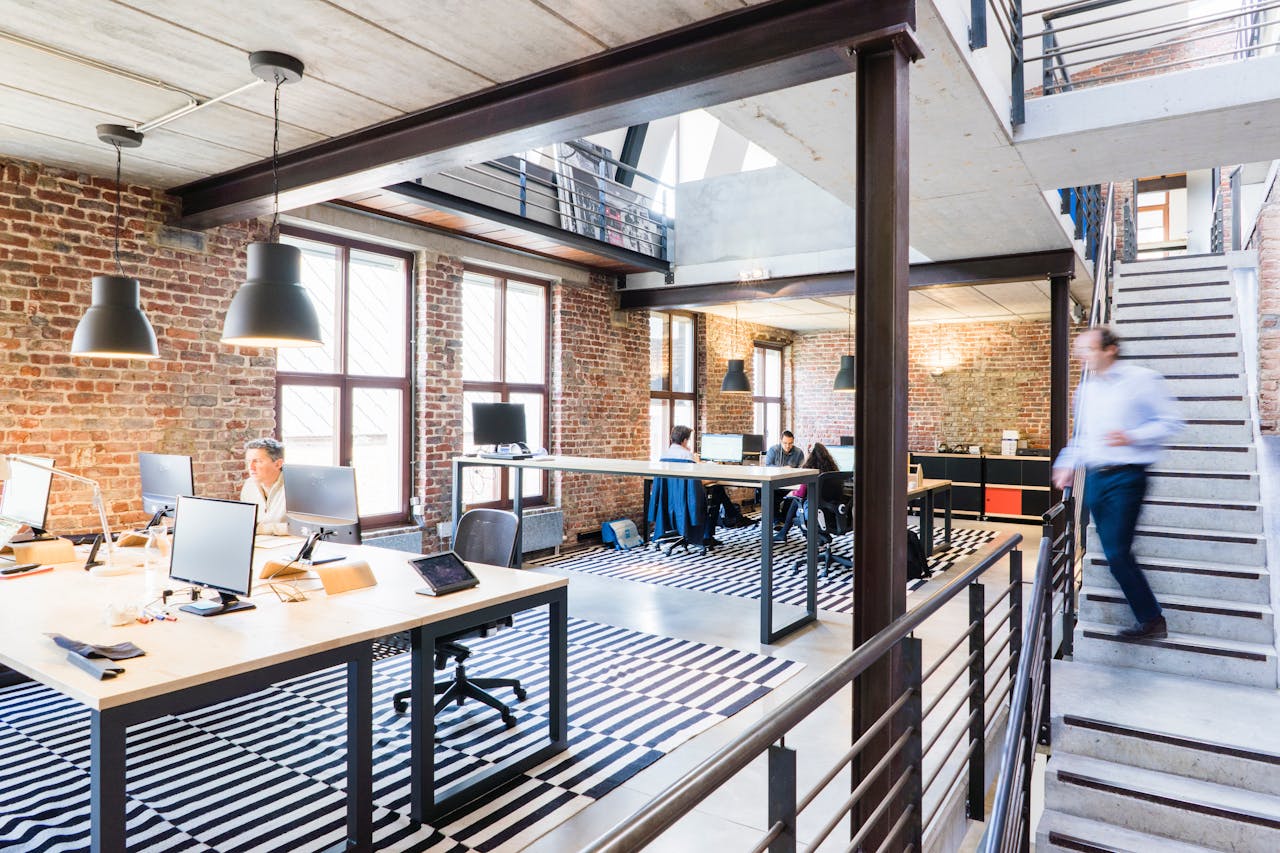
Updated October 2026. Five tips for choosing an office space, plus a quick check on whether a home office could do the job instead. Work-from-home figures from the Census Bureau and home office rules from the IRS, read on October 27, 2026.
To choose an office space, start with location and access, then read the lease terms, test the layout, list your must-haves and check comfort. As of October 2026, also ask whether you need a full office at all: in the Census Bureau’s 2024 survey, 13.3% of U.S. workers, about 22 million people, worked from home. For a small team, a mix of both may cost less.
Jump to: 📍 Location · 🤝 Lease terms · 🏠 Layout and needs · 💡 Comfort · 💲 Home office option · ❓ FAQ
Key takeaways
- Location drives hiring and client visits: check transit, parking and nearby services before rent.
- The lease decides your real cost; ask who pays taxes, insurance, maintenance and utilities.
- 13.3% of U.S. workers worked from home in 2024 (Census ACS), so plan for fewer desks if your team is hybrid.
- The IRS simplified home office deduction is $5 per square foot, up to 300 square feet, for space used regularly and only for business.
A good office helps people do their best work. It supports focus, teamwork and health. Here are five tips to find the right one, in the order most businesses should check them.
1. How do you judge an office’s location and access?
Location affects how easily your team gets to work and how often clients visit. Before you look at floor plans, map the commute for your current staff. Check how close the building is to suppliers, clients and major roads.
A central building near public transit makes it easier to hire and meet face to face. Walk the area at lunch: cafés, restaurants, a bank and a gym nearby make daily life easier for everyone.
- Commute time for most of your team, by car and by transit.
- Parking: spaces included, extra cost or none.
- Safety and lighting on the walk from the car or the stop.
- Access for visitors with disabilities, from the curb to the restroom.
2. What should you check in the lease terms?
Leasing gives you flexibility on location and less repair work than owning. But the fine print decides what you really pay. Read it closely, and have a lawyer review it before you sign.
| Question to ask | Why it matters |
|---|---|
| Who pays taxes, insurance and maintenance? | Some leases add these on top of base rent |
| How long is the term, and can you renew? | Short terms add flexibility; long terms may lower rent |
| Can you sublease or assign? | Helps if your team shrinks or moves |
| How are rent increases set? | A fixed step is easier to budget than an open one |
| Who pays for build-out changes? | Moving walls or adding rooms can be costly |
Look at short-term leases and subleases if you expect to grow. Ask the company managing the office space for lease about its policies and other buildings in its portfolio. They should explain your rights and duties under the lease clearly, so the relationship works for years.
3. How do you assess the layout, and 4. define your needs?
You need a space that fits your team today and can stretch tomorrow. Ask the manager of the property how flexible the space is: can walls move, can you take the suite next door later?
Next, list what your business actually needs. Count desks for the busiest day, not the average one. If your team is hybrid, ask staff which days they plan to come in. Then add the rest:
- Meeting rooms, and how many people each must hold.
- Quiet rooms for calls and focus work.
- Kitchen, break space and restrooms.
- Storage, mail and deliveries.
- Internet speed and backup options.
- A budget that covers rent, utilities, furniture and moving.
Think about culture too. An open plan helps teamwork; private offices help focus. Many teams need some of each. Being able to customize the space so it reflects your brand also builds a sense of ownership.
Thinking of buying a building instead and converting it? Our guide on converting a property into a commercial space covers what to check.
5. Why do comfort and well-being matter?
People are more attracted to their workstations when the space is pleasant. Look for natural light, good air flow and, if possible, a view. Test the heating and cooling on a hot or cold day if you can.
Then furnish it well. Adjustable chairs, standing desks and good monitors lower the risk of strain from long hours at a desk. These costs are small next to rent, and people notice them every day. Plants, a quiet corner and a decent coffee setup round it out without a big budget.
Sell smarter
List your home on the MLS from $99
A flat fee instead of a percentage, and $0 to Beycome at closing. You stay in control of your sale.
Sell your home →Buy smarter
Get up to 2% back at closing
On homes listed by other agents, Beycome credits you up to 2% of the price at closing (1% kept, $1,499 minimum; not on FSBO homes or homes listed by Beycome sellers).
Buy a home →What should you check when you tour an office?
Photos and floor plans only tell part of the story. Bring a short checklist to every visit, and take your own photos so you can compare spaces later.
- Phone signal and internet: run a speed test in the actual suite.
- Noise: listen for traffic, elevators, the restaurant downstairs or the tenant next door.
- Light: note which windows get sun and when.
- Heating and cooling: ask who controls the thermostat and after-hours costs.
- Building hours, security and visitor check-in.
- Shared spaces: lobby, restrooms and conference rooms you can book.
Visit twice, once in the morning rush and once late in the day. Ask current tenants how the landlord handles repairs. A quick chat in the elevator often tells you more than the brochure does.
Could a home office work instead?
For freelancers and small teams, sometimes yes. The Census Bureau’s American Community Survey counted about 22.0 million people working from home in 2024, 13.3% of all workers. Many businesses now pair a small office for meetings with home offices for daily work.
There’s a tax angle. The IRS simplified option lets eligible self-employed people deduct $5 per square foot of home used for business, up to 300 square feet. The space must be used regularly and only for business. Employees can’t take it: the IRS notes that deductions for employee business expenses ended for tax years after 2017. If you do claim it and later sell, read what the home office deduction means at the sale.
If a home office is part of your plan, it changes what you look for in a home: a spare room with a door, good light and a solid internet connection. Our buyer program has no upfront fee and is open to every buyer on homes listed by other agents (the commission credit can’t apply where no buyer-agent commission is offered, like most FSBO homes, or on homes listed by Beycome sellers). Beycome keeps 1% of the price, minimum $1,499, and credits the rest at closing, with lender approval.
Selling a home to move closer to a new office? A flat fee MLS listing from Beycome is $99 (Basic) or $399 (Enhanced), with $0 to Beycome at closing. Over 22,000+ homeowners have used Beycome, saving over $225 million. Planning a move with family? See our list of U.S. suburbs to raise a family.
Frequently asked questions about choosing an office space
How do you choose an office space?
Check location and access first, then the lease terms, the layout, your list of must-haves and comfort. Visit at different times of day before you sign.
How much office space do I need per person?
It depends on your layout and how many people are in on a busy day. Count desks for your peak day and add meeting, quiet and break space.
Is it better to lease or buy an office?
Leasing keeps cash free and lets you move as you grow. Buying can make sense for a stable business that wants to build equity and control the building.
What should I look for in an office lease?
Who pays taxes, insurance and maintenance, the term and renewal options, rent increases, sublease rights and who pays for changes to the space.
Can I deduct a home office?
If you’re self-employed and use the space regularly and only for business, the IRS simplified option allows $5 per square foot, up to 300 square feet. Employees can’t deduct it for tax years after 2017.
How many people work from home in the U.S.?
About 22 million in 2024, or 13.3% of workers, per the Census Bureau’s American Community Survey.
Prices as of October 2026 and subject to change. “$0 at closing” means no Beycome fee at closing; other closing costs still apply. Buyer credit: Beycome keeps 1% of the price (minimum $1,499); lender approval required; not on FSBO homes or homes listed by Beycome sellers. Beycome lists in 17 states and DC and doesn’t lease commercial space. Companies mentioned are examples, not endorsements. General information, not legal or tax advice.
Sources
Disclosure & Disclaimer
Beycome provides real estate services through affiliated licensed brokerages and has a commercial interest in the services and business models discussed on this blog. Content reflects Beycome’s perspective and may promote our services; it should not be treated as independent or neutral reporting.
Articles are provided for general informational and educational purposes only, not as financial, tax, legal, or investment advice or a recommendation for your particular situation. Reading this blog does not create a brokerage, advisory, or other professional relationship.
Information, opinions, pricing, service descriptions, and comparisons reflect the sources and information available when an article was published or last updated and may change. Although we aim for accuracy, we do not guarantee that all content is complete, current, or applicable to your circumstances. Laws, market conditions, and service availability vary by location. Examples and estimated savings are illustrative, depend on stated assumptions, and do not guarantee individual results.
Verify relevant information directly and consult qualified professionals before making decisions. Beycome services are subject to applicable agreements, eligibility requirements, and state-specific terms.

