
Updated October 2026. How to use peat moss in beds, containers and around acid-loving plants, based on extension guidance from the University of Minnesota, the University of Illinois and North Dakota State University, read October 29, 2026.
Use peat moss by mixing it into soil or potting mixes, where it holds water but still lets roots get air, and by using it to make soil more acidic. For blueberries, University of Minnesota Extension (read October 2026) suggests working 4 to 6 inches of sphagnum peat into the top 6 to 8 inches of soil when the pH is between 5.5 and 7.0.
Jump to: 🪜 What it is · 🏠 Garden beds · 📍 Acid-loving plants · 🤝 Alternatives · 💲 Yard and resale · ❓ FAQ
Key takeaways
- Peat moss helps soil hold water and drain at the same time, which is why it’s the base of many potting mixes.
- Blueberries need a soil pH of 4.0 to 5.5, according to University of Minnesota Extension.
- Illinois Extension suggests a half peat, half topsoil mix in a planting hole 2 feet wide and at least 12 inches deep when soil pH is 5.2 to 6.2.
- Peat forms over hundreds or thousands of years, so compost and coconut coir are good substitutes where acidity isn’t the goal.
What is peat moss, and what does it do for soil?
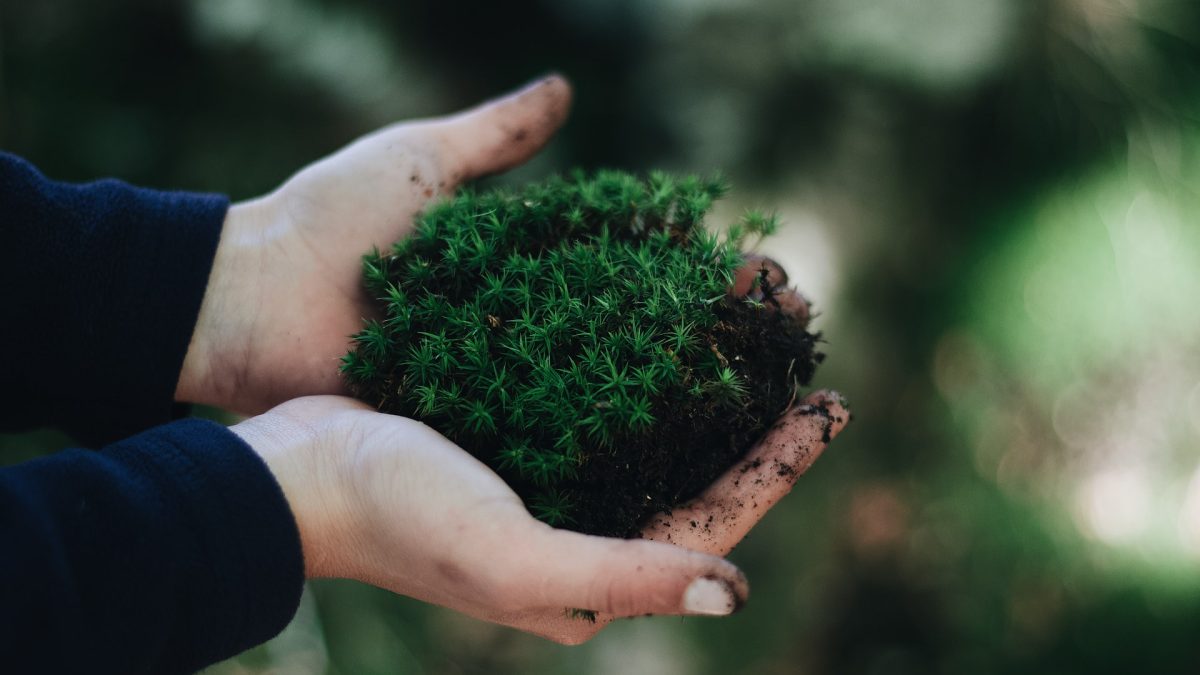
Peat moss is partly decayed moss, mostly sphagnum, that builds up in cool, wet bogs. NDSU Extension explains that the lack of oxygen and the cold slow decay so much that peat piles up over hundreds or even thousands of years. Most garden peat comes from Canada and Russia.
It isn’t the same as the long, stringy sphagnum moss sold for lining baskets. This article on sphagnum moss vs peat moss explains the difference if you’re standing in a garden center aisle wondering which bag to grab.
What peat does well is balance. It soaks up water like a sponge, yet its loose texture keeps air in the root zone. That’s useful in sandy soil that dries out in a day and in heavy clay that stays soggy. It adds very little food for plants, though, so it’s a soil conditioner, not a fertilizer.
How do you use peat moss in garden beds and containers?
Start with a soil test. It tells you the pH and what you actually need your soil to do better, so you don’t fix a problem you don’t have. Many university extension offices offer soil tests, and the report usually comes with amendment rates for your soil type.
- Wet it first. Dry peat sheds water. Soak it in a wheelbarrow or tub and squeeze out a handful. It should feel like a wrung-out sponge.
- Spread it evenly. Work it into the top layer of the bed with a fork or tiller, so it mixes with the soil instead of sitting in a crust on top.
- Don’t use it as mulch. On the surface it dries, blows away and can repel rain. Use bark or shredded leaves on top instead.
- Feed separately. Peat holds nutrients but supplies few. If plants need it, choose to add fertilizer based on your soil test.
- In pots, buy a mix. Bagged potting mixes already blend peat with perlite or bark. Straight peat in a pot stays too wet or too dry.
| Use | How much peat | Source |
|---|---|---|
| Blueberry bed, soil pH 5.5 to 7.0 | 4 to 6 inches mixed into the top 6 to 8 inches | University of Minnesota Extension |
| Single blueberry, soil pH 5.2 to 6.2 | Half acid peat, half topsoil, in a hole 2 feet wide and 12+ inches deep | Illinois Extension |
| Soil pH above 6.2 | Large buried containers (25+ gallons) with drainage holes | Illinois Extension |
| Containers in general | Use a peat-based or peat-free potting mix | NDSU Extension |
Mistakes we see most often
The first is adding peat to soil that’s already acidic. Plants like lilacs and many vegetables prefer soil close to neutral, so more acid can hold them back. The second is using too little to matter. A thin dusting on top of a bed does almost nothing; it has to be mixed in. The third is forgetting water. A peat-rich bed holds moisture well once it’s wet, but if it dries all the way out in a hot week, it can take a long soak to wet it again.
Timing helps too. Mix peat into beds when the soil is workable in spring, or in fall when you’re clearing spent plants. Fall work has a bonus: if you also add sulfur, it has the winter to start acting before you plant. Keep the bag closed between uses, since an open bale dries out fast in the garage.
How does peat moss help acid-loving plants?
Blueberries, azaleas and rhododendrons like acidic soil. University of Minnesota Extension says blueberries need a pH between 4.0 and 5.5. If your soil sits above 5.5, it isn’t acidic enough for them.
You have two tools: sulfur and peat. Sulfur takes several months to change pH, so Minnesota suggests adding it in the fall before spring planting. Peat works right away, which is why it’s handy if you want to plant this season. The catch is that the effect fades as the peat breaks down, so keep testing every year or two.
If your soil is close to neutral or alkaline, peat alone won’t hold the pH down. Illinois Extension suggests large buried containers once soil pH is above 6.2. That’s not a failure. It’s just matching the plant to what your ground can give it.
Sell smarter
List your home on the MLS from $99
A flat fee instead of a percentage, and $0 to Beycome at closing. You stay in control of your sale.
Sell your home →Buy smarter
Get up to 2% back at closing
On homes listed by other agents, Beycome credits you up to 2% of the price at closing (1% kept, $1,499 minimum; not on FSBO homes or homes listed by Beycome sellers).
Buy a home →Is peat moss sustainable, and what can you use instead?
Peat bogs are slow to form and do real work: they’re home to rare plants and animals, filter water and store carbon. Minnesota Extension prefers sulfur for blueberries because the environmental cost of peat mining is a growing concern.
If you’re using peat only to loosen soil or hold water, you have options:
- Compost improves structure and adds nutrients, and it replaces peat as a soil amendment in most beds.
- Coconut coir works in container mixes and holds water well.
- Peat-free potting mixes blend coir, bark, perlite and plant-based compost.
Save peat for the jobs where it’s hard to beat, like acid beds for blueberries. For more garden projects that use what you already have, see 6 DIY garden projects and our gardening tips to make your greenery stand out.
Does a healthier garden help when you sell?
Buyers see the yard before they see the kitchen, and the listing photos show it first. Healthy beds, edged borders and fresh mulch tell a buyer the house was looked after. You don’t need a redesign. A few weekends of soil work in spring can make the front of the house look settled and cared for.
If you’re planning to sell, start beds a season ahead so plants fill in. Our guides on why garden upgrades can increase property value and how to upgrade curb appeal show where effort pays off. When the yard is ready, Beycome lists your home on the major home search sites and the MLS from $99, and you keep control of your price and showings. See how flat fee listing works.
Peat moss questions
How do you use peat moss in a garden?
Soak it, then mix it into the top layer of soil or use a peat-based potting mix in containers. Don’t leave it on the surface as mulch, and feed plants separately.
How much peat moss should I add for blueberries?
University of Minnesota Extension suggests 4 to 6 inches of sphagnum peat mixed into the top 6 to 8 inches of soil, when the starting pH is 5.5 to 7.0.
Does peat moss lower soil pH?
Yes. Acid sphagnum peat makes soil more acidic right away. The effect fades over time, so test pH every year or two. Sulfur works more slowly but lasts.
Can I use peat moss as mulch?
It’s not a good mulch. On the surface it dries out, blows away and can shed rain. Mix it into the soil and use bark or leaves on top.
What can I use instead of peat moss?
Compost works as a soil amendment in most beds, and coconut coir works in container mixes. Peat-free potting mixes are widely sold.
Is peat moss the same as sphagnum moss?
No. Peat moss is decayed moss dug from bogs. Sphagnum moss is the live or dried long strands used to line baskets and dress pots.
Gardening figures come from university extension pages read October 29, 2026; local soils vary, so test before you amend. Beycome Basic is $99 as of October 2026, with $0 at closing (no Beycome fee at closing; other closing costs still apply). Beycome lists in 17 states and DC. General information, not professional advice.
Sources
- University of Minnesota Extension, Growing blueberries in the home garden, read October 29, 2026.
- Illinois Extension, Growing and Caring for Blueberries, read October 29, 2026.
- NDSU Extension, Dakota Gardener: For peat moss sake, read October 29, 2026.
- Beycome, listing package features, October 2026.
Disclosure & Disclaimer
Beycome provides real estate services through affiliated licensed brokerages and has a commercial interest in the services and business models discussed on this blog. Content reflects Beycome’s perspective and may promote our services; it should not be treated as independent or neutral reporting.
Articles are provided for general informational and educational purposes only, not as financial, tax, legal, or investment advice or a recommendation for your particular situation. Reading this blog does not create a brokerage, advisory, or other professional relationship.
Information, opinions, pricing, service descriptions, and comparisons reflect the sources and information available when an article was published or last updated and may change. Although we aim for accuracy, we do not guarantee that all content is complete, current, or applicable to your circumstances. Laws, market conditions, and service availability vary by location. Examples and estimated savings are illustrative, depend on stated assumptions, and do not guarantee individual results.
Verify relevant information directly and consult qualified professionals before making decisions. Beycome services are subject to applicable agreements, eligibility requirements, and state-specific terms.

