
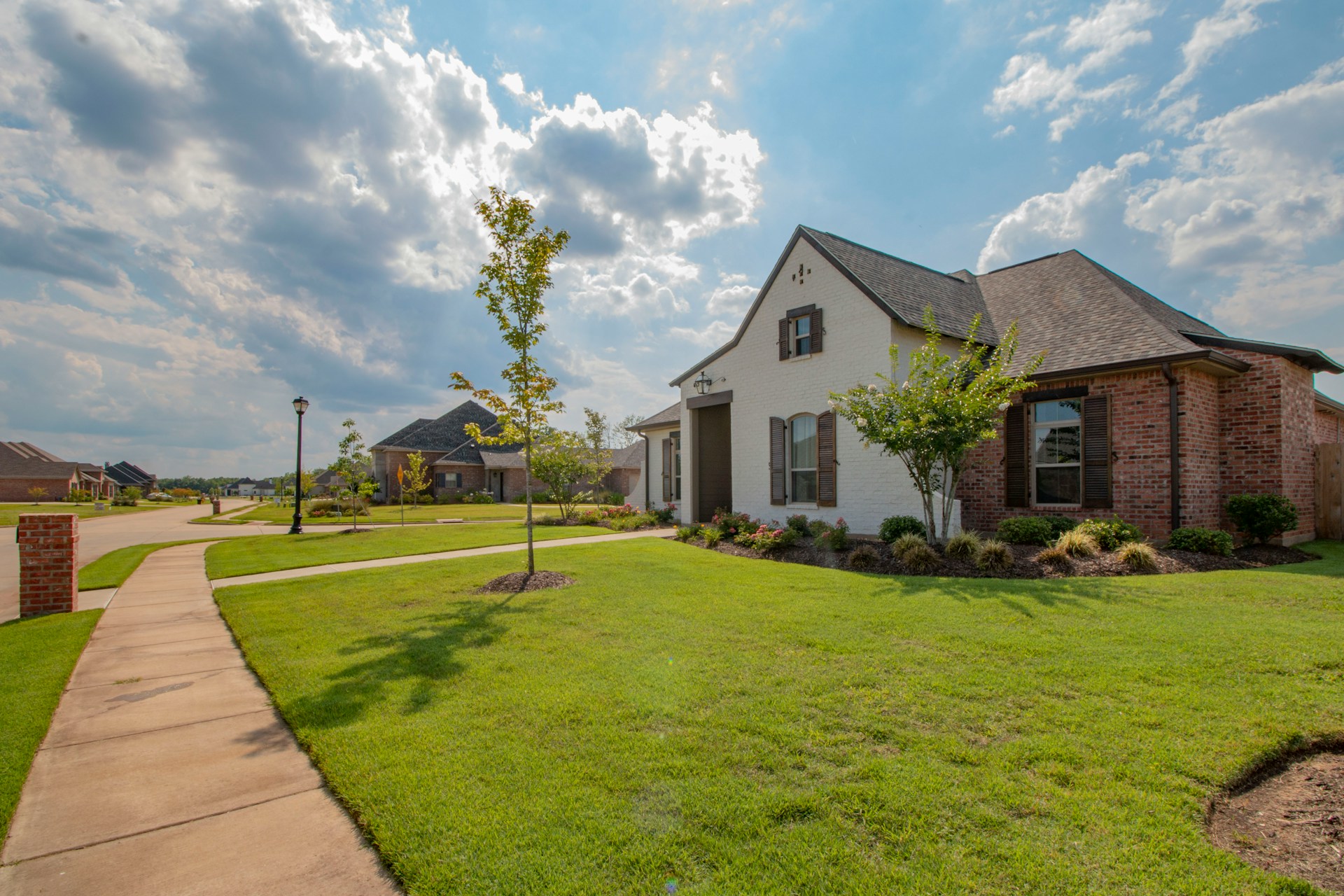
Updated October 2026. New construction vs an existing home, compared on price, supply, size, lot, timing and hidden costs, with Census and NAR data checked on October 28, 2026.
Choose a new build if you want modern systems, low early repairs and can wait months; choose an existing home if location, a bigger lot and a faster move matter more. Prices are close right now: in September 2026 the median new home sold for $400,400 (Census) and the median existing home for $417,500 (NAR).
Jump to: 💲 The numbers · 🏠 New builds · 📍 Existing homes · 🪜 Hidden costs · 🤝 How to buy each · ❓ FAQ
Key takeaways
- September 2026 medians: new homes $400,400 (Census), existing homes $417,500 (NAR).
- Supply differs: 8.4 months of new homes for sale vs 4.8 months of existing homes.
- 41% of new homes built for sale in 2025 sat on lots under 7,000 square feet (Census).
- Inspect a new build too. A builder’s own checks don’t replace an inspector who works for you.
Buying a house is part money, part feeling. Before you pick paint colors or book a truck, there’s a fork in the road: a home nobody has lived in, or one with a story already. Both can be the right call. The answer depends on your budget, your timeline and how much work you’re willing to take on. Let’s put real numbers on it.
How do new and existing homes compare in 2026?
Start with the public data. The table uses the latest monthly figures from the Census Bureau (new homes) and NAR (existing homes), plus Census data on homes built in 2025.
| Measure | New homes | Existing homes |
|---|---|---|
| Median sale price, September 2026 | $400,400 | $417,500 |
| Months of supply, September 2026 | 8.4 | 4.8 |
| Homes for sale, end of September 2026 | 476,000 | 1.60 million |
| Typical size | 2,194 sq ft median (new single-family sold in 2025) | Varies by age and area |
Two things stand out. First, new homes aren’t always pricier at the median right now. Builders have more homes on the shelf, 8.4 months of supply, which can give buyers more room to negotiate on price or extras. Second, existing homes are scarcer. With 4.8 months of supply, a good one in a popular area can still draw several offers.
Medians hide a lot, though. New homes are often farther from city centers, where land is cheaper. If you’d rather buy a lot and build, here’s how to get a loan to buy land. Existing homes cover every age and condition. Compare homes in the area you actually want, not national numbers.
What do you get with a new build?
A clean slate. No squeaky floors, no odd choices from past owners, no 20-year-old water heater. You get current building codes, new systems and, often, better insulation and windows. Early repair bills tend to be low, and many builders include a warranty.
The trade-offs are real. Many perks of a new build come with the higher cost of extras: upgrades in the design center, landscaping, window coverings and fences. If you’re building from scratch, you may wait months to move in, and dates can slip.
Lots are smaller, too. Census data show 41% of new homes built for sale in 2025 had a lot under 7,000 square feet. If you want a big yard for kids or a garden, that matters. Ask about HOA rules and fees early, since many new communities have them.
Buying new to save on energy? Our tips to keep your energy bills down help in any home, new or old.
What do you get with an existing home?
Character and location. Older homes come with mature trees, established streets and details builders don’t make anymore. They’re often closer to jobs, schools and shops. You can see exactly what you’re buying, and you can usually move in within weeks of an accepted offer, not months.
Townhomes are a middle path in many cities: older neighborhoods with newer units. If that’s your style, look at townhomes for sale in Nashville and similar infill projects, which mix a central spot with modern finishes.
Location often drives value over time. As one Forbes Real Estate Council piece argues, existing homes in prime locations can gain the most when the area is in demand. A new house far from everything may not keep pace.
The catch is upkeep. Roofs, heating and cooling, plumbing and wiring age. Budget for them, and read our list of the most common repairs after a home inspection before you make an offer.
Timing often settles it. If your lease ends in three months, a build-to-order home that takes much longer won’t work, but a finished spec home or an existing house might. If you can wait and want to pick every finish, building fits. Write down your move-out date before you tour anything.
Sell smarter
List your home on the MLS from $99
A flat fee instead of a percentage, and $0 to Beycome at closing. You stay in control of your sale.
Sell your home →Buy smarter
Get up to 2% back at closing
On homes listed by other agents, Beycome credits you up to 2% of the price at closing (1% kept, $1,499 minimum; not on FSBO homes or homes listed by Beycome sellers).
Buy a home →What hidden costs come with each?
For a new build, watch the gap between the base price and what you’ll actually pay. Design-center upgrades add up fast. So do things you assume are included: blinds, appliances, a finished yard, a fence, a garage door opener. Property taxes may rise after the first year, once the finished home is assessed. HOA dues and special assessments come on top.
For an existing home, the hidden costs are repairs. A home inspection helps you price them. Ask for the age of the roof, the heating and cooling system and the water heater. Then set money aside each year for upkeep.
Both come with closing costs. Our guide on how much closing costs are shows what to expect. In Florida and Texas, Beycome Title handles title and settlement: $99 in Florida (prepaid at checkout) and a $299 settlement fee in Texas and in Michigan, Ohio, Illinois and Indiana.
How do you buy a new build vs an existing home?
For an existing home, the steps are familiar: get pre-approved, tour homes, make an offer, inspect, appraise, close. Our checklist on whether you’re prepared to buy a house covers each step.
For a new build, the builder’s sales office works for the builder. Before your first visit, ask whether they work with buyers’ agents and whether you need to register your agent at that first visit. Read the purchase contract and the warranty closely, and hire your own inspector, at least before drywall and again before closing.
Either way, our buyer program is open to every buyer on homes listed by other agents, with no upfront fee. Beycome keeps 1% of the price (minimum $1,499) and credits the rest of the buyer-agent commission to you at closing, with lender approval. On a $400,000 home where the seller or builder offers 3%, that’s $8,000 back.
That 3% is only an example: commissions are not set by law or NAR rules and are fully negotiable, sellers choose whether to offer any buyer-agent compensation and how much, and since August 17, 2024 those offers can’t be shown on the MLS. The credit can’t apply where no buyer-agent commission is offered, like most FSBO homes, or on homes listed by Beycome sellers.
Still deciding? Our notes on whether real estate is a wise investment and how to make a new house feel like home can help you picture each path.
New build or existing home: questions
Is it cheaper to buy a new build or an existing home in 2026?
It’s close. In September 2026 the median new home sold for $400,400 (Census) and the median existing home for $417,500 (NAR). Compare homes in your own area.
Do I need a home inspection on a new build?
Yes. City inspections check code minimums. Your own inspector checks the work for you, ideally before drywall and again before closing.
Are new homes on smaller lots?
Often. Census data show 41% of new homes built for sale in 2025 had a lot under 7,000 square feet.
What hidden costs come with a new build?
Design-center upgrades, window coverings, landscaping, fences, HOA dues and higher property taxes once the finished home is assessed.
Can I use a buyer’s agent with a builder?
Usually, but ask the builder first. Some require you to register your agent on your first visit. Do that before you walk in.
Do existing homes appreciate more than new builds?
Location matters more than age. Homes in areas in high demand tend to gain the most, whether new or old.
New home prices, supply and inventory from the Census Bureau’s New Residential Sales release for September 2026. Existing home figures from NAR’s September 2026 existing-home sales release. Size and lot data from the Census Characteristics of New Housing highlights for 2025. All read October 28, 2026. General information, not legal or financial advice.
Buyer credit: no upfront fee; Beycome keeps 1% of the price (minimum $1,499) and credits the rest of any buyer-agent commission offered, at closing, subject to lender approval; not available on most FSBO homes or homes listed by Beycome sellers. Beycome Title: Florida, Texas, Michigan, Ohio, Illinois and Indiana.
Sources
- U.S. Census Bureau, New Residential Sales, September 2026, read October 28, 2026.
- NAR, Existing-Home Sales Increased 1.5% in September, read October 28, 2026.
- U.S. Census Bureau, Characteristics of New Housing: highlights, read October 28, 2026.
- Beycome, buyer program terms, October 2026.
Disclosure & Disclaimer
Beycome provides real estate services through affiliated licensed brokerages and has a commercial interest in the services and business models discussed on this blog. Content reflects Beycome’s perspective and may promote our services; it should not be treated as independent or neutral reporting.
Articles are provided for general informational and educational purposes only, not as financial, tax, legal, or investment advice or a recommendation for your particular situation. Reading this blog does not create a brokerage, advisory, or other professional relationship.
Information, opinions, pricing, service descriptions, and comparisons reflect the sources and information available when an article was published or last updated and may change. Although we aim for accuracy, we do not guarantee that all content is complete, current, or applicable to your circumstances. Laws, market conditions, and service availability vary by location. Examples and estimated savings are illustrative, depend on stated assumptions, and do not guarantee individual results.
Verify relevant information directly and consult qualified professionals before making decisions. Beycome services are subject to applicable agreements, eligibility requirements, and state-specific terms.

