

Renovating a home feels exciting and full of promise. Many owners believe upgrades automatically raise resale value. Surprisingly, that belief often proves false. Renovation mistakes that can hurt your home’s resale value usually happen before resale planning even begins. Buyers judge homes through logic, not emotion. Personal comfort rarely matches buyer priorities. Buyers focus on usability, condition, and future costs. Importantly, small details shape first impressions. Poor renovation choices can reduce offers and delay sales. Understanding common mistakes helps protect long-term value.
Renovation Mistakes That Can Hurt Your Home’s Resale Value the Most
Some renovations damage value more than others. These mistakes often cost the most money. Clearly, price does not equal return. Buyers care less about cost and more about usefulness.High-end upgrades can still disappoint buyers. Features must fit common expectations. Notably, resale value depends on broad appeal. Renovations should support market demand and protect your home, not personal reward.
Over-Personalized Design Choices Buyers Will Reject
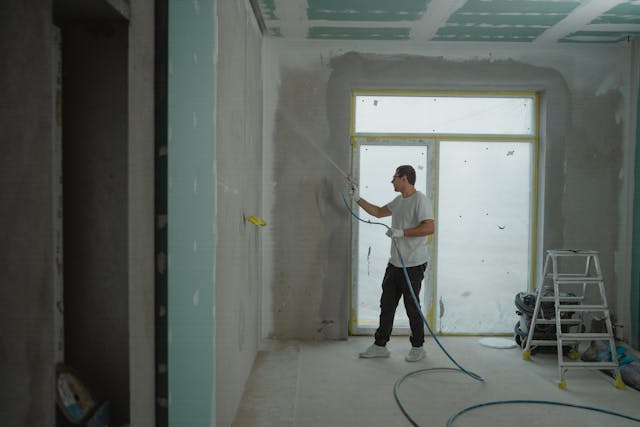
Personal design choices feel meaningful to owners. Buyers rarely share that emotional connection. Predictably, bold colors divide opinions. What feels expressive to one owner feels limiting to another buyer.Custom themes restrict imagination. Buyers want blank slates. For that reason, neutral tones outperform strong statements. Soft colors and simple finishes allow buyers to picture their own future.
Forgetting Storage Needs During Updates
When homeowners focus on aesthetics, forgetting storage needs during updates is a common pitfall. Adequate storage solutions for renovations are crucial for maintaining functionality. Without proper storage, even the most beautifully updated home can feel cramped and unwelcoming. Buyers prioritize homes that offer sufficient storage, as it directly impacts their daily lives. When planning renovations, it’s essential to incorporate built-in storage solutions that blend seamlessly with the design. This balance ensures that the home remains both stylish and practical, ultimately boosting its resale value. By prioritizing storage, homeowners ensure that their renovations meet both immediate needs and future buyer expectations.
Cheap Materials That Signal Poor Quality
Low-cost materials often reveal themselves quickly and hurt your home’s resale value. Buyers notice scratches, gaps, and weak finishes. Unquestionably, quality signals maintenance habits. Poor materials suggest hidden issues behind walls.
Buyers factor repairs into their offers. Cheap upgrades lower confidence. Consequently, value drops before negotiations begin. Durable and strong materials feel safer and justify stronger pricing.
Removing Bedrooms or Functional Spaces
Bedrooms strongly influence listing appeal. Fewer bedrooms mean fewer interested buyers. Statistically, bedroom count affects appraisal value. Removing one can erase renovation gains instantly.
Functional rooms matter just as much. Buyers expect dining, storage, or office space. Practically speaking, lost function limits usability. Flexible layouts attract wider interest and better offers.
DIY Projects That Look Unprofessional
DIY projects appeal to budget-conscious owners. Buyers often view them with suspicion. Understandably, visible mistakes raise red flags. Crooked lines and uneven finishes suggest rushed work. Unpermitted changes cause deeper concern. Buyers fear fines or repairs. As a consequence, deals stall or collapse. Professional results inspire trust and smoother transactions.
Ignoring Neighborhood Standards and Price Ceilings
Every neighborhood has a value range. Over-improving rarely pushes beyond it. Realistically, buyers compare nearby listings first. A standout home still competes with its surroundings.
Luxury features can feel misplaced. Buyers hesitate to overpay locally. In that situation, upgrades fail to recover costs. Matching neighborhood standards protects investment value.
Trend-Driven Renovations That Age Poorly
Trends change faster than renovation cycles. Popular designs lose appeal quickly. Inevitably, yesterday’s trend becomes today’s problem. Buyers often plan immediate replacements.
Highly styled kitchens and baths age fastest. Trends divide buyer opinions. Meanwhile, classic choices remain attractive longer. Timeless design reduces future objections.
Poor Renovation Planning That Hurts Flow
Flow affects how a home feels instantly. Awkward layouts disrupt movement. Instantly, buyers sense discomfort. Poor planning overshadows expensive finishes.
Lighting and storage support livability. Missing either weakens the appeal. In everyday terms, functionality sells faster than style. Thoughtful planning improves comfort and value.
Skipping Energy Efficiency and Smart Upgrades
Energy costs matter more than ever. Buyers review monthly expenses closely. Financially, inefficient homes feel risky. Old systems reduce confidence during showings.
Efficiency upgrades often impress buyers. Insulation and windows deliver clear benefits. At the same time, outdated systems raise concerns. Practical efficiency supports resale strength.
Overlooking Permits and Code Compliance
Permits protect buyers and sellers. Missing permits cause serious delays. Legally, unapproved work complicates closing. Buyers may walk away entirely.
Code issues raise safety fears. Buyers want reassurance. From a legal standpoint, compliance builds trust. Proper documentation keeps deals moving forward.
Choosing Layout Changes That Limit Flexibility
Permanent layout changes reduce options. Buyers value adaptability. Flexibility-wise, multi-use spaces attract more interest. Fixed designs restrict future needs.
Walls, doors, and built-ins affect function. Poor choices limit rearrangement. In practical use, flexible spaces hold value longer. Adaptability appeals across buyer types.
Neglecting Curb Appeal During Renovations
Exterior appearance shapes first impressions. Buyers decide quickly. Visually, neglected exteriors reduce interest. Interior upgrades cannot offset poor curb appeal.
Landscaping and entryways matter greatly. Small fixes have a strong impact. Aesthetically, clean exteriors suggest proper care. Curb appeal supports higher perceived value.
Ignoring Long-Term Maintenance During Renovations
Ignoring long-term maintenance during renovations often creates hidden resale problems. Buyers think beyond appearance and focus on upkeep. Materials that require frequent care raise concerns quickly. Paint that stains easily or surfaces that scratch fast feel inconvenient. As a result, buyers may expect higher ownership costs.
Renovations should reduce future effort, not increase it. Low-maintenance finishes support everyday living. Flooring, countertops, and exterior materials matter most here. From a buyer’s perspective, durability equals peace of mind. Homes that promise easier care feel more appealing. So, before deciding on renovation, assess the situation and find out what needs immediate attention.
When maintenance needs are unclear, buyers hesitate. They may lower offers to offset future work. In that case, renovation value drops quietly. Smart updates balance style with long-term ease. That balance helps protect resale value and buyer confidence.
Summary: Keep Your Home In The Best Shape Possible
Renovations shape resale outcomes more than many expect. Poor choices quietly reduce buyer interest. Renovation mistakes that can hurt your home’s resale value often stem from emotional decisions. Owners renovate for themselves instead of future buyers.Smart renovations focus on function, quality, and appeal. In conclusion, planning with resale in mind protects investment. Buyers reward homes that feel practical, balanced, and move-in ready.