
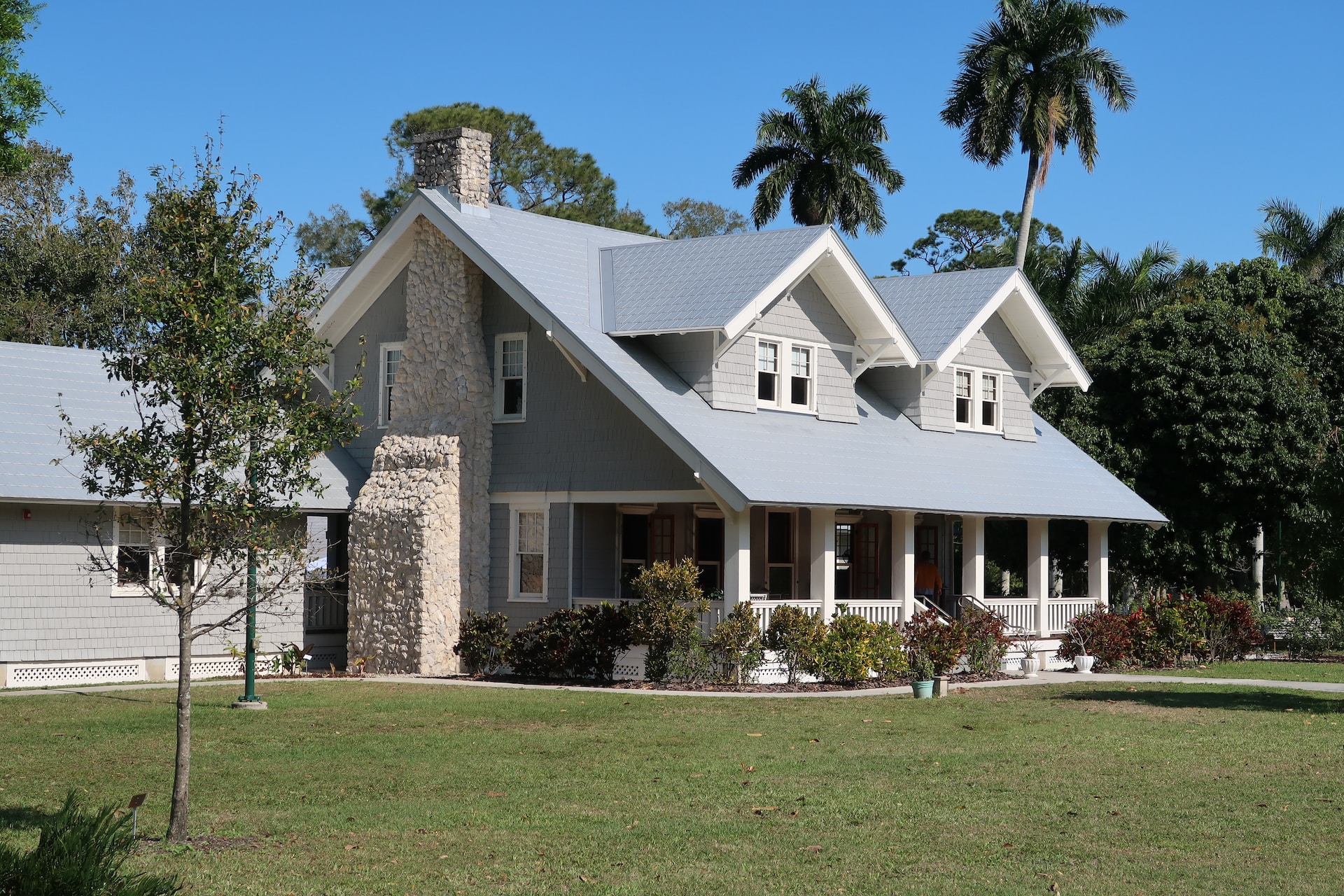
Updated October 2026. Six ways to care for your home that buyers notice, ordered from cheapest to biggest, with the receipts rule that can lower your tax later. NAR, EPA and IRS pages were read on October 28, 2026.
The fastest way to boost your home’s market value is to start small: fix what’s broken, clean up the front, then stage and photograph it well. As of October 2026, 83% of buyers’ agents said staging helped buyers picture a home as theirs (NAR, 2025). Bigger projects like kitchens come later, and only if the numbers work.
Jump to: 🏠 Repairs first · 📸 Curb appeal · 🤝 Staging · 🪜 Outdoor space · 💲 Receipts · ❓ FAQ
Key takeaways
- NAR’s 2025 Profile of Home Staging: 83% of buyers’ agents said staging made it easier to picture the home, and 26% said it changed most buyers’ view of a home.
- The rooms staged most were the living room (91%), primary bedroom (83%) and dining room (69%).
- Paid work that disturbs paint in a pre-1978 home must be done by an EPA-certified firm.
- Improvements, like a deck, fence or new heating system, add to your tax basis. Keep the receipts.
“Showing your home some love” sounds soft, but it’s really a list of chores with a payoff. Some of them cost a weekend. Some cost a loan. Here’s how we’d order them if you plan to sell in the next year or two.
Why should repairs come before upgrades?
Because buyers’ inspectors find them anyway. A leaky roof, a sticky door or a cracked walkway tells a buyer the house hasn’t been looked after. That doubt costs more than the fix.
- Walk the house with a notepad. Write down anything that drips, sticks, cracks or flickers.
- Fix water problems first. Roofs, gutters and plumbing leaks cause the worst damage.
- Patch holes, touch up paint and replace burnt-out bulbs.
- Get a roof check if it’s older. If you’re near the Shenandoah Valley, a local company offering roofing in Virginia can look at leaks or missing shingles before a buyer’s inspector does.
Our guide on why roof inspections matter explains what inspectors look for up top.
Older home? Mind the paint
About three-quarters of U.S. homes built before 1978 still have some lead-based paint, per the EPA. If you pay anyone to sand, cut or scrape painted surfaces in a pre-1978 home, the firm must be EPA-certified and use lead-safe practices (EPA Renovation, Repair and Painting Program). The rule generally doesn’t apply to owners doing their own work, but the dust is just as risky.
What curb appeal fixes cost the least?
The front of the house is the first photo on every listing site. It’s worth an afternoon.
- Trim hedges back below the windows and edge the lawn.
- Paint or deep-clean the front door, and replace a tired doormat.
- Power-wash the driveway, walkway and siding.
- Add a few potted plants by the entry. Two big ones beat ten small ones.
- Make sure the house number is easy to read from the street.
None of this needs a contractor. A Saturday and a trip to the garden center usually covers it.
Does staging really change how buyers see a home?
The data says it helps. In NAR’s 2025 Profile of Home Staging, 60% of buyers’ agents said staging affected some buyers, and 26% said it affected most buyers’ view of the home. And 83% said it made it easier for a buyer to picture the place as a future home (NAR, Profile of Home Staging).
Agents staged the living room most often (91%), then the primary bedroom (83%) and the dining room (69%). Start with those. You don’t need rented furniture. Clear the counters, take down most family photos, open the blinds and keep one or two pieces of art per wall.
Kitchens and bathrooms: light touches first
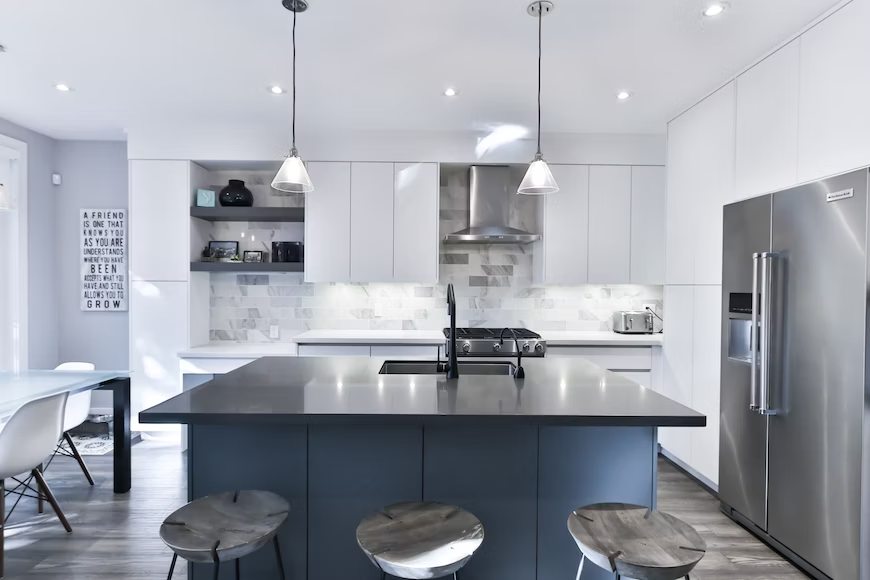
A full kitchen remodel is a big bet. Before you go there, try paint on the cabinets, new hardware, a modern faucet and better lighting. In bathrooms, re-caulk the tub, swap old towel bars and fixtures, and paint the walls a light neutral color. These are cheap, quick and show up well in photos.
Not ready to stage in person? Virtual staging can show empty rooms furnished in your photos. Label staged photos clearly so buyers aren’t surprised.
Is an outdoor living space worth adding?
Often, yes, if you’ll use it before you sell. A clean patio with a table, chairs and soft lighting gives buyers another room to picture. Pick comfortable outdoor furniture that fits the space, not the biggest set you can find. A small patio with two chairs looks better than a crowded one.
A new deck or patio is a bigger project. It also counts as an improvement for tax purposes, which matters more than most people think. If you have a pool, our guide to refreshing your pool before selling covers the quick wins.
Sell smarter
List your home on the MLS from $99
A flat fee instead of a percentage, and $0 to Beycome at closing. You stay in control of your sale.
Sell your home →Buy smarter
Get up to 2% back at closing
On homes listed by other agents, Beycome credits you up to 2% of the price at closing (1% kept, $1,499 minimum; not on FSBO homes or homes listed by Beycome sellers).
Buy a home →Storage and energy use
Buyers open closets. Thin them out by half, add simple shelving in the garage, and label bins. For energy use, LED bulbs, weatherstripping and a programmable thermostat are low-cost, and buyers notice lower utility bills if you share them. Bigger items like new windows or added insulation are worth getting quotes for, then deciding against your timeline.
Why should you keep receipts for every improvement?
Because improvements can lower your tax when you sell. The IRS says improvements are work that adds to your home’s value, prolongs its useful life or adapts it to new uses. You add their cost to your basis, which lowers your taxable gain (IRS Publication 523). Its examples include a deck, patio, fence, landscaping, driveway, pool and new heating systems.
Routine repairs, like fixing a leak or repainting a room, generally don’t count on their own. Most sellers also qualify to exclude up to $250,000 of gain, or $500,000 for married couples filing jointly. Still, if you’ve owned for decades, those receipts can matter. Keep them in one folder, with dates and amounts.
How do these fixes show up when you sell?
Mostly in your photos and your first weekend of showings. That’s when buyers decide whether to come back. Before you list, run your numbers with our home value calculator, and read up on pricing your home wisely so the work shows up in the price.
When you’re ready, Beycome lists your home on the MLS for a flat fee, with the maximum photos the MLS allows. Basic is $99, Enhanced $399 with a photo shoot, and Concierge $1,399, all with $0 at closing. A pro photo add-on for Basic is $189. Concierge experts guide the sale while you keep every decision. See the flat fee MLS packages.
Curious how your home compares with other styles on the market? Read Exploring the Diversity of Homes in the US Market, or for bigger projects, see how home extensions can affect property value.
Frequently asked questions about boosting your home’s market value
What adds the most value to a home for the money?
Repairs, cleaning, curb appeal and staging cost the least and show up in every listing photo. Start there before any remodel.
Does staging help a home sell?
NAR’s 2025 survey found 83% of buyers’ agents said staging made it easier for buyers to picture the home as theirs.
Which rooms should I stage first?
The living room, primary bedroom and dining room. Those were the most staged rooms in NAR’s 2025 report, at 91%, 83% and 69%.
Do home improvements lower my taxes when I sell?
They can. Improvements add to your basis, which lowers your gain, per IRS Publication 523. Routine repairs generally don’t count.
Do I need a certified contractor to repaint an old house?
If you pay someone to disturb paint in a pre-1978 home, yes: the firm must be EPA-certified. Owners working on their own home are generally exempt, but should still work lead-safe.
Should I remodel my kitchen before selling?
Try cabinet paint, hardware, a new faucet and better lighting first. A full remodel is a big cost to recover, so get quotes and compare them with recent sales.
Staging figures: NAR 2025 Profile of Home Staging (survey of REALTORS, February 2025). Lead paint: EPA Renovation, Repair and Painting Program. Tax basis: IRS Publication 523. All read October 28, 2026.
Beycome prices as of October 2026. “$0 at closing” means no Beycome fee at closing; other closing costs and taxes still apply. * Cancel free: no cancellation fee except Georgia MLS’s $25; listings under contract can’t be canceled; no refund once listed. Concierge is $1,399 and Basic is $129 in California and Illinois. General information, not tax advice.
Sources
- NAR, 2025 Profile of Home Staging, read October 28, 2026.
- EPA, Lead Renovation, Repair and Painting Program, read October 28, 2026.
- IRS, Publication 523, Selling Your Home, read October 28, 2026.
- Beycome, listing package features, October 2026.
Disclosure & Disclaimer
Beycome provides real estate services through affiliated licensed brokerages and has a commercial interest in the services and business models discussed on this blog. Content reflects Beycome’s perspective and may promote our services; it should not be treated as independent or neutral reporting.
Articles are provided for general informational and educational purposes only, not as financial, tax, legal, or investment advice or a recommendation for your particular situation. Reading this blog does not create a brokerage, advisory, or other professional relationship.
Information, opinions, pricing, service descriptions, and comparisons reflect the sources and information available when an article was published or last updated and may change. Although we aim for accuracy, we do not guarantee that all content is complete, current, or applicable to your circumstances. Laws, market conditions, and service availability vary by location. Examples and estimated savings are illustrative, depend on stated assumptions, and do not guarantee individual results.
Verify relevant information directly and consult qualified professionals before making decisions. Beycome services are subject to applicable agreements, eligibility requirements, and state-specific terms.
