
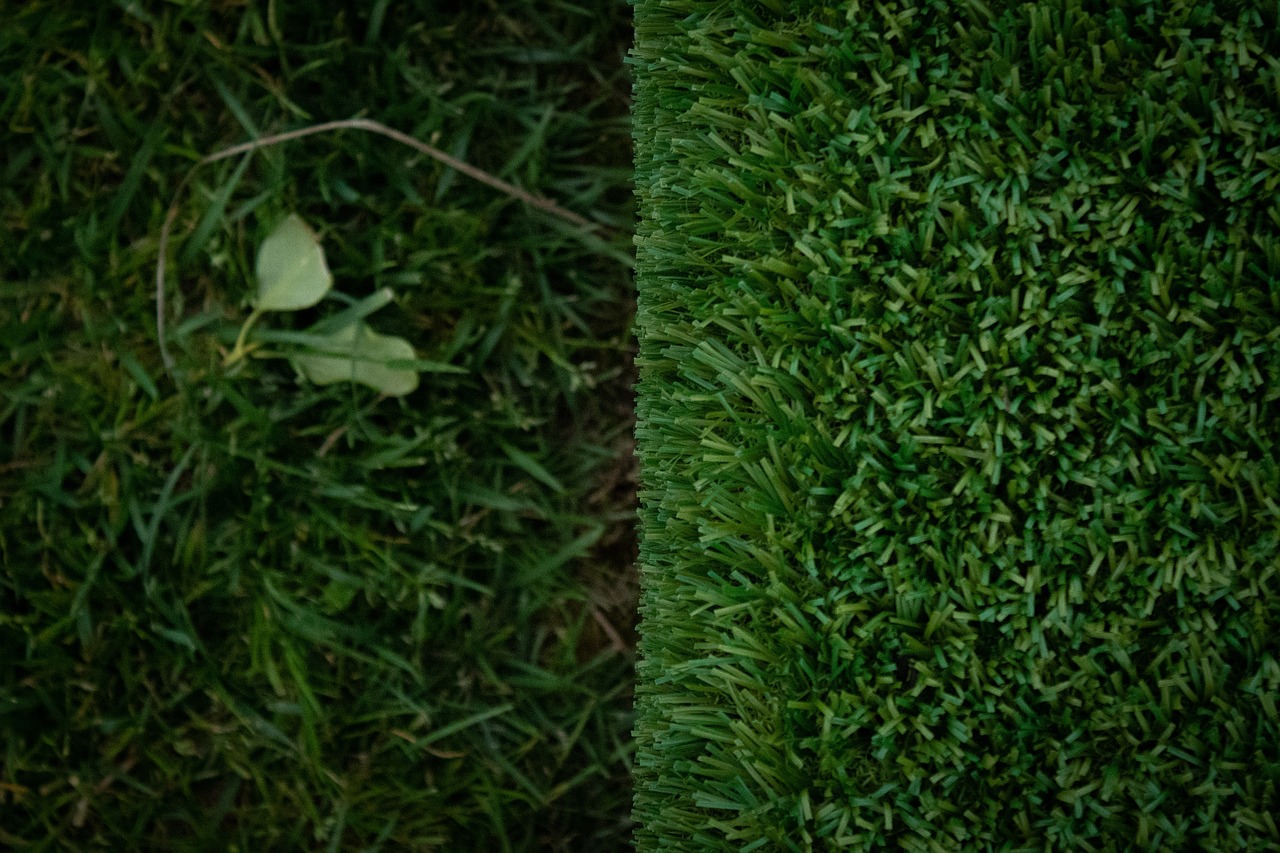
Updated October 2026. A checklist for buying artificial grass online, with water-use figures from EPA WaterSense and the federal research on tire crumb infill from the EPA, read October 30, 2026.
Before you buy artificial grass online, check five things: the turf type, the spec sheet (pile height, face weight, backing), how many rolls and seams your yard needs, the infill, and the warranty and return terms. Order samples first. As of October 2026, EPA WaterSense says U.S. homes use nearly 8 billion gallons of water a day outdoors, mostly on irrigation, which is why many owners make the switch.
Jump to: 🏠 Turf types · 📸 Spec sheet · 🪜 Measuring · ⏱️ Infill · 💲 Ordering · ❓ FAQ
Key takeaways
- Residential outdoor water use is nearly 8 billion gallons a day in the U.S., mainly for irrigation (EPA WaterSense).
- Pick the turf type first: general use, pet turf with a draining backing, or sports turf for heavy play.
- Most residential turf ships in 15-foot-wide rolls, so plan the seams before you order, and add 5% to 10% for cuts.
- Federal agencies studied tire crumb infill starting in 2016; read the EPA’s research page if you’re choosing infill for kids’ play areas.
Switching to artificial grass can mean no mowing, no watering and a green yard all year. Buying it online saves money, but you can’t touch the product, and turf is heavy and costly to send back. So do the homework before you click. Here’s what we’d check.
Which type of artificial turf do you need?
There are three broad types, and they’re built differently.
| Type | Best for | What to look for |
|---|---|---|
| General residential | Front yards, side yards, low traffic | Natural color mix with brown thatch, soft blades |
| Pet turf | Dog runs, yards with pets | Fully permeable or well-perforated backing, shorter pile, antimicrobial treatment |
| Sports turf | Putting greens, play areas, heavy foot traffic | Dense, short pile; tough fibers; padding for play zones |
Pet owners should pay the most attention here. Urine has to drain down and away, or the yard smells by July. A shorter pile also makes cleanup easier. If your yard has one shady corner and one sunny strip, you may want two products, not one.
Not sure you want to lose the real lawn yet? Our tips on how to improve your lawn for a better market value and these gardening tips to make your greenery stand out might change your mind, or help you mix both.
How do you read an artificial grass spec sheet?
Every decent seller lists specs. If a listing has only photos and a price, skip it.
- Pile height. The blade length. Shorter (about 1 to 1.25 inches) is tougher and easier to clean; longer (1.5 to 2 inches) looks lusher.
- Face weight. Ounces of fiber per square yard. Higher usually means denser and longer-lasting, at a higher price.
- Fiber. Polyethylene feels soft; nylon is stiffer and very durable; polypropylene is cheaper and wears faster.
- Backing and drainage. Perforated backing drains through holes; fully permeable backing drains across the whole surface.
- UV protection. Look for UV-stabilized fibers if the yard gets strong sun.
- Warranty. Read what it covers: fading, fiber loss, backing failure, and whether it requires pro installation.
Then order samples from two or three sellers. Put them in your yard for a week. Walk on them barefoot at 3 p.m. on a sunny day, hose them down, let the dog use one. A sample costs a few dollars. The wrong 600 square feet costs a lot more.
How much artificial grass should you order?
Measure twice, with a long tape, not a phone app. Sketch the yard on graph paper and mark the longest straight run.
- Measure length and width of each area at its widest points.
- Check the roll widths the seller offers. Many residential rolls are 15 feet wide; some come in 12 feet.
- Plan where the seams fall. Keep them out of main walkways and run all pieces in the same blade direction.
- Add 5% to 10% for trimming around curves, beds and trees.
- Count the extras: seam tape, glue, turf nails or staples, weed barrier and base material.
Many sellers offer a calculator. Use it, then check its math against your sketch. Too little turf means a second shipment and possibly a slightly different dye lot that won’t match.
The base matters as much as the turf. Most installs remove 3 to 4 inches of soil, then lay and compact crushed rock or decomposed granite. Drainage problems under the turf won’t fix themselves. If you have a soggy spot or a leaking sprinkler line, deal with it first; our plumbing installation tips help with the pipes.
Which infill should you choose?
Infill sits between the blades. It keeps them upright, adds weight and protects the backing from sun.
- Silica sand. Cheap and common. Can hold odors in pet areas.
- Coated sand. Rounded, coated grains that resist bacteria; popular with pet owners.
- Zeolite. A mineral that traps ammonia smells, often mixed with sand in dog runs.
- Organic infill. Cork or coconut fiber; stays cooler but can float or break down.
- Crumb rubber. Recycled tires, mostly on sports fields.
Crumb rubber has drawn public questions about chemical exposure. The EPA, CDC and the Consumer Product Safety Commission launched a joint research effort on tire crumb in playing fields in February 2016, and the EPA has published the final reports. The agency notes the reports are not a risk assessment. If kids will play on it daily, read the EPA page and decide with that in mind. Many homeowners simply choose sand or coated sand for yards.
Turf also gets hot in direct sun. A shade tree, a sail or a quick hose-down before play helps on summer afternoons.
Sell smarter
List your home on the MLS from $99
A flat fee instead of a percentage, and $0 to Beycome at closing. You stay in control of your sale.
Sell your home →Buy smarter
Get up to 2% back at closing
On homes listed by other agents, Beycome credits you up to 2% of the price at closing (1% kept, $1,499 minimum; not on FSBO homes or homes listed by Beycome sellers).
Buy a home →What should you check before you click “buy”?
- Shipping: rolls are heavy, so check freight costs, curbside delivery and whether you need a liftgate.
- Returns: many sellers don’t take back cut turf, and restocking fees on rolls can be steep.
- Seller details: a real address, phone number and a written warranty you can download before buying.
- HOA and city rules: some HOAs set rules for front-yard turf color, height or approval. Ask before you order.
- Reviews with photos from buyers a year or two after install, not just on delivery day.
Compare at least three sellers before you decide to buy here or there. The cheapest roll often ends up the priciest once freight and seams are added.
Already have old turf to replace? Here are ways to repurpose old artificial grass instead of sending it to the dump.
Does artificial grass help when you sell?
Buyers are split. Many like a yard that stays green with no mowing, especially in dry areas and in homes with dogs. Others want real grass and will picture the removal cost. A tidy, well-installed lawn photographs well either way; patchy turf with visible seams does not. Keep the receipt, the warranty and the install date for the listing. Then follow our steps for staging your outdoor space for a sale.
When you sell, a Beycome flat fee MLS listing puts your home on the major home search sites and the MLS from $99, with $0 due to Beycome at closing. It’s your home and you call the shots. Beycome has helped 22,000+ homeowners save over $225 million (Beycome internal data, October 2026).
Buying artificial grass online: questions
Is it safe to buy artificial grass online?
Yes, if you order samples first, read the spec sheet and warranty, and check shipping and return terms before you pay.
How much extra artificial grass should I order?
Add about 5% to 10% for cuts and curves, and plan seams around the roll width, often 15 feet.
What is the best artificial grass for dogs?
Look for pet turf with a fully permeable or well-perforated backing, a shorter pile and an odor-fighting infill such as coated sand or zeolite.
What does face weight mean on artificial grass?
Face weight is the ounces of fiber per square yard. Higher face weight usually means denser, longer-lasting turf.
Does artificial grass save water?
It removes the need to irrigate a lawn. EPA WaterSense says homes in the U.S. use nearly 8 billion gallons of water a day outdoors, mostly for irrigation.
Is crumb rubber infill safe?
Federal agencies studied tire crumb from 2016 and the EPA published final reports, which it says are not a risk assessment. Many homeowners pick sand-based infill instead.
General product-buying information. Follow the manufacturer’s installation guide and check HOA and local rules before installing turf.
EPA WaterSense and EPA tire crumb research pages as read October 30, 2026. Spec ranges and ordering allowances are rough guides.
Prices as of November 2026: Basic $99, Enhanced $399, Concierge $1,399; Basic is $129 in California and Illinois. “$0 at closing” means no Beycome fee at closing; other closing costs, taxes and title fees still apply. Beycome lists in 17 states and DC.
22,000+ homeowners and over $225 million saved: Beycome internal data, October 2026.
Sources
- EPA WaterSense, Outdoors, read October 30, 2026.
- EPA, Federal Research on Recycled Tire Crumb Used on Playing Fields and Playgrounds, read October 30, 2026.
- Beycome, listing package features, October 2026.
Disclosure & Disclaimer
Beycome provides real estate services through affiliated licensed brokerages and has a commercial interest in the services and business models discussed on this blog. Content reflects Beycome’s perspective and may promote our services; it should not be treated as independent or neutral reporting.
Articles are provided for general informational and educational purposes only, not as financial, tax, legal, or investment advice or a recommendation for your particular situation. Reading this blog does not create a brokerage, advisory, or other professional relationship.
Information, opinions, pricing, service descriptions, and comparisons reflect the sources and information available when an article was published or last updated and may change. Although we aim for accuracy, we do not guarantee that all content is complete, current, or applicable to your circumstances. Laws, market conditions, and service availability vary by location. Examples and estimated savings are illustrative, depend on stated assumptions, and do not guarantee individual results.
Verify relevant information directly and consult qualified professionals before making decisions. Beycome services are subject to applicable agreements, eligibility requirements, and state-specific terms.

