
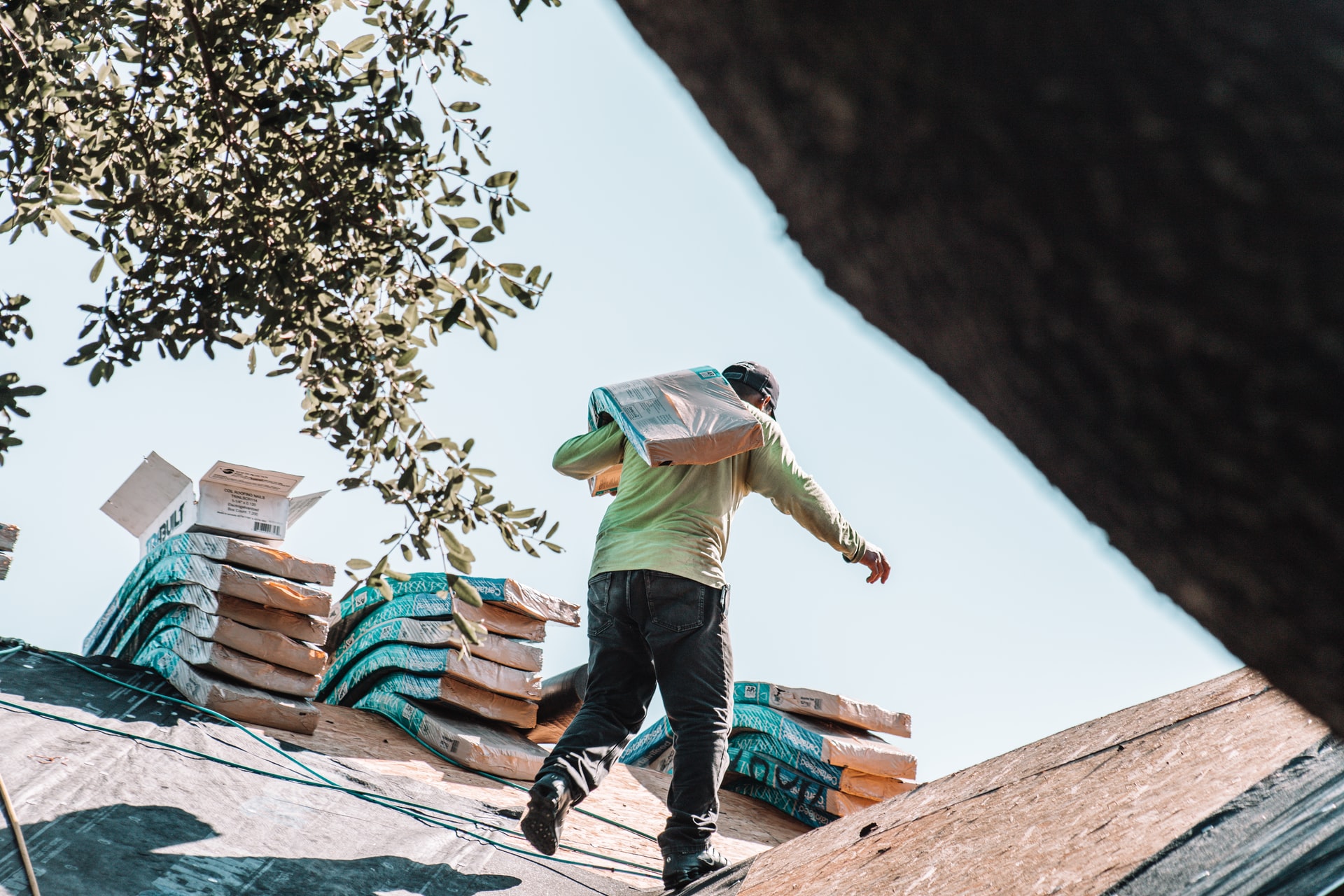
Updated October 2026. Six roof habits that prevent leaks and protect resale value, with NAR’s 2025 data on roofing, hurricane season dates and Florida’s roof-age insurance rules. Sources were read on October 28, 2026.
Most roofs fail early from neglect, not age: clogged gutters, missing shingles, a hot attic and branches rubbing the surface. Look at your roof twice a year and after every big storm, keep it clean, fix small damage fast, vent the attic and trim trees. It pays at sale time. In NAR’s 2025 Remodeling Impact Report, 37% of Realtors told sellers to install a new roof before listing (read October 2026).
Jump to: ⏱️ When to replace · 🏠 Keep it clean · 📍 Inspections · 🪜 Attic and trees · 💲 Florida insurance · ❓ FAQ
Key takeaways
- New roofing earned a top Joy Score of 10, and 43% of Realtors saw buyer demand for it rise (NAR and NARI, 2025).
- Florida insurers can’t refuse or non-renew a policy solely because a roof is under 15 years old (Fla. Stat. 627.7011).
- For a roof 15 years or older, a Florida insurer must allow an inspection before requiring a replacement.
- Atlantic hurricane season runs June 1 to November 30 (NOAA), so do the spring check before June.
A roof is easy to forget because you can’t see most of it. Then a ceiling stain shows up in March and the bill starts at a few hundred dollars and climbs. Most of that is avoidable. These six tips take a few hours a year, and a couple of them you can do from the ground with binoculars.
1. How do you know when to replace a roof?
Every material has a typical life, and the manufacturer’s warranty is a good first clue. Several things shorten it: storm damage, poor attic airflow, years of debris, and bad installation. If your roof was damaged in a hurricane or hailstorm, you may need to replace it sooner than expected.
Watch for curling or cracked shingles, bald spots where granules have washed into the gutters, sagging lines and daylight in the attic. When replacement is the answer, it calls for quality, proper roof installations done by licensed pros. Get at least three written quotes, ask for the permit number, and keep the paperwork. Buyers and insurers both ask for the roof’s age. Our piece on investing in high-quality roofing covers materials.
2. Why does keeping the roof clean matter?
Leaves, pine needles and moss hold water against the roof. Over time that rots the decking and lifts shingles. Clean gutters in late spring and fall, and more often under big trees. Clogged gutters overflow and push water behind the fascia and into walls.
Don’t pressure-wash shingles; it strips the granules that protect them. For algae streaks, a gentle cleaner made for roofs and a garden hose work. If you’re not steady on a ladder, hire it out. A fall costs far more than a cleaning. Our guide to extending the life of your roof has more habits like these.
3. How often should you inspect your roof?
Twice a year, spring and fall, plus after any major storm. In hurricane country, the spring check should happen before June 1, when NOAA’s Atlantic season starts. An average season has 14 named storms, 7 hurricanes and 3 major hurricanes, and it runs to November 30.
From the ground, look for missing or lifted shingles, damaged flashing around chimneys and vents, and rust on metal parts. Inside, check the attic for stains, damp insulation and light coming through. A pro inspection every few years, or before you buy or sell, catches what you can’t see. Read why roofing inspections matter for homeowners and the importance of roof inspections before you book one.
4 and 5. How do the attic and nearby trees affect your roof?
Make sure your attic is well ventilated. Trapped heat in summer cooks shingles from below. Trapped moisture in winter leads to mold and ice dams in cold states. Soffit vents low and ridge vents high let air move. Insulation helps too: ENERGY STAR says sealing air leaks and adding attic insulation can save up to 10% on annual energy bills, and a cooler attic is easier on the roof.
Trees cause more roof trouble than most people think. Branches that rub the roof wear through shingles, and falling leaves clog gutters. Trim any limbs hanging over or touching the roof, and remove dead or dying trees near the house before a storm brings them down. Bob Vila lists the signs of dying trees and how to save one. Call a certified arborist for anything big.
6. When should you hire a professional?
Hire a licensed roofer for anything beyond cleaning and looking. Walking on a roof can crack tiles and void some warranties, and flashing repairs are easy to get wrong. A good roofer will document damage with photos, which helps with an insurance claim. In Florida, check the contractor’s license on the state’s licensing site before you sign, and never pay in full up front.
Sell smarter
List your home on the MLS from $99
A flat fee instead of a percentage, and $0 to Beycome at closing. You stay in control of your sale.
Sell your home →Buy smarter
Get up to 2% back at closing
On homes listed by other agents, Beycome credits you up to 2% of the price at closing (1% kept, $1,499 minimum; not on FSBO homes or homes listed by Beycome sellers).
Buy a home →After a storm, be careful with door-to-door crews. Get your own inspection, call your insurer yourself, and read any contract twice. For a broader view of which repairs to tackle first, see 7 warning signs your home needs repairs.
How does roof age affect insurance and a sale?
In Florida, roof age decides a lot. Section 627.7011 says an insurer may not refuse to issue or renew a homeowner’s policy on a home with a roof under 15 years old solely because of the roof’s age. For a roof that’s 15 or older, the insurer must let the owner get an inspection by an authorized inspector, at the owner’s cost, before requiring a replacement. If the inspection shows at least five years of useful life left, the insurer can’t refuse coverage only because of age.
Florida also rewards wind-resistant roofs. Section 627.0629 requires insurers’ rate filings to include discounts or credits for features like roof strength, roof covering performance and roof-to-wall connections. A wind mitigation inspection documents them. Buyers get quotes during the inspection period, so an old roof can stall a deal fast.
That’s why roofing comes up so often before a sale. In NAR and NARI’s 2025 report, 37% of Realtors recommended new roofing before listing, 43% saw demand for it rise, and owners gave it a Joy Score of 10. For more on value, read why the roof is an important asset and home upgrades that are actually worth it.
When you list, put the roof’s year and material in the remarks, and upload the permit and any wind mitigation report. Beycome lists homes on the MLS in 17 states and DC: Basic $99 or Enhanced $399, $0 due to Beycome at closing, and listings show up on the big home search sites through MLS feeds. See how to list your house for sale on Zillow effectively. Concierge gives full support from experts while you stay in control, at $999 until November 2, 2026 (list price $1,399). From November 2, 2026, Concierge is $1,399 and Basic is $129 in California and Illinois.
Roof maintenance questions
How often should I inspect my roof?
Twice a year, in spring and fall, and after any major storm. In hurricane areas, do the spring check before June 1.
Can a Florida insurer drop me because of my roof’s age?
Not solely for age if the roof is under 15 years old. For older roofs, you can get an inspection before any replacement is required (Fla. Stat. 627.7011).
Should I replace my roof before selling?
If it’s near the end of its life, often yes. 37% of Realtors recommended new roofing before listing in NAR’s 2025 report.
Can I pressure-wash my roof?
It’s not a good idea on shingles. High pressure strips the protective granules. Use a roof-safe cleaner and a garden hose.
Why does attic ventilation matter for the roof?
Trapped heat ages shingles from below, and trapped moisture causes mold and ice dams. Soffit and ridge vents keep air moving.
When is hurricane season?
The Atlantic hurricane season runs from June 1 to November 30, according to NOAA’s National Hurricane Center.
Roofing data per NAR and NARI, 2025 Remodeling Impact Report; Florida rules per Florida Statutes 627.7011 and 627.0629; hurricane season per NOAA; insulation savings per ENERGY STAR. All read October 28, 2026. Roof life and costs vary by material, climate and installer; general information only.
Beycome prices as of October 2026. “$0 at closing” means no Beycome fee at closing; other closing costs still apply.
Sources
- NAR, 2025 Remodeling Impact Report news release, read October 28, 2026.
- Florida Statutes 627.7011, Homeowners’ policies; roof age, read October 28, 2026.
- Florida Statutes 627.0629, Rate filings and wind mitigation, read October 28, 2026.
- NOAA National Hurricane Center, Tropical Cyclone Climatology, read October 28, 2026.
- ENERGY STAR, Seal and Insulate, read October 28, 2026.
- Beycome, listing package features, October 2026.
Disclosure & Disclaimer
Beycome provides real estate services through affiliated licensed brokerages and has a commercial interest in the services and business models discussed on this blog. Content reflects Beycome’s perspective and may promote our services; it should not be treated as independent or neutral reporting.
Articles are provided for general informational and educational purposes only, not as financial, tax, legal, or investment advice or a recommendation for your particular situation. Reading this blog does not create a brokerage, advisory, or other professional relationship.
Information, opinions, pricing, service descriptions, and comparisons reflect the sources and information available when an article was published or last updated and may change. Although we aim for accuracy, we do not guarantee that all content is complete, current, or applicable to your circumstances. Laws, market conditions, and service availability vary by location. Examples and estimated savings are illustrative, depend on stated assumptions, and do not guarantee individual results.
Verify relevant information directly and consult qualified professionals before making decisions. Beycome services are subject to applicable agreements, eligibility requirements, and state-specific terms.

