
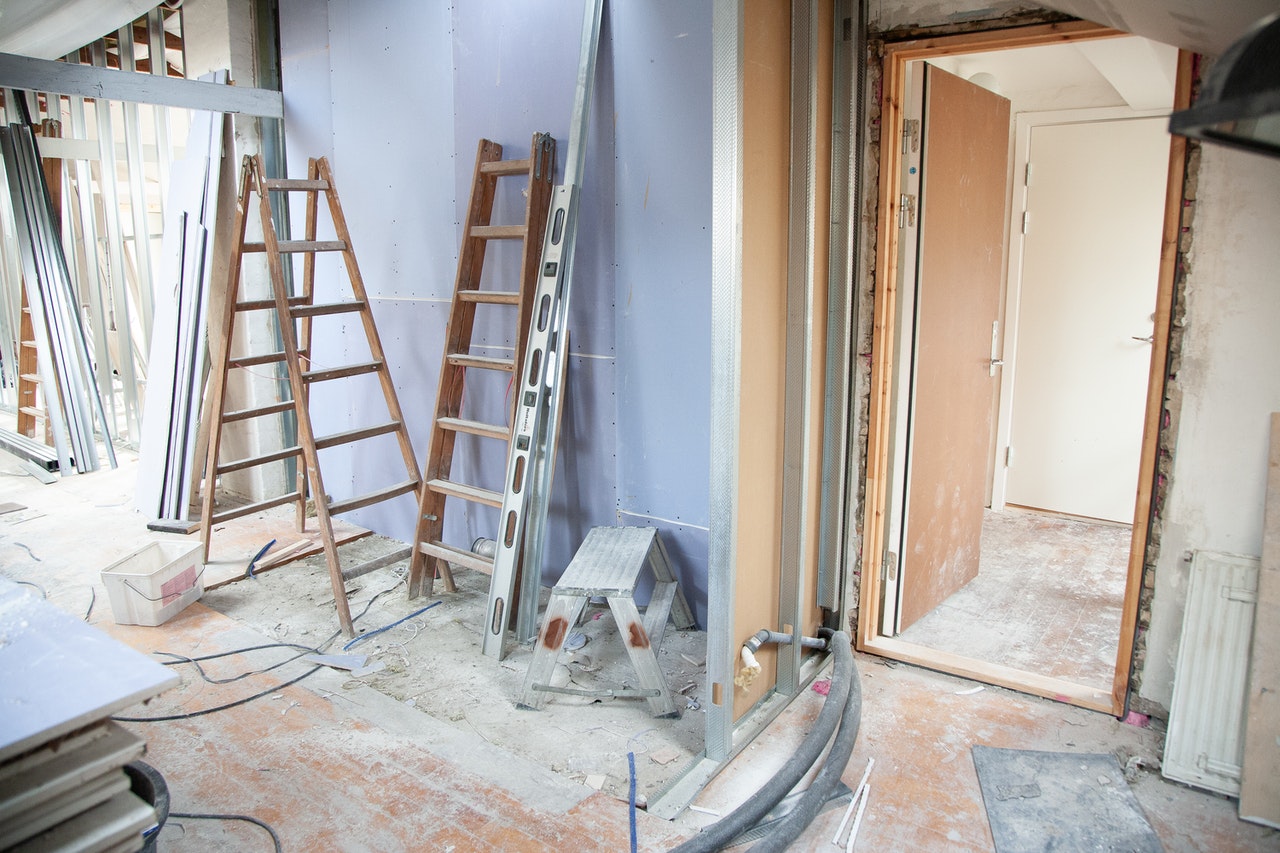
Updated October 2026. How to redo a whole home from the inside out: the order trades should work in, and how to keep living there while they do. Sources read October 29, 2026.
To redo an entire home from the inside, work top-down and dirty-to-clean: roof and structure first, then plumbing, wiring and HVAC behind open walls, then insulation and drywall, then paint, floors and fixtures last. If the house was built before 1978, plan for lead-safe work; EPA says about three-quarters of those homes still contain some lead paint (EPA, read October 2026).
Jump to: 🪜 The order · ⏱️ Phases · 🏠 Living through it · 🤝 Hiring · 💲 Selling later · ❓ FAQ
Key takeaways
- Fix what keeps water out (roof, windows, grading) before you spend a dollar on finishes.
- Open walls once: run plumbing, wiring, ducts and insulation in the same window of work.
- Paint goes on before the new floor, and trim and fixtures go in last.
- Paid contractors disturbing paint in a pre-1978 home must be EPA lead-safe certified (EPA RRP rule).
A whole-house remodel isn’t one project. It’s twenty small ones that keep bumping into each other. The electrician needs the wall open; the painter needs it closed. The flooring crew wants the drywall dust gone; the drywall crew wants to be done before anyone cares about the floor. Get the order right and each trade hands a clean stage to the next. Get it wrong and you pay twice for the same square foot.
This guide is about sequence and stamina. If you’re still choosing which projects to do at all, our guide on how to prioritize home renovations covers that, and the How to Increase your Property Value: Top 10 Cost-Effective Home Renovations list helps if resale is the goal.
What order should you remodel a whole house in?
Think of the house as layers. You work from the outside shell, to the guts, to the skin.
| Phase | What happens | Why it goes here |
|---|---|---|
| 1. Shell | Roof, windows, exterior doors, drainage | Water ruins everything that comes later. |
| 2. Demolition | Strip walls, floors, old cabinets | Shows what’s really behind the plaster. |
| 3. Structure | Framing, beams, subfloor repairs | Everything else is attached to it. |
| 4. Rough-ins | Plumbing, electrical, HVAC ducts | Easy while walls are open, costly after. |
| 5. Close-up | Insulation, drywall, tape and mud | Usually after the rough-in inspection. |
| 6. Finishes | Paint, floors, cabinets, tile, trim | Dust-free stage, cleanest trades last. |
| 7. Fixtures | Lights, faucets, appliances, hardware | Last in, least likely to get damaged. |
One tweak most pros agree on: paint walls and ceilings before the finished floor goes down, then touch up after trim. Drips on bare subfloor don’t matter. Drips on new oak do.
What happens in each phase, and what trips people up?
The shell. Start outside even though this is an inside-out project. If the roof leaks, new drywall gets stained by spring. In Indiana, for example, homeowners often bring in a roofing contractor servicing in Indianapolis before any interior crew shows up, and the same logic holds anywhere it rains. A tired exterior can be handled at the same time; a local crew like ncpaintandpowerwash.com in North Carolina is the kind of painter and power-washer people book for that.
Demolition. This is where budgets meet reality. Rotted sill plates, old knob-and-tube wiring, a beam someone notched for a dryer vent. Keep 10% to 20% of the budget unassigned until demo is done. That’s our rule of thumb, not a law of physics, but you’ll rarely regret it.
Rough-ins. Plumbers, electricians and HVAC installers all want the same open walls. Book them as a block. Add what you might want later now: an outlet for a future island, blocking for grab bars, a conduit to the attic. It costs little with the studs showing.
Inspection, then close-up. Most towns inspect rough plumbing, electrical and framing before insulation and drywall. Don’t let anyone hang board before the inspector signs. Tearing out new drywall for a missed inspection is the most expensive mistake on this list.
Finishes. Paint, then floors, then trim and doors, with cabinets and tile fitted in where your installers want them. Keep the look simple. A straightforward design with one finish carried through the house reads calmer and is easier to price.
Does an older home change the plan?
Yes, if it was built before 1978. In 1978 the federal government banned lead-based paint for homes. EPA’s Renovation, Repair and Painting (RRP) rule says anyone paid to disturb painted surfaces in a pre-1978 home must be certified and use lead-safe work practices. Doing the work yourself in your own home is generally outside the rule, but it still applies if you rent out part of the house.
In plain terms: ask every contractor for their EPA lead-safe firm certification before demo day. Expect plastic sheeting, sealed doorways and HEPA vacuums. It slows the start a little and protects anyone living in the house, kids most of all.
Can you live in the house during a full remodel?
You can, if you’re honest about what it takes. Plenty of families do it. Here’s what makes it bearable:
- Remodel in zones, not all at once. Finish the bedrooms first so you always have somewhere clean to sleep.
- Set up a temporary kitchen in another room: a microwave, a hot plate, a coffee maker and a folding table.
- Keep one bathroom working at all times. Schedule the second bathroom only after the first is done.
- Seal the work zone with plastic and tape, and change the HVAC filter often while there’s dust.
- Agree on work hours and a clean-up routine with the contractor in writing.
If the job includes all the plumbing, the whole electrical panel, or major lead or mold work, moving out for a few weeks is often cheaper than it looks. Crews work faster in an empty house, and nobody is stepping around a toddler.
Sell smarter
List your home on the MLS from $99
A flat fee instead of a percentage, and $0 to Beycome at closing. You stay in control of your sale.
Sell your home →Buy smarter
Get up to 2% back at closing
On homes listed by other agents, Beycome credits you up to 2% of the price at closing (1% kept, $1,499 minimum; not on FSBO homes or homes listed by Beycome sellers).
Buy a home →Waste piles up fast, too. Our guide to handling waste during a home remodel covers dumpsters, donations and disposal rules.
Should you hire a general contractor or manage trades yourself?
For a whole-house job, a general contractor usually earns their markup by keeping the sequence above on schedule. Managing trades yourself can save money if you have time, can read a schedule and don’t mind phone calls at 7 a.m.
Either way, get written bids with the same scope, check licenses with your state, and confirm who pulls permits. Ask for proof of insurance and lien waivers as you pay. Our article on what to do during and after a renovation walks through permits, lien paperwork and records to keep.
Want ideas before you start? House Beautiful’s list of small projects is a good scan if you’re remodeling your house on a tighter budget.
Which whole-house projects pay back when you sell?
Joy and payback aren’t the same thing. In NAR and NARI’s 2025 Remodeling Impact Report (April 9, 2025), a primary bedroom suite, a kitchen upgrade and new roofing all scored a perfect 10 on homeowner joy. The highest estimated cost recovery went to smaller jobs: a new steel front door (100%), a closet renovation (83%) and a new fiberglass front door (80%).
So if you’re redoing the house to live in it, build for yourself. If you plan to sell within two years, keep finishes neutral and pull permits for everything, because buyers’ inspectors will ask. Our list of renovations sellers make before listing narrows it down.
When the work is done and you’re ready to move on, Beycome lists your home on the major home search sites and the MLS from $99, and you owe Beycome $0 at closing. Your home, your sale, your rules. See how Beycome listing packages work. More than 22,000 homeowners have sold with Beycome and saved over $225 million, with a home sold every 30 minutes (Beycome internal data, October 2026).
Buying the next place before you sell? The Beycome buyer program is open to every buyer on homes listed by other agents, with no upfront fee. The commission credit can’t apply where no buyer-agent commission is offered, like most FSBO homes, or on homes listed by Beycome sellers.
Whole-house remodel questions
What is the correct order to remodel a house?
Shell first (roof, windows, drainage), then demolition, structure, plumbing, electrical and HVAC rough-ins, inspection, insulation and drywall, then paint, floors, trim and fixtures.
Should I paint or do floors first?
Paint walls and ceilings first, then install the finished floor, then touch up after the trim goes on. Spills on subfloor don’t matter; spills on new floors do.
Can I live in my house while it’s being fully remodeled?
Yes, if you work in zones, keep one bathroom and a temporary kitchen running, and seal off dust. For full re-plumbing, rewiring or lead work, moving out for a few weeks is often easier.
Do I need a lead-safe contractor?
If your home was built before 1978 and you pay someone to disturb painted surfaces, EPA’s RRP rule requires a certified firm using lead-safe practices.
How much extra should I budget for surprises?
We suggest holding 10% to 20% of the budget until demolition shows what’s behind the walls. Older homes tend to need the higher end.
Which remodeling projects recover the most cost?
In the 2025 NAR/NARI Remodeling Impact Report, a new steel front door (100%), a closet renovation (83%) and a new fiberglass front door (80%) had the highest estimated cost recovery.
Lead rules from EPA’s Renovation, Repair and Painting program page, read October 29, 2026; rules for rentals and child-occupied spaces differ. Joy and cost-recovery figures from the NAR/NARI 2025 Remodeling Impact Report press release (April 9, 2025). The 10% to 20% contingency is Beycome guidance, not a standard. Permit and inspection steps vary by town. Beycome prices as of October 2026; “$0 at closing” means no Beycome fee at closing (other closing costs, taxes and title charges still apply). Buyer program: Beycome keeps 1% of the price (minimum $1,499) and credits the rest of the buyer-agent commission at closing, subject to lender approval. General information, not legal advice.
Sources
- EPA, Lead Renovation, Repair and Painting Program, read October 29, 2026.
- NAR, 2025 Remodeling Impact Report press release (April 9, 2025), read October 29, 2026.
- Beycome, listing package features, October 2026.
Disclosure & Disclaimer
Beycome provides real estate services through affiliated licensed brokerages and has a commercial interest in the services and business models discussed on this blog. Content reflects Beycome’s perspective and may promote our services; it should not be treated as independent or neutral reporting.
Articles are provided for general informational and educational purposes only, not as financial, tax, legal, or investment advice or a recommendation for your particular situation. Reading this blog does not create a brokerage, advisory, or other professional relationship.
Information, opinions, pricing, service descriptions, and comparisons reflect the sources and information available when an article was published or last updated and may change. Although we aim for accuracy, we do not guarantee that all content is complete, current, or applicable to your circumstances. Laws, market conditions, and service availability vary by location. Examples and estimated savings are illustrative, depend on stated assumptions, and do not guarantee individual results.
Verify relevant information directly and consult qualified professionals before making decisions. Beycome services are subject to applicable agreements, eligibility requirements, and state-specific terms.

