
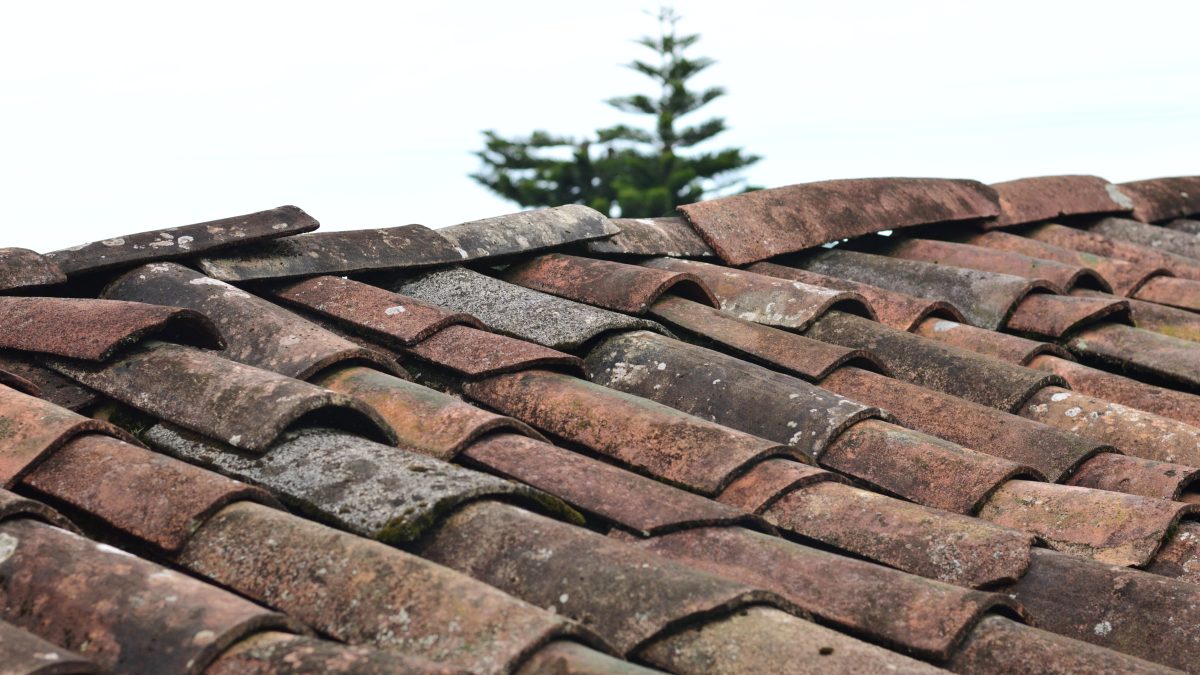
Updated October 2026. Six ways to spot roof damage from the ground and the attic, what each sign usually means, when to call a roofer and what a worn-out roof does to a home sale, with figures from NAR and the EPA.
The six signs of roof damage are water leaks, missing shingles, worn flashing, cracked shingles, a sagging roofline, and moss or mold. Check twice a year and after every big storm. It matters when you sell: as of October 2026, new roofing is the third most common project Realtors tell sellers to do before listing, recommended by 37% of them (NAR 2025 Remodeling Impact Report).
Jump to: 🏠 6 signs · 🪜 How to check · 🤝 When to call a pro · 💲 Roof and resale · ❓ FAQ
Roof damage, in numbers
- 37% of Realtors recommend new roofing before listing, behind painting the whole home (50%) and one room (41%) (NAR, 2025).
- 43% of Realtors saw demand rise for homes with new roofing (NAR, 2025).
- New roofing scored a perfect 10 for homeowner happiness on NAR’s Joy Score (NAR, 2025).
- Dry water-damaged areas within 24 to 48 hours to prevent mold (EPA).
Is your roof worn out? Most people don’t look until there’s a stain on the ceiling. By then, water has often been getting in for a while. Small problems turn into rotted decking, wet insulation and mold if you wait. The good news is that most warning signs are easy to spot once you know where to look.
What are the 6 signs of roof damage?
1. Water leaks
This is the one homeowners report most. A brown ring on the ceiling, peeling paint near the top of a wall or a damp smell in the attic all point to water getting in. Whether you see it in Laguna Beach or anywhere else, treat even a small leak as urgent. Water works into gaps, freezes and thaws, and widens them every season.
The EPA says to dry water-damaged areas and items within 24 to 48 hours to prevent mold growth. So put a bucket down, move what you can and get the source found fast.
2. Missing shingles
After a windstorm, walk around the house and count the bare spots. Missing shingles leave the underlayment exposed to sun and rain. They also make the roof look patchy, and a tired-looking roof lowers the value of your house in a buyer’s eyes. You might be tempted to nail a few new ones on yourself. Unless you’ve done it before, call a roofer: a bad patch can leak worse than a gap.
3. Worn flashing
Flashing is the metal that seals the joints around chimneys, vents, skylights and valleys. Look for lifted edges, rust, gaps or old caulk that has cracked. Flashing moves as the roof heats and cools, and once it pulls away, water runs straight under the shingles. Many owners don’t notice until the damage reaches the ceiling.
4. Cracked or curling shingles
Shingles crack from wind, hail, sun and cold. Curled edges, blistering and bald patches where the granules have worn off mean the shingle is near the end of its life. A gutter full of granules is a clue, too. Water sinks into cracks and makes them bigger, and pieces can break off and leave the layer underneath open.
5. A sagging roofline
Stand across the street and look at the ridge. It should be straight. A dip or sag can mean wet or rotting decking, a structural problem or too much weight from extra layers of shingles. A sagging roof is not a wait-and-see problem. Get it checked soon.
6. Moss, algae and mold
Green or black growth, especially on shaded sides and in corners, holds moisture against the roof. Inside, check the attic and soffits for dark spots or a musty smell. Moisture that sits can spread mold and affect your family’s health. Keep gutters and soffit vents clear so the roof can dry out.

How do you check your roof for damage safely?
- Start on the ground. Use binoculars to scan for missing, cracked or curled shingles.
- Walk the gutters. Look for granules, loose pieces of shingle and gutters pulling away.
- Go into the attic on a sunny day. Light coming through, wet insulation or dark stains on the wood are warning signs.
- Check the ceilings. Stains, bubbling paint and cracks near the top of walls often trace back to the roof.
- Look after storms. High wind and hail cause most sudden damage, so a quick walk-around helps.
- Take dated photos. They help with insurance claims and show buyers how you cared for the roof.
Skip climbing on a steep or wet roof. Falls are a real risk, and walking on brittle shingles can crack them. Let a roofer go up.
When should you call a roofer?
Call one for any active leak, a sagging section, damaged flashing around a chimney, or shingles that are curling across a whole slope. Ask for a written inspection with photos. That report is useful whether you repair, replace or sell.
Sell smarter
List your home on the MLS from $99
A flat fee instead of a percentage, and $0 to Beycome at closing. You stay in control of your sale.
Sell your home →Buy smarter
Get up to 2% back at closing
On homes listed by other agents, Beycome credits you up to 2% of the price at closing (1% kept, $1,499 minimum; not on FSBO homes or homes listed by Beycome sellers).
Buy a home →Not sure what a fix should cost? Our guide on how to calculate the cost of a roof restoration walks through it. For a yearly routine, read why roof inspections matter, and for other trouble spots around the house, see 7 warning signs your home needs repairs.
Should you repair or replace a damaged roof?
Repair makes sense when the damage is in one spot: a few blown-off shingles, one leaky vent boot, a section of loose flashing. Replacement makes more sense when problems show up all over, when the shingles are curling or bald across whole slopes, or when the decking underneath is soft.
Ask the roofer to show you photos of what they found and to price both options in writing. A good contractor will tell you when a repair buys you a few more years and when it’s money spent on a roof that’s done. If two roofers disagree, get a third opinion before you sign.
Check your homeowners policy too. Storm damage is often covered, wear and tear usually isn’t. Call your insurer soon after a storm, and keep the dated photos from your own walk-around. They help show when the damage happened.
Does roof damage affect your home’s sale?
Yes, and buyers notice. Inspectors check the roof on almost every sale, and lenders and insurers may ask about its age. In NAR’s 2025 Remodeling Impact Report, 37% of Realtors recommended new roofing before listing, and 43% saw higher buyer demand for homes with a new roof. Homeowners who replaced theirs gave it a Joy Score of 10 out of 10.
That doesn’t mean every seller needs a new roof. Fix active leaks and obvious damage first. If the roof is old but sound, get an inspection, keep the report and price with it in mind. Our piece on why the roof is an important asset in real estate covers how buyers weigh it, and what not to fix before selling helps you skip repairs that don’t pay back.
When you’re ready to sell your house, a Beycome flat fee MLS listing starts at $99, with $0 due to Beycome at closing. You control the description, so you can mention a recent roof or a clean inspection. Beycome lists in 17 states and DC and has helped 22,000+ homeowners save over $225 million. Want an expert to handle negotiations? Beycome Concierge is $1,399, with full support and you stay in control. Closing in Florida or Texas? Beycome Title handles the title and closing.
Roof damage questions
How do I know if my roof is worn out?
Look for curling or cracked shingles, bald spots, granules in the gutters, daylight in the attic and a sagging ridge. Several signs at once usually mean the roof is near the end of its life.
Can a small roof leak wait?
No. Small leaks spread into decking and insulation. The EPA says to dry wet areas within 24 to 48 hours to prevent mold.
How often should I check my roof?
Twice a year, in spring and fall, and after any big storm. A roofer’s inspection every few years helps too.
Is moss on a roof a problem?
It holds moisture against the shingles and can shorten their life. Clear it gently and keep gutters and soffits open so the roof dries.
Should I replace my roof before selling?
Not always. Fix leaks and damage. If the roof is old, an inspection report lets you price it fairly. NAR found 37% of Realtors recommend new roofing before listing.
Can I replace missing shingles myself?
You can, but a bad patch can leak. If you haven’t done it before, hire a roofer and stay off steep or wet roofs. Our roofer checklist for Evansville works in any town.
Prices as of November 2026; Concierge is $1,399 and Basic is $129 in California and Illinois ($99 elsewhere). “$0 at closing” means no Beycome fee at closing; other closing costs, taxes and title fees still apply. Beycome Title: Florida, Texas, Michigan, Ohio, Illinois and Indiana. General information, not roofing or legal advice; contractor links are examples, not endorsements.
Sources
- NAR, 2025 Remodeling Impact Report news release, read October 27, 2026.
- NAR, Remodeling Impact report page, read October 27, 2026.
- EPA, A Brief Guide to Mold, Moisture and Your Home, read October 27, 2026.
- Beycome, listing package features, October 2026.
Disclosure & Disclaimer
Beycome provides real estate services through affiliated licensed brokerages and has a commercial interest in the services and business models discussed on this blog. Content reflects Beycome’s perspective and may promote our services; it should not be treated as independent or neutral reporting.
Articles are provided for general informational and educational purposes only, not as financial, tax, legal, or investment advice or a recommendation for your particular situation. Reading this blog does not create a brokerage, advisory, or other professional relationship.
Information, opinions, pricing, service descriptions, and comparisons reflect the sources and information available when an article was published or last updated and may change. Although we aim for accuracy, we do not guarantee that all content is complete, current, or applicable to your circumstances. Laws, market conditions, and service availability vary by location. Examples and estimated savings are illustrative, depend on stated assumptions, and do not guarantee individual results.
Verify relevant information directly and consult qualified professionals before making decisions. Beycome services are subject to applicable agreements, eligibility requirements, and state-specific terms.
