Whether you’re keeping animals out or creating a safe space for your family, a strong, durable fence is a valuable investment. But building one that lasts isn’t easy without the right tools, materials, and know-how. With proper guidance, though, you can create a fence that fits your needs and looks great too.
Select The Right Materials For Your Fence
If you want to get something right, you need to invest time in the planning stages. This is especially true when you are building something that will be exposed to the elements day in and day out and that you need to remain solid and secure. As such, selecting suitable materials for your fence is key to ensuring longevity and aesthetic beauty (if you also require that).
Not all fencing materials perform the same, so choose options that fit your budget and climate. Wood is cheaper to install but can weather, warp, or splinter without regular maintenance. If you want a more durable, low-maintenance option, metal is the better choice.
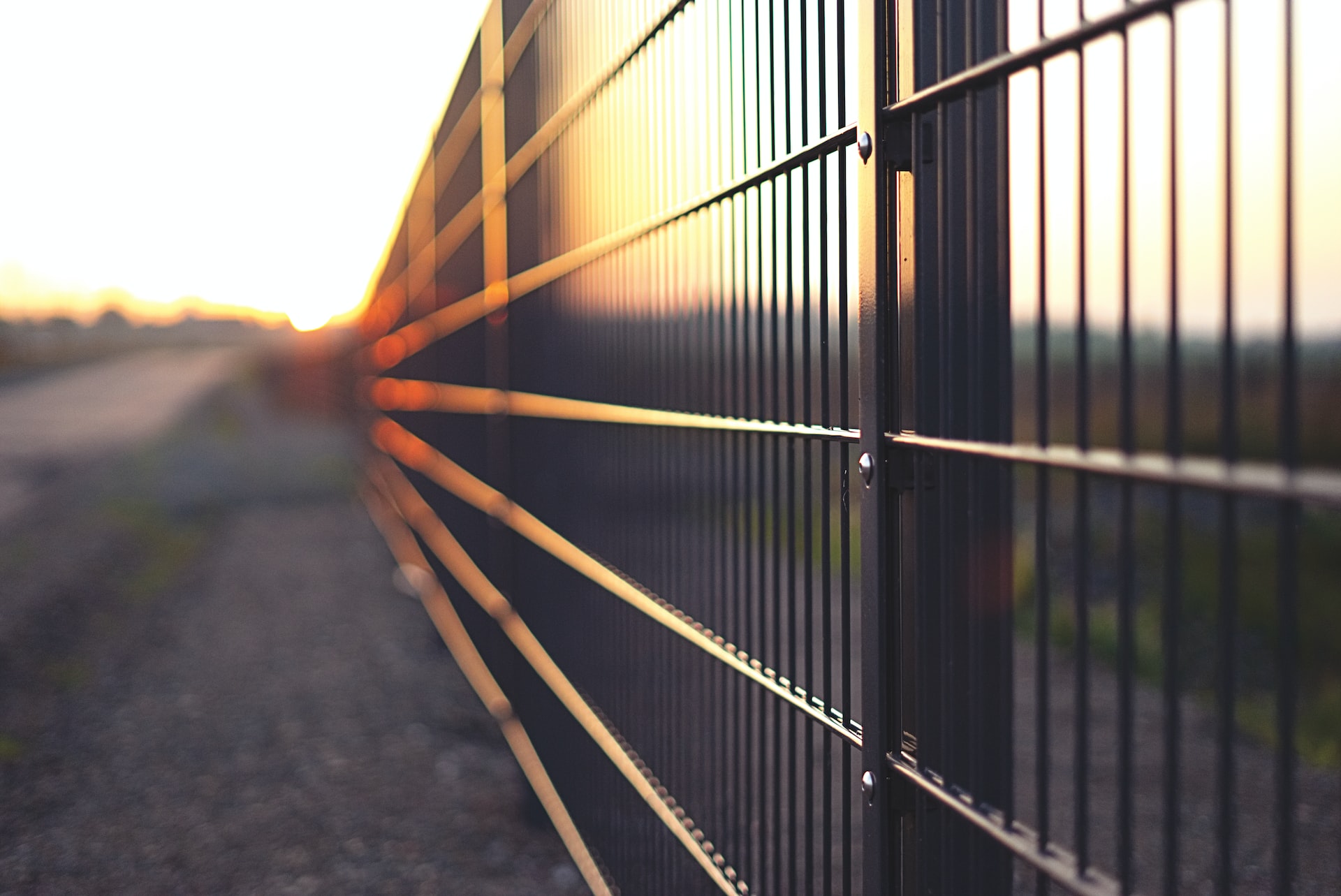
Metal fences are generally more expensive than wood but often last longer and require less maintenance in extreme climates. Look for galvanized steel (more on that later) or industrial wire cloth that is rust-resistant and can withstand a range of environments.
You can also coat your metal posts with a clear sealant to help protect them from moisture- and weather-related damage. In addition, powder coating applied directly on the surface of the fence material can resist rusting, chipping, and fading from sunlight.
Take Accurate Measurements For An Even Layout
Any self-respecting DIY enthusiast will have heard the term “measure twice cut once” at least once throughout their lives.
Accurate measurements are essential for an even fence layout. Evenly spaced, well-aligned posts improve the fence’s appearance and help prevent water damage or wear caused by misaligned bolts and connections. Measure the entire length of the fence and between each post to ensure they are not too far apart.
This will also help you assess if any further reinforcements are needed at unique points within the fence. Also, review the dimensions of any openings or gates within the fence layout to ensure that the distance between these points is equal, so the gate isn’t lopsided when closed.
After completing your measurements, use levelers and markers as guides before securing each post into place in order to ensure an even layout throughout your entire fence design.
Sell smarter
List your home on the MLS for $99
No listing agent, no 3% commission. Beycome handles your MLS listing so you keep more of what your home is worth.
Sell your home →Buy smarter
Get up to 2% back at closing
Buy any home with a Beycome agent and receive a rebate of up to 2% of the purchase price — paid to you at closing.
Buy a home →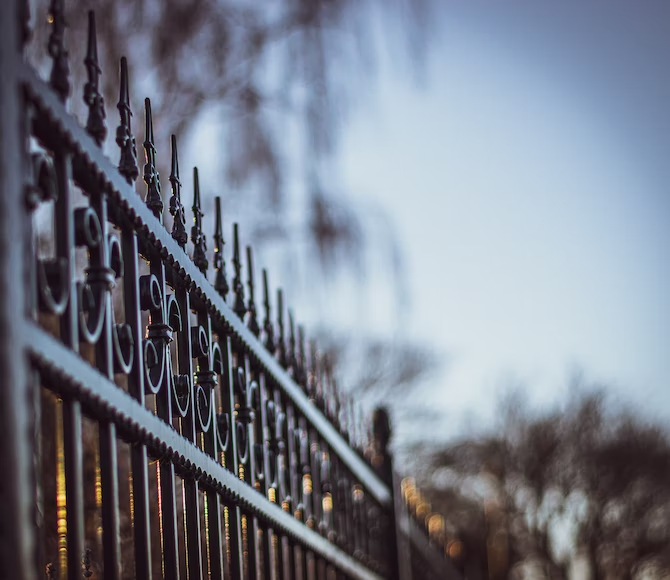
Dig Post Holes And Secure The Posts Using A Special Concrete
If you’re new to fence building, you may not know about postcrete. But if you want your hard work to last, it’s worth investing in this specialized concrete before you begin.
As with building a house, your fence needs solid foundations. Dig and drill proper holes to create a stable base for each post. Use a manual or power auger to dig evenly spaced holes at least two feet deep along the planned fence line. At this stage, it’s crucial to ensure that all of your posts are level and of consistent height.
Pour postcrete into each hole, filling the bottom two-thirds before setting the wooden posts.
It forms a strong bond with the ground, securing the posts without needing extra materials.
Use Galvanized Hardware For A Reliable Structure
Any metal that will be consistently exposed to weather of any kind should be galvanized to ensure durability. Using galvanized hardware is smart because it resists rust and extends your fence’s lifespan.
You should opt for galvanized steel or aluminum when choosing metal for your fence posts and rails.
With galvanized steel, you can ensure your fence will not break quickly due to moisture or rusting. Aluminum is another reliable option because it won’t rust or corrode, which is especially helpful in harsh weather conditions.
Inspect The Fence Regularly For Maintenance
This final point isn’t about construction itself, but it’s just as important if you want your fence to stay strong and last. You should regularly inspect your fence to check for signs of damage or weakness and repair it as needed.
With quality materials and careful layout, you can create a fence that keeps your home secure and stays low-maintenance for years.