
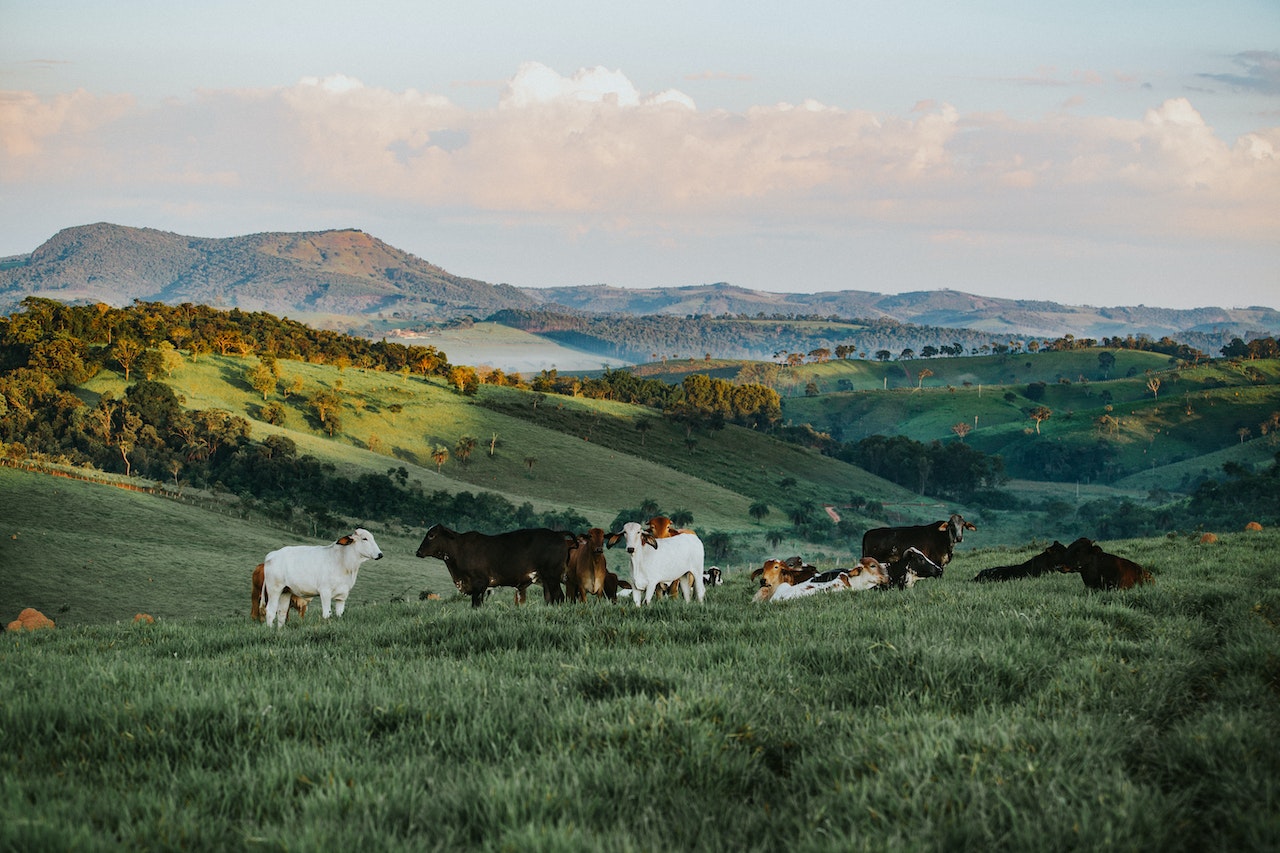
Updated October 2026. For buyers looking for a working ranch, a horse property or a weekend retreat, with Texas numbers where they help.
To find a ranch that fits your needs, start with the use (cattle, horses, hunting or recreation), then set acreage, water, access and budget, and check taxes before you offer. Prices vary a lot by region: Texas rural land averaged $5,218 per acre in the second quarter of 2026, per the Texas Real Estate Research Center (August 20, 2026).
Jump to: 🪜 Define your needs · 💲 Costs and taxes · 📍 What to check · 🤝 Getting help · ❓ FAQ
Key takeaways
- Texas rural land prices plateaued at $5,218 per acre in Q2 2026, with 8.17% five-year annualized growth (Texas Real Estate Research Center).
- In Texas, qualifying farm and ranch land can be taxed on its productivity value instead of market value, which is usually lower.
- If land with that special appraisal changes to a non-agricultural use, the owner who changes it owes rollback tax for the previous three years (Texas Comptroller).
- Water, legal access and fencing often matter more to a ranch’s value than the house on it.
Maybe you want a working cattle ranch, an equestrian property or a recreational place to unwind with family and friends. Whatever the goal, finding the right ranch is harder than finding a house. Listings are spread out, every tract is different, and the costs go far beyond the price per acre. Here’s how to narrow it down.
What kind of ranch do you need?
Start with what you’ll do there. Your use decides the acreage, terrain and features that matter.
| Use | Look for | Watch out for |
|---|---|---|
| Cattle or hay | Good pasture, water, working pens, fencing | Overgrazed land, poor soil, no water rights |
| Horses | Barn, arena, safe fencing, nearby vet | Rocky ground, flood-prone pasture |
| Hunting or wildlife | Cover, creeks, ponds, low neighbor density | Lease rules, road noise |
| Weekend retreat | Views, trails, a livable house, road access | Long drives, upkeep while you’re away |
Think about income too. Some ranches pay part of their way through grazing or hunting leases, hay sales or a farm stand. Ask the seller for past lease agreements and income records.
Then set the size. More acres cost more to fence, mow and insure. Our guide on acreage and property value explains how size changes the price, and 7 Things You Need to Know Before You Buy a Piece of Land covers the basics.
How much does a ranch cost, beyond the price?
Price per acre is only the start. In Texas, the Texas Real Estate Research Center reported rural land at $5,218 per acre in the second quarter of 2026, up slightly from a year earlier. The center tracks prices by region and tract size, and both move the number a lot. Hill Country listings are a good example of the spread; this overview of Texas Hill Country land shows how location and water drive prices.
Property taxes and agricultural appraisal
Taxes can change your budget a lot. The Texas Comptroller explains that qualifying farm and ranch land can be appraised on its ability to produce agricultural products, not its market value. That productivity value is usually lower. Land used for wildlife management can qualify too.
There’s a catch. If land with that special appraisal changes to a non-agricultural use, the owner who changes the use owes a rollback tax for each of the previous three years. Ask the seller whether the land has an agricultural appraisal, and plan to keep the qualifying use if you want to keep it. Other states have their own versions; check with the county.
Other costs to budget
- Fencing, gates and cattle guards.
- Wells, pumps and pond upkeep.
- Road and driveway maintenance.
- Equipment like a tractor, mower and trailer.
- Insurance for outbuildings and livestock.
- Cooling and heating the house; see Home Cooling Mistakes That Can Deplete Your Finances.
Financing land often works differently from a regular home mortgage, so talk to lenders early. Read how to get a land loan, Smart Strategies to Buy Land Even With Bad Credit and Smart Strategies to Find and Secure Low-Cost Land. Investors should also see Looking To Invest In A Ranch? Here Are Some Useful Tips.
What should you check when you visit a ranch?
Go in person, and go twice if you can, once after rain. Online photos rarely show what matters on a ranch.
- Water: wells, ponds, creeks and any water rights that come with the land.
- Access: a legal, recorded road or easement to the property.
- Boundaries: a recent survey, and fences that match it.
- Pasture and soil: grass cover, erosion and brush.
- Buildings: barns, pens and outbuildings, and their condition.
- Flood risk: low spots and creek banks.
- Rules: zoning, deed restrictions and any mineral rights held by others.
Ask about upkeep costs, road access in bad weather and any legal issues. Talk to neighbors if you can; they’ll tell you about water and roads. Planning to add a barn? See adding a pole barn to your property.
Sell smarter
List your home on the MLS from $99
A flat fee instead of a percentage, and $0 to Beycome at closing. You stay in control of your sale.
Sell your home →Buy smarter
Get up to 2% back at closing
On homes listed by other agents, Beycome credits you up to 2% of the price at closing (1% kept, $1,499 minimum; not on FSBO homes or homes listed by Beycome sellers).
Buy a home →What should you ask for before closing?
A ranch closing has more moving parts than a house closing. Ask for these documents early, ideally in your contract:
- A current survey that shows boundaries, easements and any encroachments.
- A title commitment that lists liens, easements and exceptions.
- Records of any mineral, water or timber rights, and who holds them.
- Copies of grazing, hunting or farm leases that will stay in place.
- The current tax bill and proof of any agricultural appraisal.
- Well and septic reports, if the property has them.
Leases can surprise new owners. A hunting lease may run through the next season, and a grazing tenant may have rights to stay. Read every lease before you sign, and agree in writing on what transfers at closing.
Should you hire a professional to buy a ranch?
It’s your choice; it’s not required. A real estate agent who knows ranches can find tracts that never reach the big sites, explain local pricing and spot problems with water or access. On your own, you do that research and work with the seller directly. Either way, get a survey, a title search and, for a working ranch, advice from someone who knows the business side.
If the ranch is listed by an agent, the Beycome buyer program can help. It’s open to every buyer on homes listed by other agents, with no upfront fee (the commission credit can’t apply where no buyer-agent commission is offered, like most FSBO homes, or on homes listed by Beycome sellers).
Closing in Texas? Beycome Title handles Texas closings with a $299 settlement fee per side, and Florida closings for $99 prepaid. Michigan, Ohio, Illinois and Indiana are added starting November 1, 2026. Moving to Texas for the land? Read why Texas is an excellent state to live.
Selling a ranch later? A Beycome flat fee MLS listing starts at $99 with $0 due to Beycome at closing, in 17 states and DC.
Frequently asked questions about finding a ranch
How much does ranch land cost per acre in Texas?
Texas rural land averaged $5,218 per acre in Q2 2026, per the Texas Real Estate Research Center. Region and tract size change it a lot.
What should I look for when buying a ranch?
Water, legal road access, a recent survey, fencing, pasture quality, flood risk, buildings and any mineral or water rights.
What is ag exemption on a Texas ranch?
It’s a special appraisal that taxes qualifying farm and ranch land on its productivity value, usually below market value.
What is a rollback tax?
In Texas, if specially appraised land changes to a non-agricultural use, the owner who changes it owes the tax difference for the previous three years.
Do I need a realtor to buy a ranch?
No, it’s not required; it’s your choice. A ranch agent brings local knowledge, while buying direct means you do the research yourself.
How many acres do I need for horses or cattle?
It depends on rainfall, grass and how you feed. Ask the county extension office for local stocking rates before you buy.
Prices as of October 2026; from November 1, 2026, Basic is $129 in California and Illinois ($99 elsewhere). “$0 at closing” means no Beycome fee at closing; other closing costs and taxes still apply. Beycome Title: Florida and Texas today; Michigan, Ohio, Illinois and Indiana starting November 1, 2026. Buyer credit: Beycome keeps 1% of the price (minimum $1,499) and credits the rest of the buyer-agent commission at closing, subject to lender approval; not on FSBO homes or homes listed by Beycome sellers. Tax rules described are Texas rules as published by the Comptroller; other states differ. General information, not legal or tax advice.
Sources
Disclosure & Disclaimer
Beycome provides real estate services through affiliated licensed brokerages and has a commercial interest in the services and business models discussed on this blog. Content reflects Beycome’s perspective and may promote our services; it should not be treated as independent or neutral reporting.
Articles are provided for general informational and educational purposes only, not as financial, tax, legal, or investment advice or a recommendation for your particular situation. Reading this blog does not create a brokerage, advisory, or other professional relationship.
Information, opinions, pricing, service descriptions, and comparisons reflect the sources and information available when an article was published or last updated and may change. Although we aim for accuracy, we do not guarantee that all content is complete, current, or applicable to your circumstances. Laws, market conditions, and service availability vary by location. Examples and estimated savings are illustrative, depend on stated assumptions, and do not guarantee individual results.
Verify relevant information directly and consult qualified professionals before making decisions. Beycome services are subject to applicable agreements, eligibility requirements, and state-specific terms.

