
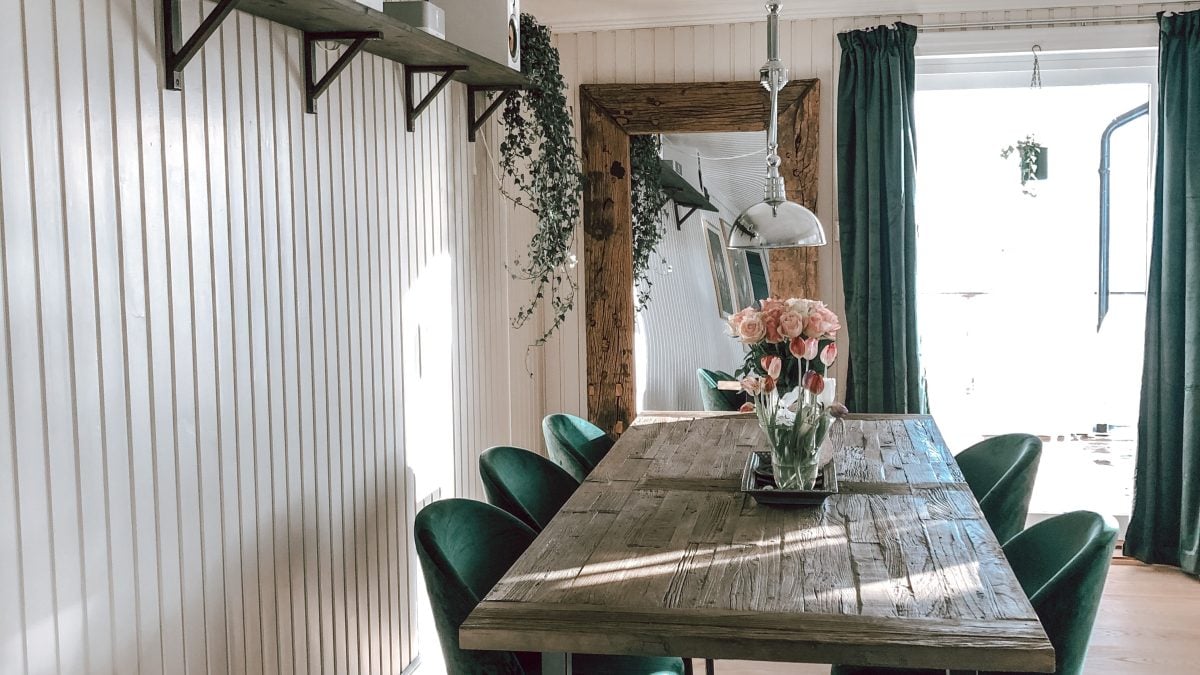

Updated October 2026. The real reasons to build a custom home, what it costs compared with buying, and the steps from lot to keys.
Building a custom home makes sense when you can’t find a house that fits how you live, and you have the time and budget to wait. As of October 2026, Census data shows the median contract price for a contractor-built single-family home started in 2025 was $404,000, usually before land. The median new home sold for $417,400.
Jump to: 🏠 Reasons · 💲 Cost · 🪜 Steps · ⏱️ Trade-offs · ❓ FAQ
Key takeaways
- 131,000 contractor-built single-family homes were started in 2025, at a median contract price of $404,000 (Census).
- Construction makes up about 64.4% of a new home’s sales price, per NAHB’s latest cost survey (2024).
- Land, permits, design and a construction loan come on top of the build itself. Budget for each one.
- Expect months of planning before ground breaks, and more if your lot needs work.
What are the best reasons to build a custom home?
People rarely build because it’s cheaper. They build because nothing on the market fits. The strongest reasons we hear:
- The layout. You decide where the kitchen goes, how many bedrooms, and whether the office gets a door that closes.
- The lot. You can turn the house toward the view, the breeze or the morning light.
- Accessibility. Wide doors, a bedroom on the main floor, no-step showers, planned from day one.
- Efficiency. You pick the insulation, windows and heating system instead of living with someone else’s choices.
- Low upkeep, at least for a while. New roofs, systems and appliances come with warranties.
Existing homes often box you in. Quite often homes are very restrictive with the kitchen in a set place and plumbing on one wall. Moving them means opening floors and walls. In a custom build, you draw it where you want it.
You’re not alone in going new. In NAR’s 2025 buyer survey, 16% of buyers bought a new home, the highest share in years.
How much does a custom home cost compared with buying?
Here’s the public data, so you can see the pieces.
| Figure | Amount | Source |
|---|---|---|
| Median contract price, contractor-built home started in 2025 | $404,000 | Census, Characteristics of New Housing |
| Median price of new single-family homes sold in 2025 | $417,400 | Census |
| Median existing-home price, September 2026 | $417,500 | NAR |
| Construction cost as share of a new home’s price | 64.4% | NAHB, 2024 survey |
| Finished lot as share of price | 13.7% | NAHB, 2024 survey |
A contract price is what you pay the builder. Land usually sits outside it. So the true total for a custom home is the lot, plus the contract, plus design, permits, utility hookups, landscaping and interest on the construction loan.
The median new single-family home finished in 2025 was 2,142 square feet. If you want more, the cost climbs with every room. Get three bids on the same plans so you’re comparing like with like. Not sure who should draw them? Read do you need an architect to build a house?
What are the steps to build a custom home?
- Set a budget, including land and a cushion of 10% to 15% for surprises.
- Get pre-approved for a construction loan. These pay the builder in stages as work is done.
- Buy the lot. Check zoning, setbacks, soil, utilities and flood zone first.
- Hire an architect or designer, or pick a builder’s plan and adjust it.
- Choose a builder. Check licenses, insurance, references and recent homes.
- Get permits. Your builder usually pulls them, but timing depends on your county.
- Build, with inspections at each stage: foundation, framing, systems, final.
- Do a final walk-through and a punch list before you close.
Two of those steps have their own guides. Read how to choose a custom home builder and how to get a land loan. If your lot is on a slope or soft ground, building on unstable terrain covers what that adds.
What are the downsides?
Building isn’t for everyone. Be clear-eyed about these before you start:
- Time. Design, permits and construction take many months. Weather and supply delays add more.
- Decisions. Hundreds of them, from outlets to grout color. Some people love it; some hate it by week six.
- Cost overruns. Upgrades add up, and changes after framing cost more.
- Two housing costs. You may pay rent or a mortgage while the construction loan builds up interest.
- Resale. A very personal design can narrow the pool of future buyers.
If those don’t scare you off, building can give you a home that fits for decades. If they do, a newer resale home or a builder’s spec home is a fair middle path.
What should you ask a builder before you sign?
Your builder will be part of your life for months. Interview at least three, and ask each the same questions so you can compare:
- Are you licensed and insured in this county? Can I see the certificates?
- Is this a fixed-price or cost-plus contract, and what’s not included?
- What allowances are in the bid for cabinets, flooring and fixtures?
- How are change orders priced and approved?
- Who’s on site day to day, and how often will we talk?
- What’s the payment schedule, and does it match the lender’s draws?
- What warranty comes with the home, and who handles claims?
- Can I talk to three clients whose homes you finished in the last two years?
Get every answer in writing. Allowances are where budgets quietly grow. A $5,000 flooring allowance in a house that needs $9,000 of flooring is a $4,000 surprise.
What about materials and energy use?
A custom build is your chance to choose materials once and well. Ask your builder about insulation levels, window ratings and air sealing. These are cheap on paper and expensive to fix later.
For heating, Census data shows 63% of new single-family homes finished in the South in 2025 had a heat pump. Our list of features to ask eco-friendly builders for goes further.
Sell smarter
List your home on the MLS from $99
A flat fee instead of a percentage, and $0 to Beycome at closing. You stay in control of your sale.
Sell your home →Buy smarter
Get up to 2% back at closing
On homes listed by other agents, Beycome credits you up to 2% of the price at closing (1% kept, $1,499 minimum; not on FSBO homes or homes listed by Beycome sellers).
Buy a home →Plan for maintenance too. Durable siding, a good roof and simple gutters keep upkeep low for years.
Is a semi-custom or spec home a good middle path?
Often, yes. A semi-custom home starts from a builder’s plan, and you change finishes, a few walls or the garage. You get some of the fit with less risk and a shorter list of decisions.
A spec home is already built or under way. You can see what you’re buying and close sooner, but you take the layout as it is. Builders sometimes offer incentives on spec homes, like help with closing costs or a lower rate, so ask what’s on the table.
Whichever path you take, get an independent inspection. New doesn’t mean perfect, and a punch list is easier to fix before closing than after.
What happens to your current home?
Most people building a custom home have a home to sell. Timing is the hard part: sell too early and you rent in between, too late and you carry two mortgages.
Many builders give a target completion date a few months out. That’s usually the moment to list. With Beycome, your current home goes on the major home search sites and the MLS from $99, with $0 due to Beycome at closing. The listing stays up for the maximum term the state and MLS allow**, which helps if the build runs long. See the flat fee MLS packages, or the Concierge package if you want an expert to work with you while you manage the build. Concierge is $1,399.
Building a spec home to sell instead of to live in? Read how to sell new construction. Beycome has helped 22,000+ homeowners and saved them over $225 million (Beycome internal data, October 2026).
Custom home questions
Is it cheaper to build or buy a house?
Usually buying is cheaper and faster. The median contractor-built home contract was $404,000 in 2025, often before land, while the median existing home sold for $417,500 in September 2026.
How long does it take to build a custom home?
It varies with design, permits, weather and size. Plan on several months of planning plus construction, and ask your builder for a written schedule.
What is a construction loan?
A short-term loan that pays your builder in stages as work is done. It often converts to a regular mortgage when the home is finished.
Do I need to buy land first?
Usually, yes. Some builders sell lots in their own communities. Either way, check zoning, utilities and soil before you commit.
What share of a new home’s price is construction?
About 64.4%, per NAHB’s 2024 Cost of Construction Survey. The finished lot was 13.7%.
Should I sell my house before building?
Many people list a few months before the target finish date. Selling first means renting in between; selling later can mean two payments.
** Listing term: the maximum the state and MLS allow (24 months; 12 in MD and PA). Beycome prices as of November 2026: Basic $99, Enhanced $399; Concierge $1,399. Basic is $129 in California and Illinois. “$0 at closing” means no Beycome fee at closing; taxes and title costs still apply.
Census and NAHB figures are national medians or averages; local costs vary widely. General information, not financial advice.
Sources
- U.S. Census Bureau, Highlights of 2025 Characteristics of New Housing, read October 29, 2026.
- NAHB Eye on Housing, Cost of Constructing a Home in 2024, read October 29, 2026.
- NAR, 2025 Profile of Home Buyers and Sellers, read October 29, 2026.
- NAR, Existing-Home Sales, September 2026, read October 29, 2026.
- Beycome, listing package features, October 2026.
Disclosure & Disclaimer
Beycome provides real estate services through affiliated licensed brokerages and has a commercial interest in the services and business models discussed on this blog. Content reflects Beycome’s perspective and may promote our services; it should not be treated as independent or neutral reporting.
Articles are provided for general informational and educational purposes only, not as financial, tax, legal, or investment advice or a recommendation for your particular situation. Reading this blog does not create a brokerage, advisory, or other professional relationship.
Information, opinions, pricing, service descriptions, and comparisons reflect the sources and information available when an article was published or last updated and may change. Although we aim for accuracy, we do not guarantee that all content is complete, current, or applicable to your circumstances. Laws, market conditions, and service availability vary by location. Examples and estimated savings are illustrative, depend on stated assumptions, and do not guarantee individual results.
Verify relevant information directly and consult qualified professionals before making decisions. Beycome services are subject to applicable agreements, eligibility requirements, and state-specific terms.
