
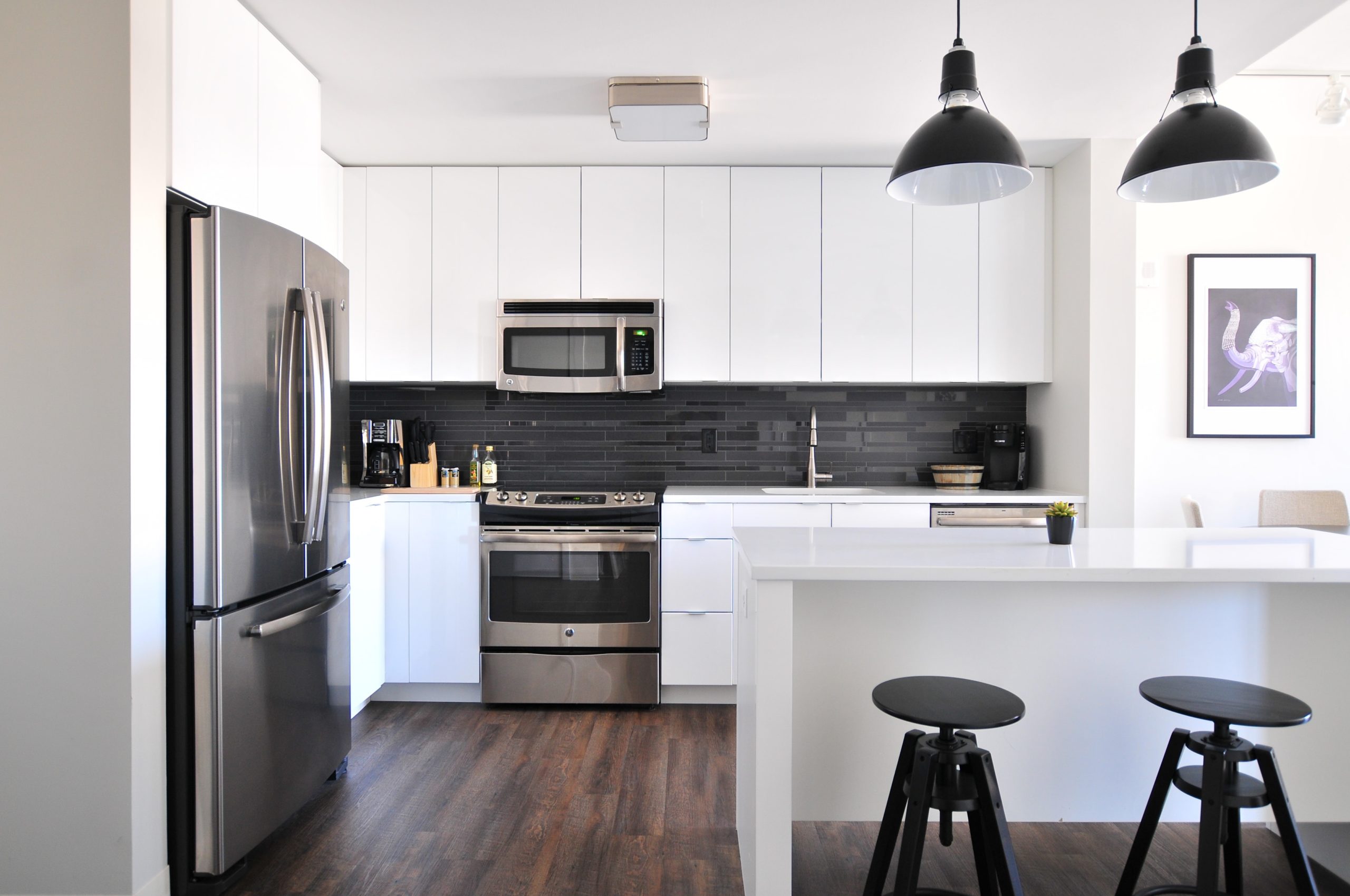
Updated October 2026. For buyers checking the appliances, HVAC and water heater in a home they want to buy.
Do home inspectors check appliances? Usually not in depth. As of October 2026, the InterNACHI Standards of Practice say an inspector isn’t required to inspect household appliances, like kitchen and laundry machines. They must run the heating and cooling systems with normal controls. So test the fridge, oven, dishwasher and washer yourself, in about 30 minutes, before your inspection period ends.
Jump to: 🏠 What comes with the house · 🪜 What inspectors check · 📸 Your checklist · ⏱️ HVAC and water heater · ❓ FAQ
Key takeaways
- Appliances come with the house only if the purchase contract says so. Built-ins usually do; freestanding ones depend on the deal.
- InterNACHI inspectors aren’t required to inspect or move household appliances, but they must test heating and cooling.
- Energy Star says a fridge over 15 years old could cost about $95 more a year to run than a new certified model.
- Check model numbers on the CPSC recall site before closing. It takes a few minutes per appliance.
Appliances can add real value to a home, and real cost if they fail the month you move in, which is why some buyers price a plan like the ones in our Armadillo home warranty review. Here’s what comes with the house, what an inspector will and won’t look at, and how to check each machine yourself.
When you buy a house, does it come with appliances?
Only the ones your contract lists. There’s no single national rule. The purchase agreement says what stays and what goes.
In practice, built-in items attached to the house are usually treated as fixtures that stay. Think of a wall oven, cooktop, built-in microwave, dishwasher or water heater. Freestanding items, like a fridge, washer and dryer, are often personal property. They stay only if the contract names them.
- Read the “included items” section of the offer before you sign.
- List each appliance you expect, by type and location: a kitchen refrigerator, a garage freezer.
- Ask whether any appliance is leased, like some water heaters or water softeners. A lease may need to be paid off or transferred.
- At the final walk-through, confirm everything listed is still there and works.
If you’re making an offer soon, our guide on what happens after an offer is accepted shows where the inspection and walk-through fit in.
Do home inspectors check appliances?
Not much, and buyers are often surprised. The InterNACHI Home Inspection Standards of Practice list what an inspector must check and what they’re not required to do. In the interior section, the inspector is not required to “inspect or move any household appliances.” The glossary defines household appliances as kitchen and laundry appliances, room air conditioners and similar items.
The same standard also excludes self-cleaning oven cycles, microwave leakage tests and small appliances like ice makers and coffee makers. Some inspectors still run the dishwasher or turn on a burner as a courtesy. Ask what’s included before you book, and get it in writing.
| Item | Under InterNACHI’s standard |
|---|---|
| Heating system | Inspected, using normal operating controls |
| Cooling system | Inspected, using normal operating controls |
| Water heater and plumbing | Inspected |
| Fridge, range, dishwasher, washer, dryer | Not required |
| Microwave leakage, self-clean cycle | Not required |
Source: InterNACHI Home Inspection Standards of Practice, read October 26, 2026. Your state may have its own inspector rules, and other associations use their own standards.
The inspection report often turns up repair items beyond appliances. See the 10 most common repairs needed after a home inspection to know what to expect.
How do you inspect pre-installed appliances yourself?
Bring a phone, a flashlight and a cheap appliance thermometer. Ask the seller’s permission to run each machine. Then go room by room.
Refrigerator
Check that the refrigerator is cold and quiet. Put the thermometer inside for 10 minutes. Energy Star’s fridge page gives 35 to 38 degrees Fahrenheit as the range to keep it in. Look under the crisper drawers and behind the unit for water stains, which point to leaks. Test the ice maker and water dispenser if there is one.
Find the model number and the date on the label inside the door. Energy Star says fridges over 15 years old could be costing about $95 more a year to run, and an old fridge uses about 20% more energy than a certified one.
Oven and range
Turn on each burner and the oven. With gas, you should see a steady blue flame and smell no gas once lit. If you smell gas, stop and ask for a licensed gas tech. Put a thermometer in the oven at 350 degrees and check it after 15 minutes. Open and close the door: the seal should be soft and whole.
Dishwasher
Run a short cycle with the seller’s OK. Watch for leaks under the door and check that water drains at the end. To inspect it more closely, Which? lists common dishwasher faults, from poor drainage to door seal problems. Look under the sink for rust or a damp cabinet floor.
Washer and dryer
Run a quick rinse cycle and check the hoses for bulges or cracks. Pull the dryer out a little and look at the vent duct. A crushed or long plastic duct is a lint and fire concern. Make sure the dryer vents outside, not into the garage or attic.
Microwave and disposal
Heat a cup of water for one minute. Run the disposal with water flowing and listen for grinding or rattling.
Sell smarter
List your home on the MLS from $99
A flat fee instead of a percentage, and $0 to Beycome at closing. You stay in control of your sale.
Sell your home →Buy smarter
Get up to 2% back at closing
On homes listed by other agents, Beycome credits you up to 2% of the price at closing (1% kept, $1,499 minimum; not on FSBO homes or homes listed by Beycome sellers).
Buy a home →Check for recalls
Write down each brand and model number. Search them on the CPSC recalls page, which you can filter by the “Appliances” category. A recalled appliance may qualify for a free repair or replacement from the maker.
What about an HVAC inspection before buying a house?
Heating and cooling are part of a standard home inspection, unlike the fridge. Under InterNACHI’s standard, the inspector must run both systems with normal controls and report one that doesn’t work. They’re not required to open the system up or test fuel quality.
For an older system, a separate HVAC check by a licensed contractor can be worth it. Read our HVAC things to know before you book one. They can look inside the unit, check refrigerant and clean the coils. Ask for the system’s age, its last service date and any receipts from the seller.
- Run the heat and the AC for at least 10 minutes each.
- Feel the air at a few vents in different rooms.
- Look at the filter. A dirty one says something about upkeep.
- Check the outdoor unit for rust, bent fins or plants growing into it.
After you move in, keep the system on a schedule. Contractors use HVAC service software to book visits and track maintenance, so ask yours for reminders. A yearly tune-up costs far less than a new unit.
Water heater and filtration
The inspector looks at the water heater. You can add a few checks: the age on the label, rust at the base and how long hot water takes to reach the kitchen. If the home has a water filter or softener, ask its age and when the filter was last changed. If there’s none, you can browse benchtop alkaline water filters, a compact option that needs no installation. Hard water wears out dishwashers and washers faster.
What if an appliance fails your check?
You have options during your inspection period. Ask the seller to repair or replace it, ask for a credit at closing, lower your offer, or accept it as-is. A credit is often the simplest. You pick the new appliance, and the seller doesn’t have to manage a repair.
Keep it in proportion. A worn-out dryer is a small negotiation. A failing AC in Florida in July is a bigger one. Our guide to roof inspections covers another big-ticket item worth checking at the same time, and what inspectors rarely tell you about detached structures covers sheds and garages.
Buying with Beycome
Every dollar saved at closing can go toward a new fridge or AC. The Beycome buyer program is open to every buyer on homes listed by other agents (the commission credit can’t apply where no buyer-agent commission is offered, like most FSBO homes, or on homes listed by Beycome sellers). There’s no upfront fee. Beycome keeps 1% of the price, minimum $1,499, and credits the rest of the buyer-agent commission at closing, with lender approval. On a $400,000 home with 3% offered, that’s $8,000 back.
That 3% is an example only. Commissions are not set by law or NAR rules and are fully negotiable. Sellers choose whether to offer buyer-agent compensation, and how much. Since August 17, 2024, those offers can’t be shown on the MLS.
Selling your current home first? A flat fee MLS listing is $99 with $0 at closing. And see who pays closing costs on each side.
Frequently asked questions
Do home inspectors check appliances?
Not in depth. Under the InterNACHI standard, they aren’t required to inspect household appliances. They must test heating and cooling. Ask your inspector what they include.
When you buy a home, does it come with appliances?
Only those listed in the purchase contract. Built-ins usually stay; a freestanding fridge, washer or dryer stays only if the contract says so.
Do home inspectors check the washer and dryer?
Usually not. Run a short cycle yourself, check the hoses and make sure the dryer vents outside.
Should I get an HVAC inspection before buying a house?
The home inspector tests heating and cooling. For an older system, a licensed HVAC contractor can check inside the unit too.
How do I check if an appliance has been recalled?
Search the brand and model number on the CPSC recalls page, filtered by the Appliances category.
What if an appliance doesn’t work during the walk-through?
If the contract includes it in working order, raise it before closing. Ask for a repair or a credit, in writing.
Prices as of October 2026 and subject to change. “$0 at closing” means no Beycome fee at closing; other closing costs still apply. Buyer credit: minimum $1,499, lender approval needed; not on FSBO homes or homes listed by Beycome sellers. Inspection standards vary by state and association. General information, not legal advice.
Sources
- InterNACHI, Home Inspection Standards of Practice, read October 26, 2026.
- Energy Star, refrigerators, read October 26, 2026.
- U.S. Consumer Product Safety Commission, recalls, read October 26, 2026.
- Which?, common dishwasher faults, read October 26, 2026.
- Beycome, buyer program, October 2026.
Disclosure & Disclaimer
Beycome provides real estate services through affiliated licensed brokerages and has a commercial interest in the services and business models discussed on this blog. Content reflects Beycome’s perspective and may promote our services; it should not be treated as independent or neutral reporting.
Articles are provided for general informational and educational purposes only, not as financial, tax, legal, or investment advice or a recommendation for your particular situation. Reading this blog does not create a brokerage, advisory, or other professional relationship.
Information, opinions, pricing, service descriptions, and comparisons reflect the sources and information available when an article was published or last updated and may change. Although we aim for accuracy, we do not guarantee that all content is complete, current, or applicable to your circumstances. Laws, market conditions, and service availability vary by location. Examples and estimated savings are illustrative, depend on stated assumptions, and do not guarantee individual results.
Verify relevant information directly and consult qualified professionals before making decisions. Beycome services are subject to applicable agreements, eligibility requirements, and state-specific terms.

