
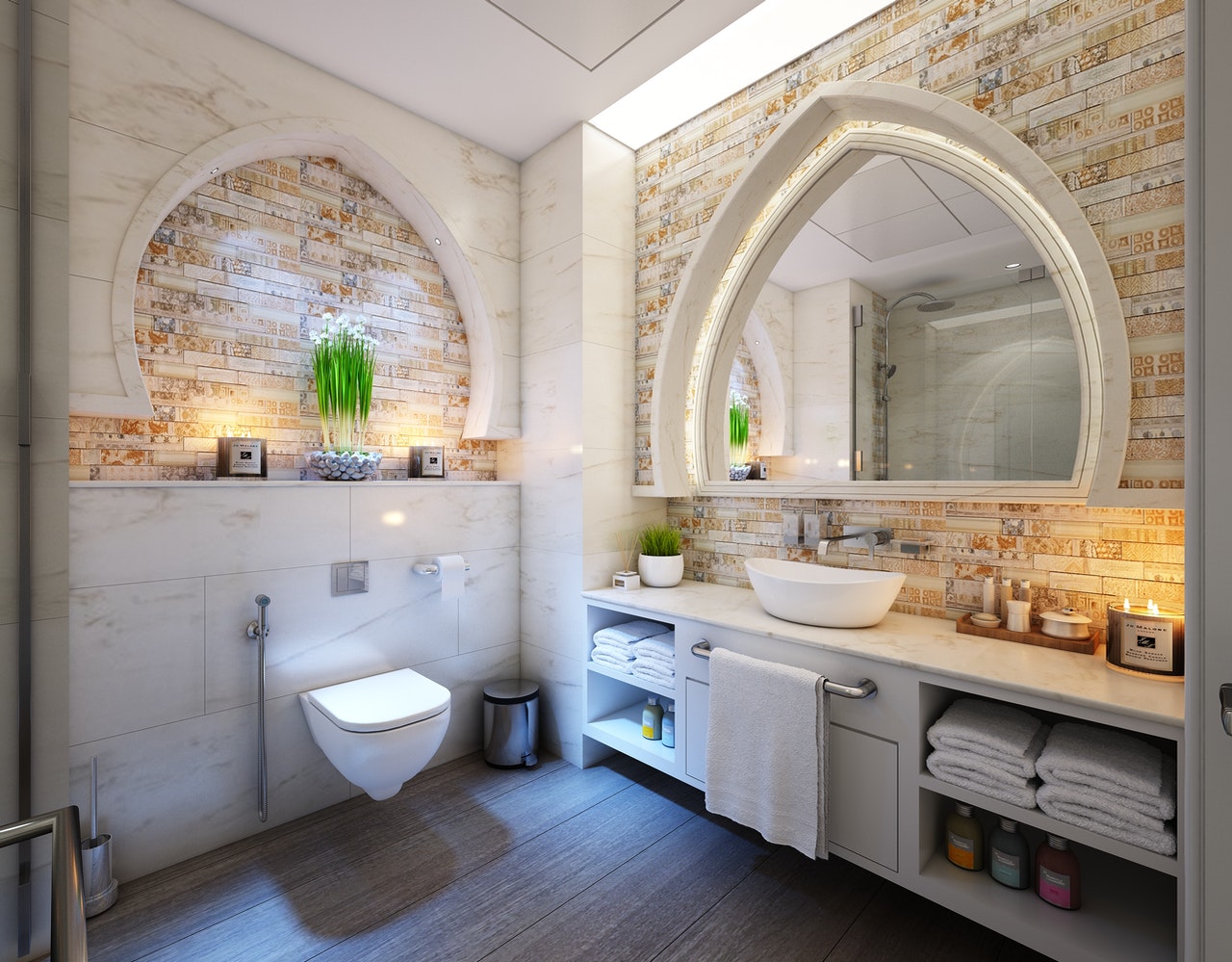
Updated October 2026. A practical plan for a healthier, cleaner bathroom: humidity targets, fan habits and a cleaning routine, based on EPA and ENERGY STAR guidance read October 29, 2026.
A healthy bathroom comes down to moisture. Keep indoor humidity between 30% and 50%, the range the EPA calls ideal as of October 2026, run the fan or open a window every time you shower, and dry any leak within 24 to 48 hours. Add a simple daily, weekly and monthly cleaning routine, and mold rarely gets a foothold.
Jump to: 💲 Humidity targets · 🏠 Ventilation · 📸 Mold · ⏱️ Cleaning routine · 🤝 Before you sell · ❓ FAQ
Key takeaways
- Aim for 30% to 50% relative humidity and stay under 60%, per the EPA. A $10 to $50 meter tells you where you are.
- Dry leaks and spills within 24 to 48 hours; in most cases mold won’t grow.
- Mold patches under about 10 square feet are usually a DIY job; bigger areas need a pro.
- ENERGY STAR certified ventilation fans use about 48% less energy than standard models and run quieter.
Looking for quick, low-cost upgrades like new hardware or paint instead? That’s covered in our guide on how to easily improve your bathroom. This one is about keeping the room healthy.
What humidity should a bathroom be?
The EPA’s guidance is to keep indoor humidity below 60%, and ideally between 30% and 50%. A bathroom will spike well above that during a hot shower. That’s normal. What matters is how fast it comes back down.
Buy a small humidity meter. The EPA says they cost about $10 to $50 at hardware stores. Check it 20 to 30 minutes after a shower. If it’s still high, the room isn’t drying out, and that’s when mildew starts on grout and caulk.
Watch for the signs too. Fogged mirrors that stay fogged, water beading on the window or the toilet tank, peeling paint on the ceiling and a musty smell all point to too much moisture. If the whole house feels damp, a dehumidifier or your air conditioner can help, which the EPA also recommends.
How do you ventilate a bathroom properly?
The EPA’s advice is simple: run the bathroom fan or open the window when showering. Here’s how to make that work in practice.
- Turn the fan on when you start the shower, not when you finish.
- Leave it running after you’re done until the mirror clears. A timer switch makes this automatic.
- Check that the fan actually pulls air: hold a tissue to the grille and see if it sticks.
- Make sure the duct goes outside, not into the attic, where it can cause moisture damage.
- Clean the grille every few months. Dust cuts airflow.
If your fan is loud, you’ll avoid using it. Replacing it is a small job that pays back. ENERGY STAR says certified ventilation fans use about 48% less energy than standard models, with less noise, and the ones with lighting use 70% less energy on average.
No fan at all? Open the window, leave the door open after showering and squeegee the walls. Then talk to an electrician about adding one.
How do you deal with bathroom mold?
The EPA’s main rule is that mold control is moisture control. Clean the mold, but also fix whatever keeps the area wet, or it comes back.
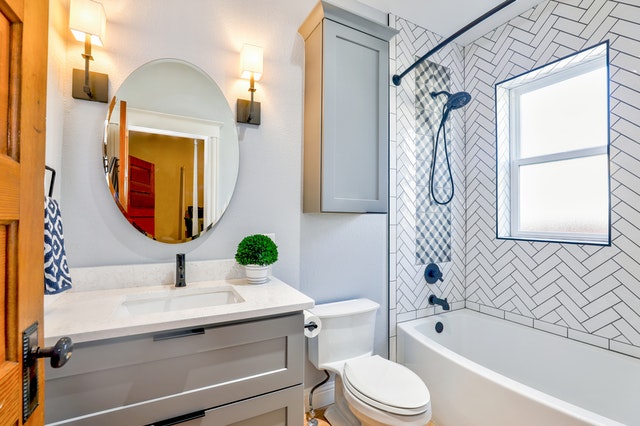
For size, the EPA draws the line at about 10 square feet, roughly a 3-by-3-foot patch. Under that, most people can clean it themselves. Over that, or after a lot of water damage, bring in a professional. If you have health concerns, talk to a doctor before you start.
For small spots, the EPA says to scrub mold off hard surfaces with detergent and water, then dry them completely. Wear gloves and keep the room ventilated. Don’t paint or caulk over mold, the EPA adds: clean and dry the surface first, or the new layer is likely to peel. Old caulk that’s stained deep inside is usually easier to cut out and replace. Read the label on any cleaner, and never mix bleach with ammonia; bleach labels warn against it.
The EPA also notes that some always-damp spots, like shower corners, are hard to keep fully mold-free. More ventilation and more frequent cleaning usually keep it to a minimum. For mold elsewhere in the home, see our guide to preventing mold growth. If the cause is a leak, start with how to get rid of water damage inside a house.
What cleaning routine keeps a bathroom healthy?
You don’t need hours. You need a rhythm. Here’s one that works for a family bathroom.
Sell smarter
List your home on the MLS from $99
A flat fee instead of a percentage, and $0 to Beycome at closing. You stay in control of your sale.
Sell your home →Buy smarter
Get up to 2% back at closing
On homes listed by other agents, Beycome credits you up to 2% of the price at closing (1% kept, $1,499 minimum; not on FSBO homes or homes listed by Beycome sellers).
Buy a home →| How often | Task | Why it matters |
|---|---|---|
| Daily | Squeegee shower walls, hang towels flat, wipe the sink | Removes the water mold needs |
| Daily | Run the fan during and after showers | Brings humidity back down |
| Weekly | Clean the toilet, sink, tub and floor; wash bath mats and towels | Stops grime and soap scum building up |
| Weekly | Disinfect handles, faucets and the flush lever | The most-touched surfaces |
| Monthly | Scrub grout, wash the shower curtain liner, clean the fan grille | Where mildew hides |
| Twice a year | Check caulk and grout, look under the sink for leaks | Catches water damage early |
Don’t forget the toilet tank. A silent leak keeps the bowl wet and wastes water around the clock. The EPA’s test is easy: put a few drops of food coloring in the tank, wait 10 minutes without flushing, and see if color shows up in the bowl. If it does, the flapper is likely worn. The EPA suggests checking it now and then and replacing it at least every five years. It’s a cheap part and a 15-minute job, and our guide to fixing a leaking sink covers the vanity side.
A steam trick helps with tiles. Spray your cleaner on the walls, run the hot shower for about five minutes with the door closed, then leave for 20 minutes and wipe everything down. The steam loosens grime so you scrub less. Then open the window and run the fan.
Good light helps you clean better, too. You can’t wipe what you can’t see, and a dim bathroom hides mildew in corners. Apartment Therapy has easy ideas on Lighting that apply well to small bathrooms.
Keep clutter low, so surfaces dry. Wall baskets for towels free up the counter. Electronics and devices, like a digital scale, last longer away from the shower’s spray; if you’re replacing one, AWScales sells bathroom scales among its digital models. For the rest of the house, see four helpful ways to keep your home clean and why you should clean your house regularly.
What should you fix in the bathroom before selling?
Buyers notice bathrooms. A musty smell, black grout or a stained ceiling suggests a moisture problem, even if it’s only a weak fan. Inspectors check fans, look for soft floors near the toilet and test for leaks under the vanity.
Before listing, fix the fan, re-caulk the tub, regrout if needed, and replace worn mats and towels. Bright, clean photos of the bathroom help your listing. Our home staging tips and our guide on how to prepare your property for sale cover the rest. If you’re redoing a shower, our piece on how modern glass installations enhance property value is worth a read.
When you’re ready, list on the major home search sites and the MLS with Beycome from $99. You keep control of price and showings. Here’s how the flat fee listing works.
Healthy bathroom questions
What humidity level prevents mold in a bathroom?
The EPA recommends keeping indoor humidity below 60%, ideally between 30% and 50%. Showers raise it briefly; ventilation should bring it back down.
How long should I run the bathroom fan after a shower?
Until the mirror clears and the room feels dry, often 20 minutes or more. A timer switch makes it easy.
Can I clean bathroom mold myself?
Usually, if the area is under about 10 square feet, according to the EPA. Larger areas or mold after major water damage call for a professional.
Why does mold keep coming back in my shower?
The area stays damp. More ventilation, a daily squeegee and more frequent cleaning usually keep it down, and moldy caulk should be replaced.
How often should I clean my bathroom?
Quick wipes daily, a full clean weekly, grout and the curtain liner monthly, and a leak and caulk check twice a year.
Can I caulk or paint over bathroom mold?
No. The EPA says to clean the mold and dry the surface first; paint applied over moldy surfaces is likely to peel.
Humidity, drying-time and mold-size guidance from EPA pages, and fan figures from ENERGY STAR, all read October 29, 2026. Beycome Basic is $99 as of October 2026. General information, not medical, remediation or legal advice.
Sources
- EPA, A Brief Guide to Mold, Moisture and Your Home, read October 29, 2026.
- EPA, Mold Cleanup in Your Home, read October 29, 2026.
- EPA WaterSense, Fix a Leak Week, read October 29, 2026.
- ENERGY STAR, Ventilation Fans, read October 29, 2026.
- Beycome, listing package features, October 2026.
Disclosure & Disclaimer
Beycome provides real estate services through affiliated licensed brokerages and has a commercial interest in the services and business models discussed on this blog. Content reflects Beycome’s perspective and may promote our services; it should not be treated as independent or neutral reporting.
Articles are provided for general informational and educational purposes only, not as financial, tax, legal, or investment advice or a recommendation for your particular situation. Reading this blog does not create a brokerage, advisory, or other professional relationship.
Information, opinions, pricing, service descriptions, and comparisons reflect the sources and information available when an article was published or last updated and may change. Although we aim for accuracy, we do not guarantee that all content is complete, current, or applicable to your circumstances. Laws, market conditions, and service availability vary by location. Examples and estimated savings are illustrative, depend on stated assumptions, and do not guarantee individual results.
Verify relevant information directly and consult qualified professionals before making decisions. Beycome services are subject to applicable agreements, eligibility requirements, and state-specific terms.
