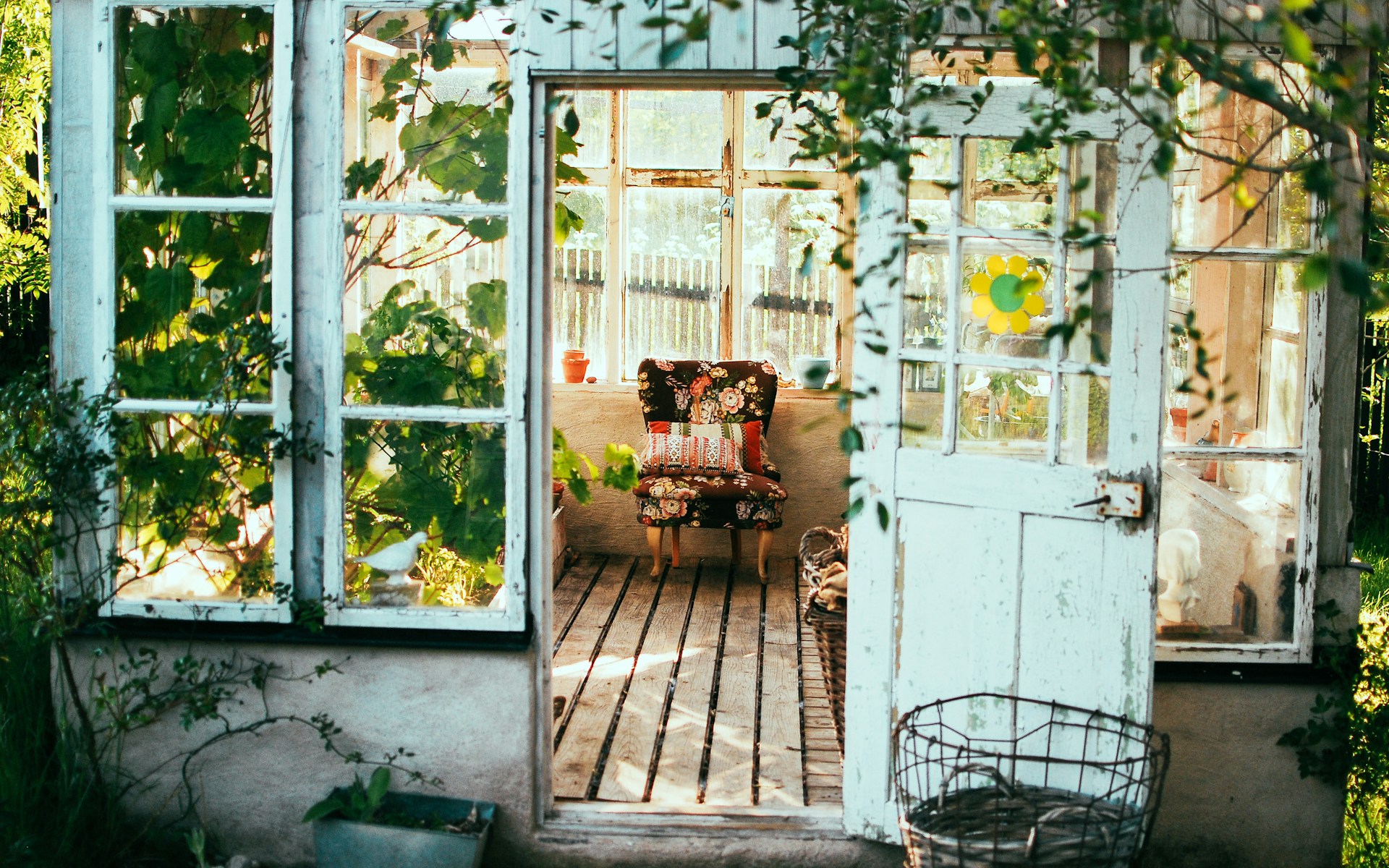
Imagine the Ultimate Backyard Retreats where you have a personal refuge filled with hanging flowering pots, organizers stockpiled with crafting materials, and gardening tools mounted atop weathered oak walls. Rays of early morning sunshine stream through the glass windows and French doors of your new customized timber garden workshop studio, providing creative inspiration in an idyllic outdoor oasis steps from home.
Garden workshops embody the apex of multi-functional spaces, intermixing greenhouse plant care capabilities with practical storage utility. This garden workshop buyer’s guide walks you through every key consideration for your project. It helps you choose the right use cases, layouts, and materials for your space.
It also explains regulations and installation steps so you can build a personalized backyard retreat for your passions.
Top Reasons Homeowners Are Adding Garden Workshops
Before detailing garden workshop considerations, first, understand what draws homeowners to invest in these accessory backyard dwellings:
More Space for Pursuing Passions: Garden workshops provide conduits for engaging hobbies without cluttering primary living quarters by consolidating messier activities into separate zones.
Multi-functional Utility: Workshops allow both growing plants to be assisted by electrical light fixtures plus organizing seasonal tools, furniture and recreational gear in a secure consolidated shelter rather than multiple sheds.
Design Flexibility: Unlike restrictive garages or pool houses, workshops offer limitless customization indoors and out to match specialized functionality beyond generic detached buildings.
Property Value Enhancements: Upgrading unused land pockets with creative buildings demonstrates maximizing lot usage appeal sought by future homebuyers.
Garden workshops empower pursuing wide-ranging personal and family interests through flexibility unmatched by traditional storage solutions. Whether your dream multipurpose space leans more towards botanical nurturing art studio escapes or everything in between, the customized design and utility possibilities are endless.
Key Garden Workshop Uses & Planning Considerations
The first step towards manifesting your ultimate garden workshop is outlining intended usages that significantly influence planning factors from spatial requirements to amenities necessities.
Gardening Center – For avid gardeners, optimize plant growing conditions through added daylight via glass paneled walls, robust electrical support for grow lights, sinks/hoses for convenient watering, and windows that open, allowing ventilation regulation.
Art Studio Haven: Creative refuge seekers prioritize plentiful natural lighting, wall-mounted organizers for varied media storage, countertops to spread working canvases.
Storage Hub: Those needing consolidated storage gravitate towards maximizing floor area through stacked shelving units, clearance for more oversized seasonal furniture, utility cabinets and equal air circulation.
Secured Tool Storage: For housing expensive power tools or equipment vulnerable to weather damage, incorporate locking storage cabinets and peg boards.
Pet Housing: In addition to people activities, garden workshops allow safely securing pets outdoors through integrated wire-mesh enclosed adaptable spaces.
Covered Lounge Areas: Extend the workshop’s footprint, maximizing land usage, by attaching covered awning lounge spaces outfitted with cushioned chairs. This facilitates additional external recreational square footage to relax and chat with friends.
By centering design around specialized functionality buckets, garden workshops never constrain multi-tasking through tailored form factors reinforced with the right equipment integrating organically like purpose-built greenhouses or movable caddies.
Garden Workshops: Materials & Design Overview
While united by timber craftsmanship and rustic charm, customize aesthetic finishes selecting from a host of materials, fixtures, including:
Exterior Choices
Sell smarter
List your home on the MLS for $99
No listing agent, no 3% commission. Beycome handles your MLS listing so you keep more of what your home is worth.
Sell your home →Buy smarter
Get up to 2% back at closing
Buy any home with a Beycome agent and receive a rebate of up to 2% of the purchase price — paid to you at closing.
Buy a home →- Regional Pine Wood or Accoya® Cladding
- Double Doors vs Roll Up Garage Door Access
- Colorful Façade Paint Hues
- Cement Fiber Roof Shingles
- Wraparound Decks
Interior Options
- Polished Concrete vs Tile Flooring
- Vaulted Ceilings Structures
- Natural Oak Shelving
- Glass Window Greenhouse Sections
- Running Water Sinks & Safety Eyewash Stations
- Convective Electrical Heater Units
- Overhead LED Grow Lights
Space Requirements & Regulations
When allocating garden workshop size specs, first confirm your property’s detached structure building codes around aspects like:
Permitted District Maximums – If the specifications list defines sizing caps, scale plans accordingly, even allowing future expansion room.
Setback Minimums: Similarly account for mandated frontal, side and rear yard setbacks requiring gaps between buildings and barriers like fence lines while plotting placement.
Homeowners Associations – Neighborhood associations may publish aesthetic mandates around finishes and facade colors for cohesive curb appeal.
Foundation & Anchoring – Based on intended permanence length, integrate cement foundations securing builds despite weathering from appropriate anchoring and brackets.
Venturing beyond your specific area’s permitted constraints risks extensive reworking and fines. Verify limitations early when drafting initial concept plans.
Installing Garden Workshops
Now for the construction process – while some homeowners choose the ambitious DIY route to contain material costs leveraging YouTube tutorials, professional installation services ensure permitted codes adherence, inspected safety plus turnkey execution so you start utilizing completed buildings quicker through the following coordinated build phases:
Design Finalization & Approvals – Construction firms manage required document submissions to certify regulatory green lights.
Foundations, Framing & Shell Erection – Crews commence physical infrastructure aligned to your signed off schematics.
Interior Outfitting – Next comes the fun part of infusing personality through discussed cabinets, shelving, lighting, appliances to match specialized hobbies utility purposes.
Utility Integration – Lastly, electrical, water/irrigation and accessories like HVAC systems integrate activating full functionality.
While supporting home projects empowering self-sufficiency contains appeal, garden workshop creators like Norway-based assemble high-quality timber structures respecting sustainability standards.
Garden Office range spanning 100 to 360+ square feet options complete with double doors, insulated steel roofing and optional windows prepared for interior customization.
Conclusion
Your backyard represents valuable real estate with hidden potential limited solely by imagination. Constructing personalized detached garden workshops either leanly through gritty DIY ethos or conveniently using prefab shells enables manifesting flexible multi-use spaces aligned to family passions, storage necessities and gardening interests otherwise constrained by existing indoor arrangements.
You can build a detached garden workshop that fits your needs. Choose a DIY build if you enjoy hands-on projects or prefab shell if you want a faster path. Both options let you create a flexible space.
Your workshop can support hobbies, storage, and gardening. Indoor rooms often feel tight, but a garden workshop adds freedom.
Use this guide when you start planning your workshop.
Check your local backyard rules before you build and think about the features you truly need.
Pick materials that match your style and budget and smart planning helps you use your land well.
Soon, you can enjoy a new backyard space, ise it for creative projects or quiet escapes.
Store tools and hobby gear in one safe place. Grow herbs and vegetables right beside your workshop.
Build a space that brings joy to your home.