
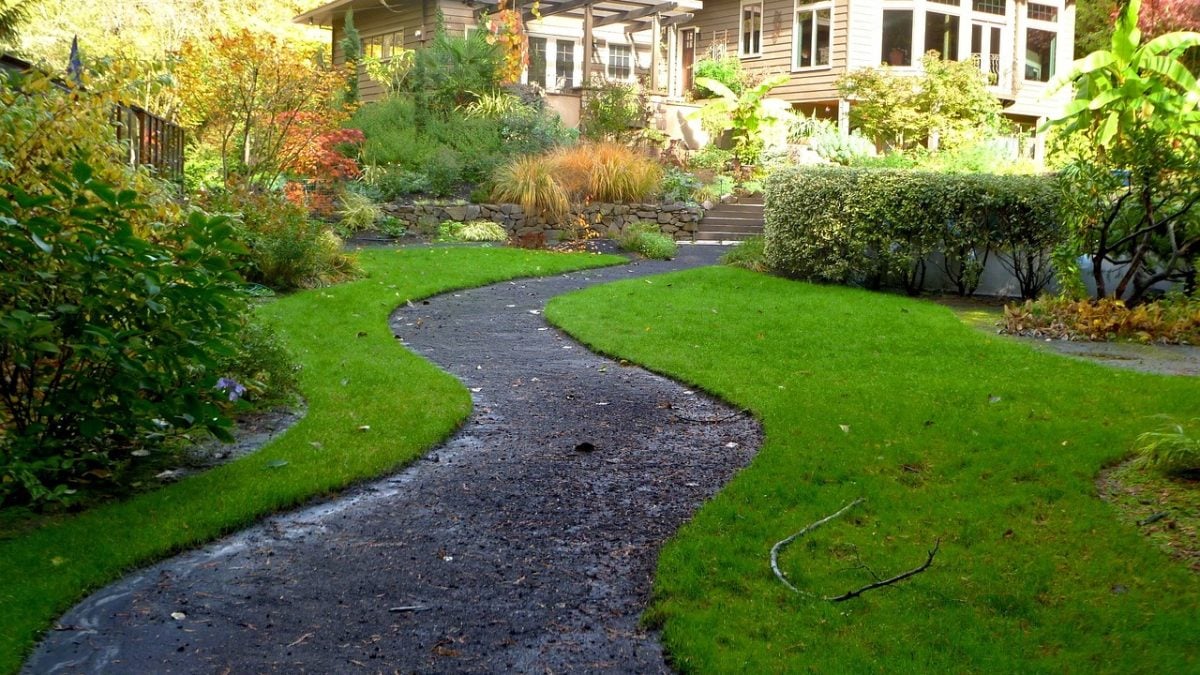
Updated October 2026. A first-year plan for redecorating the yard at a home you just bought: what to check before you dig, the front-of-house details that change the look fastest, and the bigger projects to schedule later. Sources read October 29, 2026.
Redecorate the yard on a new property in three passes: first check the rules and what’s underground, then refresh the front with paint, house numbers, lighting and plants for your zone, then plan bigger projects like a patio or fence. As of October 2026, 811 is the free national call-before-you-dig service, and you should contact it a few business days before planting trees or setting fence posts.
Jump to: 🪜 Before you dig · 🏠 Front details · 📍 Plants & zone · ⏱️ Bigger projects · 💲 Value · ❓ FAQ
Key takeaways
- Contact 811 a few business days before any digging, even for a tree, a fence or a mailbox post (call811.com).
- Pick plants by your USDA hardiness zone; the 2023 map uses 10°F zones and 5°F half zones.
- Large shade trees belong on the south, east and west sides of the house (Mississippi State Extension).
- Agents’ third most common prep advice to sellers was improving curb appeal, at 77% (NAR, 2025).
You’ve got the keys. The inside gets most of the attention in the first weeks, but the yard is what you see every time you pull into the driveway. The good news: a new yard is easier to change before you get used to it. The catch: you don’t know it yet. Spend one season watching it before you tear anything out.
What should you check before changing the yard?
Your survey and lot lines. Find the survey from your closing papers. It shows where your lot ends and where easements run. That matters for fences, sheds and big plantings.
HOA rules. If you have a homeowners association, read its rules on fences, paint colors, front-yard plants and structures before buying anything. Some need written approval first.
What’s underground. Call or click 811. It’s the free national before-you-dig service. You give the address, and local utilities mark the approximate location of buried lines with paint or flags. Call811.com says to contact it a few business days before any digging, including planting trees and shrubs or putting in fences and mailboxes.
Water and drainage. Watch where water goes after a hard rain. Puddles against the foundation are a job for grading or gutters, not flowers. Find the irrigation controller, if there is one, and test each zone.
Our list of things to do after moving into an old house covers the rest of the move-in checks.
Which small details change the front of the house fastest?
Start where visitors look first. These are weekend jobs:
- Paint the front door. A bold color gives the house personality without a big budget. Repaint the trim if it’s peeling.
- New house numbers. Large, readable numbers near the door or by the walkway. They help delivery drivers and first responders, too.
- Lighting. A new porch light and a few path lights make the house welcoming at night.
- Window boxes or hanging baskets. Color at eye level, easy to change each season.
- An awning over a door or window. It adds shade and shape to a flat facade.
Awnings come in more various styles than most people expect. A classic fabric awning softens a traditional house. Metal or wood suits a modern or rustic one. Check local rules and HOA approval before installing anything attached to the house.
For lighting, solar fixtures avoid running wire. Line the walkway with soft path lights, and point a couple of larger solar spotlights at a tree or the house numbers. Family Handyman’s guide shows how to build several styles of path lights yourself. Add a string of warm lights over a seating area for evenings.
How do you choose plants for a new yard?
Start with your zone. The USDA Plant Hardiness Zone Map is the standard tool for knowing which perennial plants are likely to survive where you live. The 2023 map is based on the average coldest winter temperature, shown as 10°F zones and 5°F half zones. Enter your ZIP code on the USDA site to get yours.
Then match the plant to the spot. Dry, hot areas favor drought-tolerant plants like succulents and ornamental grasses. Humid areas can support ferns and tropical plants. Read the tag for sun, water and mature size, and believe the mature size.
Quick wins in the first season:
- Trim overgrown shrubs back from windows, walkways and the roof.
- Edge the beds and add a fresh layer of mulch.
- Pull weeds from cracks in the walk and patio.
- Fill gaps with a few plants in one or two colors, repeated, instead of one of everything.
Trees take patience, but they pay you back. Mississippi State University Extension says large trees should go on the south, east and west sides of a home, and that shade from trees and plants can reduce air conditioning needs by up to 30%. Plant them far enough from the house and lines that the full-grown canopy and roots fit. That’s another reason to call 811.
For a planting-heavy refresh, our garden companion piece, redecorating your garden to make it more visually appealing, goes deeper on plant care.
Sell smarter
List your home on the MLS from $99
A flat fee instead of a percentage, and $0 to Beycome at closing. You stay in control of your sale.
Sell your home →Buy smarter
Get up to 2% back at closing
On homes listed by other agents, Beycome credits you up to 2% of the price at closing (1% kept, $1,499 minimum; not on FSBO homes or homes listed by Beycome sellers).
Buy a home →Which bigger yard projects should you plan for later?
After a season, you’ll know how you use the yard. Then plan the big pieces.
A deck or patio. More living space outdoors, and the thing many buyers picture first when they think of a nice outdoor area. Put it where you’ll actually sit: near the kitchen door, in afternoon shade. Our guides to choosing a deck builder and picking a deck design for your home’s style help with the details.
A fence. Privacy, a safe space for kids or dogs, and a cleaner look. Most towns need a permit, and many set height limits and setbacks from the lot line. Use your survey, call 811 before the post holes, and check HOA rules. For material ideas, see fence design and material trends.
A water feature. A small fountain or pond adds sound and movement. It doesn’t need to be big; a simple bubbling rock in a flower bed can do the job. Plan for a power outlet, and know that standing water needs care in summer.
More ideas for the back of the house: four ways to improve your backyard.
Do yard improvements add value to a home?
They help when you sell, mostly by making a strong first impression. In NAR’s 2025 Profile of Home Staging, the three most common prep tips agents gave sellers were decluttering (91%), cleaning the entire home (88%) and improving curb appeal (77%). Neat beds, a fresh door and working lights are cheap ways to get there.
Big projects like decks and fences are more about how you live than about the return. Do them because you’ll use them. Keep permits and receipts, since buyers ask.
When the time comes, Beycome lists your home on the major home search sites and the MLS from $99, with $0 due to Beycome at closing, and you can add new yard photos to the listing yourself anytime. See Beycome listing packages. Over 22,000+ homeowners have sold with Beycome, saving over $225 million (Beycome internal data, October 2026).
Still looking for the place with the right yard? The Beycome buyer program is open to every buyer on homes listed by other agents, with no upfront fee; the commission credit can’t apply where no buyer-agent commission is offered, like most FSBO homes, or on homes listed by Beycome sellers.
Yard redecorating questions
Where do I start redecorating the yard of a new house?
Check your survey, HOA rules and drainage, call 811 before digging, then refresh the front with paint, house numbers, lighting and plants. Plan big projects after one season.
Do I need to call 811 to plant a tree?
Yes. Call811.com says to contact 811 a few business days before any digging, including trees, shrubs, fences and mailboxes. The service is free.
How do I know which plants will grow in my yard?
Look up your USDA Plant Hardiness Zone by ZIP code, then match each plant’s sun, water and size needs to the spot.
Do I need a permit for a fence?
Often, yes. Many towns require a permit and set height and setback rules. HOAs may need approval too. Check before you buy materials.
Are solar path lights worth it?
For walkways and accents, they’re easy because there’s no wiring. They need direct sun to charge and are softer than wired lights.
Does curb appeal help sell a house?
It’s one of agents’ top prep tips: 77% recommended improving curb appeal to sellers in NAR’s 2025 staging report.
811 guidance from call811.com and zone details from the USDA Plant Hardiness Zone Map site, read October 29, 2026; local permit, setback and HOA rules vary. Tree shading figures from Mississippi State University Extension. Staging figures from NAR’s 2025 Profile of Home Staging press release. Beycome prices as of October 2026; “$0 at closing” means no Beycome fee at closing. Buyer program: Beycome keeps 1% of the price (minimum $1,499) and credits the rest of the buyer-agent commission at closing, subject to lender approval. General information only.
Sources
- 811, Before you dig, read October 29, 2026.
- USDA, 2023 Plant Hardiness Zone Map, read October 29, 2026.
- Mississippi State University Extension, Energy Savings (landscapes), read October 29, 2026.
- NAR, 2025 Profile of Home Staging press release, read October 29, 2026.
- Beycome, listing package features, October 2026.
Disclosure & Disclaimer
Beycome provides real estate services through affiliated licensed brokerages and has a commercial interest in the services and business models discussed on this blog. Content reflects Beycome’s perspective and may promote our services; it should not be treated as independent or neutral reporting.
Articles are provided for general informational and educational purposes only, not as financial, tax, legal, or investment advice or a recommendation for your particular situation. Reading this blog does not create a brokerage, advisory, or other professional relationship.
Information, opinions, pricing, service descriptions, and comparisons reflect the sources and information available when an article was published or last updated and may change. Although we aim for accuracy, we do not guarantee that all content is complete, current, or applicable to your circumstances. Laws, market conditions, and service availability vary by location. Examples and estimated savings are illustrative, depend on stated assumptions, and do not guarantee individual results.
Verify relevant information directly and consult qualified professionals before making decisions. Beycome services are subject to applicable agreements, eligibility requirements, and state-specific terms.

