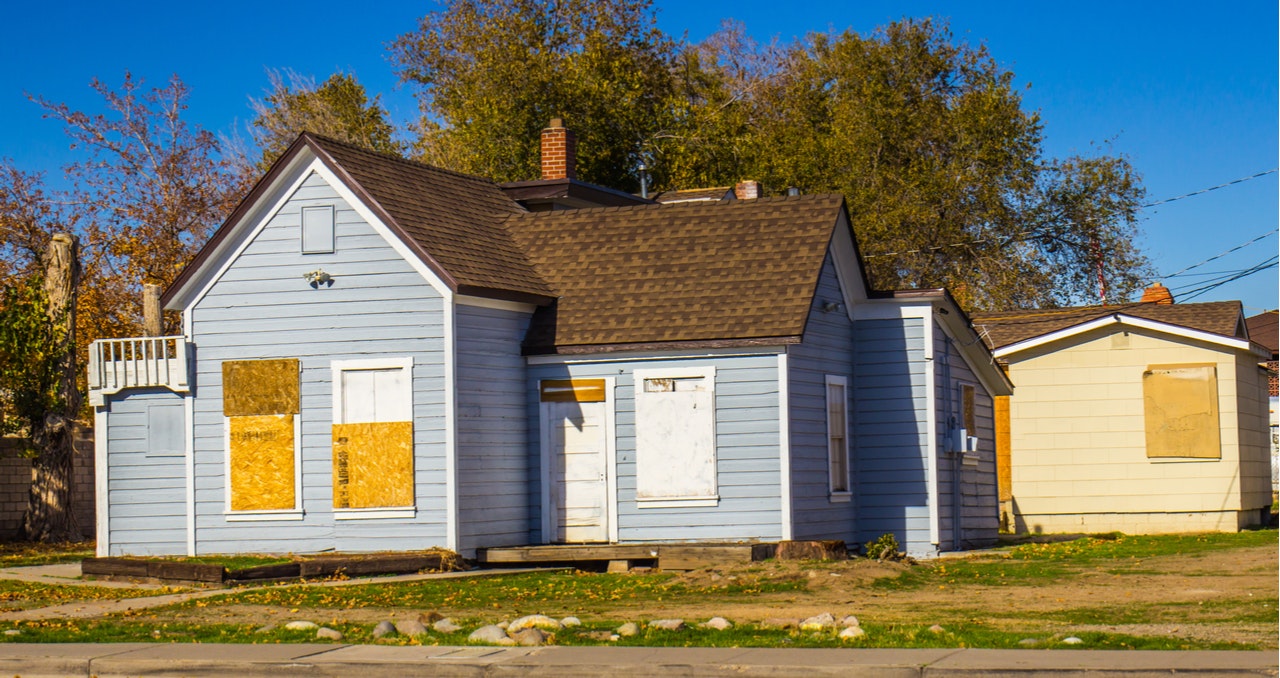
If you’re planning on selling a house in poor condition, there’s no one-size-fits-all solution. But there’s some good news too: You have plenty of options to consider.
Before committing to a course of action, it’s crucial to consider three factors:
- How bad your home’s condition is
- How quickly you need to sell
- Your financial goals
If you’re planning to sell a home in poor condition, there’s no one-size-fits-all solution. But there’s some good news too: You have plenty of options to consider.
Overall, homeowners who can afford to make repairs before listing their homes will generally net the most profit. But there are also options available for those who need to sell fast or who don’t want to make repairs.
Should I make repairs before selling?
The truth is: it depends.
Sell smarter
List your home on the MLS for $99
No listing agent, no 3% commission. Beycome handles your MLS listing so you keep more of what your home is worth.
Sell your home →Buy smarter
Get up to 2% back at closing
Buy any home with a Beycome agent and receive a rebate of up to 2% of the purchase price — paid to you at closing.
Buy a home →We spoke with experienced real estate agents who help their clients weigh the pros and cons of investing in repairs. They agreed that the best repair option will depend on a number of factors, including what’s standard in your neighborhood.
In general, repairs can be worthwhile when they bring your home up to the standards buyers expect in your area. For example, if every comparable listing has a kitchen that’s been updated in the past five years and yours dates back to the 1970s, an upgrade may help you compete.
If your home is uninhabitable in its current condition — for example, if it has a cracked foundation or faulty plumbing — a typical buyer may not be able to secure financing to buy it. These major repairs come with a hefty price tag, but they can dramatically expand the pool of potential buyers.
Hypothetical scenarios aside, your budget will ultimately dictate which repairs you can actually afford to complete before attempting to sell your home.