
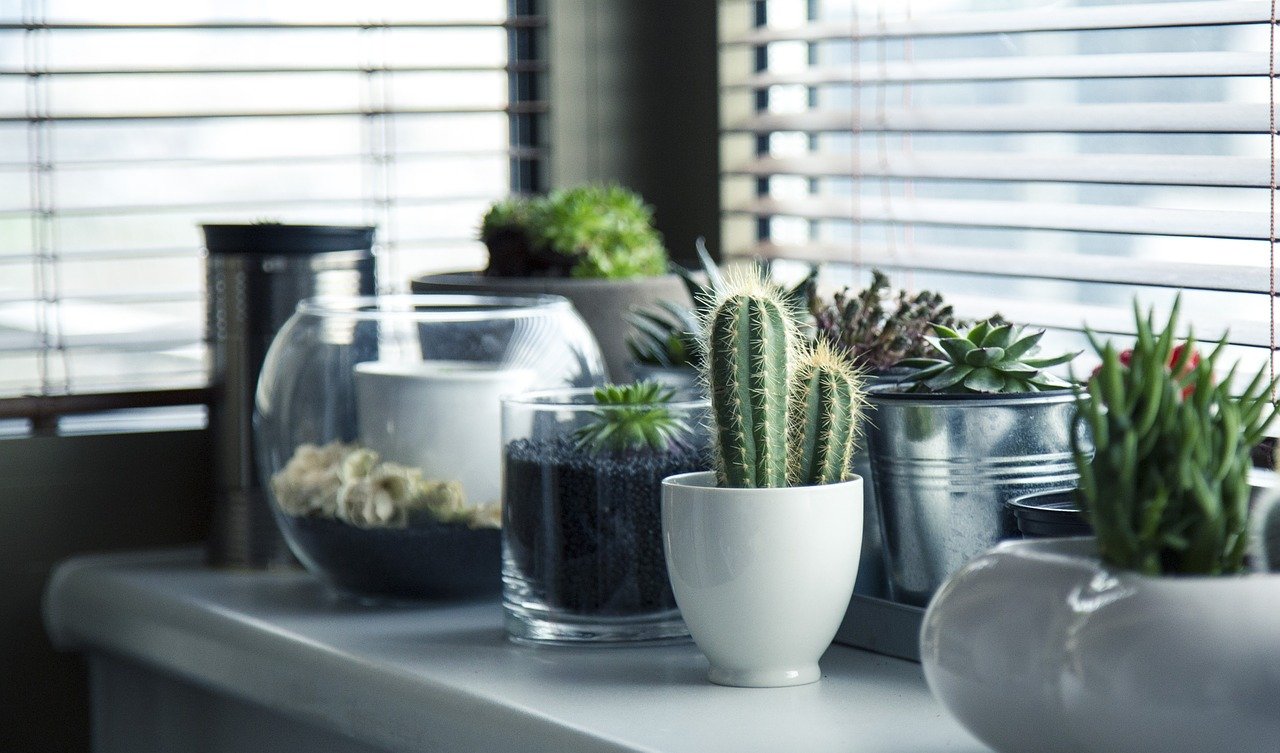
Updated October 2026. Care notes for six popular houseplants that need a little extra attention, which ones are toxic to pets (ASPCA), and how to handle plants when you show or move a home. Read October 29, 2026.
The household plants that need a little extra care are the ones fussy about light, water or warmth: spider plant, Rhaphidophora tetrasperma, Tradescantia zebrina, pothos, peace lily and red Aglaonema. As of October 2026, the ASPCA lists pothos and peace lily as toxic to dogs and cats, while the spider plant is non-toxic. Get light and watering right and most of these thrive.
Jump to: 🪜 Six plants · ⏱️ Care table · 🤝 Pets · 🏠 Pests · 📍 Showing and moving · ❓ FAQ
Key takeaways
- Most problems come from too much water or the wrong light, not from neglect.
- Pothos and peace lily are toxic to dogs and cats; spider plant is not (ASPCA).
- Tradescantia zebrina prefers 65 to 80°F and should stay above 55°F.
- California runs 16 border protection stations that check vehicles for pests, so plan before you move plants across state lines (CDFA).
Houseplants brighten a room and give you something living to look after. A 1989 report in a NASA study, “Interior Landscape Plants for Indoor Air Pollution Abatement,” tested how plants remove certain chemicals from the air in sealed chambers. A normal home is far from a sealed chamber, so treat cleaner air as a small bonus, not the reason to buy a plant. The real reasons are simpler: they look good and they’re nice to care for. Here are six that reward a bit of attention.
Which houseplants need a little extra care?
Spider plant. A rosette of long, thin, arching leaves, plain green or striped with white. It looks great in a hanging basket and was popular in Victorian homes. Water young plants often to help them establish, then moderately once grown. Keep the soil lightly moist in spring and summer and don’t let it dry out too fast. Keep the room at a steady temperature, and feed up to twice a month in the growing season without overdoing it.
Rhaphidophora tetrasperma. Its split leaves make people call it a mini monstera, but it isn’t one; it’s a separate genus in the same Araceae family. It stays compact, which makes it a good fit for smaller rooms. Rhaphidophora tetrasperma care is simple: bright, indirect light, a potting mix that drains well, and a balanced fertilizer once a month in the growing season. Give it a small trellis or moss pole if you want it to climb.
Tradescantia zebrina. Striped purple, green and silver leaves on trailing stems. It’s tough and grows almost anywhere indoors. Native to southern Mexico and Guatemala, it’s grown as an annual outdoors in cold climates. Place it near a window for compact growth and strong color; some direct sun helps. It likes 65 to 80°F and should stay above 55°F.
Pothos. Probably the easiest plant here, even if you forget to water. Heart-shaped leaves trail from shelves, often marbled with white, yellow or pale green. It tolerates low light and neglect, and pests are rare. Mealybugs are the usual exception; see the pests section below.
Peace lily. In the wild it grows on the forest floor, with dappled light and plenty of water. Copy that at home: bright, indirect light and evenly moist soil. With enough light it flowers white from early summer and can bloom year-round. Indoor plants reach about 16 inches; some outdoor types grow to 6 feet in mild, humid climates. It droops dramatically when thirsty and perks up after a drink.
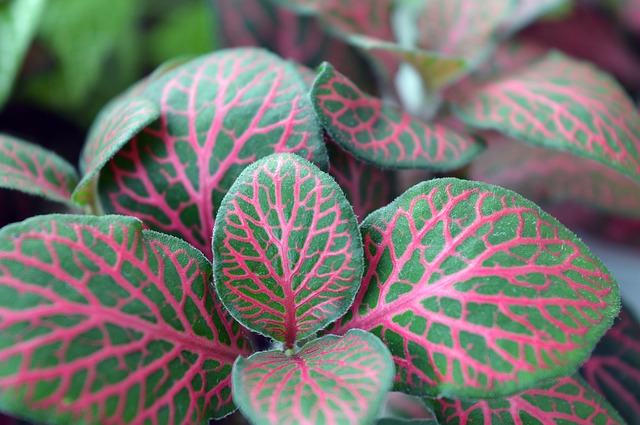
Red Aglaonema. The red ‘Siam Aurora’ has bright pink stems and red-edged leaves. It comes from humid, shady tropical forests in Asia, so it handles low to bright light, with the best color in medium light. It forgives a missed watering now and then.
How do you care for each plant? A quick table
| Plant | Light | Water | Safe for cats and dogs? |
|---|---|---|---|
| Spider plant | Bright, indirect | Moderate; moist in summer | Yes (ASPCA: non-toxic) |
| Rhaphidophora tetrasperma | Bright, indirect | When the top inch is dry | Not checked here; keep out of reach |
| Tradescantia zebrina | Bright, some direct | Moderate | Not checked here; keep out of reach |
| Pothos | Low to bright, indirect | Let it dry a bit | No (ASPCA: toxic) |
| Peace lily | Bright, indirect | Evenly moist | No (ASPCA: toxic) |
| Red Aglaonema | Low to medium | Moderate | Not checked here; keep out of reach |
The most common mistake with all six is overwatering. Push a finger into the soil. If the top inch is still damp, wait. Pots with drainage holes save a lot of plants. Damp soil and humid air can also feed mold in a home; our hacks for home moisture problems help keep it in check, and a good HVAC system keeps temperature and humidity steady.
Which of these plants are safe for pets?
Check before you bring a plant home if you have a cat or dog. The ASPCA’s plant database lists golden pothos and peace lily as toxic to both, because of insoluble calcium oxalates. Chewing them can cause mouth irritation, drooling, vomiting and trouble swallowing. The spider plant is listed as non-toxic to dogs and cats.
For the others, look them up in the ASPCA database by scientific name before you buy, and keep anything doubtful on a high shelf or in a hanging basket. If your pet eats a plant and seems unwell, call your vet or the ASPCA Animal Poison Control line.
Sell smarter
List your home on the MLS from $99
A flat fee instead of a percentage, and $0 to Beycome at closing. You stay in control of your sale.
Sell your home →Buy smarter
Get up to 2% back at closing
On homes listed by other agents, Beycome credits you up to 2% of the price at closing (1% kept, $1,499 minimum; not on FSBO homes or homes listed by Beycome sellers).
Buy a home →How do you deal with pests like mealybugs?
Mealybugs look like tiny white cotton tufts in leaf joints. The simplest fix is to dab each one with a cotton swab dipped in rubbing alcohol. For a bigger outbreak, you can treat the plant with insecticidal soap; Bob Vila’s guide shows how to make a gentle version at home. Isolate the plant until it’s clear, and check its neighbors.
Repotting or moving a plant outdoors for summer is a good time to inspect the roots, too. A small trowel is enough for most indoor repotting. For outdoor projects, see our six DIY garden projects, gardening tips to make greenery stand out and DIY gardening tricks for homeowners.
How do plants help when you show or move a home?
For showings and photos. A few healthy plants make a room feel fresh and cared for. One larger plant in a living room corner, a small one on the kitchen counter, and fresh greenery in the bathroom are plenty. Remove anything yellowing or leggy, and skip the crowded plant shelf; it reads as clutter. Our room-by-room staging checklist shows where greenery helps most.
For the move. Plants hate a hot moving truck. Move them in your car if you can, water them a couple of days before, and wrap pots so soil doesn’t spill. Crossing state lines takes more planning. California, for example, runs 16 border protection stations on major highways where vehicles are checked to keep pests out, according to the state Department of Food and Agriculture. Check the rules in the state you’re moving to before you pack. Our tips from pro movers help with the rest.
Getting ready to sell? A Beycome listing shows your home on the major home search sites and the MLS from $99, with $0 due to Beycome at closing. See the flat fee MLS listing packages.
Houseplant care: questions
Which houseplants are easiest to keep alive?
Pothos is the most forgiving of these six, followed by red Aglaonema and the spider plant. All handle a missed watering.
Are pothos and peace lilies toxic to cats and dogs?
Yes. The ASPCA lists both as toxic to dogs and cats. Keep them out of reach or choose a spider plant, which it lists as non-toxic.
Is Rhaphidophora tetrasperma a monstera?
No. It’s often called a mini monstera because of its split leaves, but it belongs to a different genus in the same family.
Do houseplants really clean the air?
NASA’s 1989 report tested plants in sealed chambers. In a normal home the effect is small, so treat cleaner air as a bonus.
How do I get rid of mealybugs on a houseplant?
Dab them with a cotton swab dipped in rubbing alcohol. For more, use insecticidal soap and keep the plant apart until it’s clear.
Can I take houseplants when I move to another state?
Often, yes, but rules vary. California, for one, checks vehicles at 16 border stations. Look up your new state’s rules before you pack.
Pet safety is from the ASPCA’s toxic and non-toxic plant list; check every plant you own by scientific name. Border station details are from the California Department of Food and Agriculture. Plant care varies with your home’s light and humidity. General information only.
Beycome prices as of October 2026: Basic $99, Enhanced $399, Concierge $999 until November 2, 2026 (list price $1,399). From November 2, 2026, Concierge is $1,399 and Basic is $129 in California and Illinois. “$0 at closing” means no Beycome fee at closing; other closing costs still apply.
Sources
- NASA Technical Reports Server, Interior Landscape Plants for Indoor Air Pollution Abatement (September 15, 1989), read October 29, 2026.
- ASPCA, Golden pothos, read October 29, 2026.
- ASPCA, Peace lily, read October 29, 2026.
- ASPCA, Spider plant, read October 29, 2026.
- California Department of Food and Agriculture, Border Protection Stations, read October 29, 2026.
- Bob Vila, How to make insecticidal soap, read October 29, 2026.
Disclosure & Disclaimer
Beycome provides real estate services through affiliated licensed brokerages and has a commercial interest in the services and business models discussed on this blog. Content reflects Beycome’s perspective and may promote our services; it should not be treated as independent or neutral reporting.
Articles are provided for general informational and educational purposes only, not as financial, tax, legal, or investment advice or a recommendation for your particular situation. Reading this blog does not create a brokerage, advisory, or other professional relationship.
Information, opinions, pricing, service descriptions, and comparisons reflect the sources and information available when an article was published or last updated and may change. Although we aim for accuracy, we do not guarantee that all content is complete, current, or applicable to your circumstances. Laws, market conditions, and service availability vary by location. Examples and estimated savings are illustrative, depend on stated assumptions, and do not guarantee individual results.
Verify relevant information directly and consult qualified professionals before making decisions. Beycome services are subject to applicable agreements, eligibility requirements, and state-specific terms.
