
Updated October 2026. What basement waterproofing actually fixes, how to spot a moisture problem first, and what a wet basement means when you sell, with EPA moisture guidance read October 29, 2026.
Waterproofing a basement improves living conditions by keeping water out, and that stops most mold, musty odors and pest problems at the source. The EPA’s moisture guide, read October 2026, says if wet areas dry within 24 to 48 hours, mold usually won’t grow, and indoor humidity should stay below 60%, ideally 30% to 50%.
Jump to: 🔍 Signs of water · 🏠 How it helps · 🪜 Options · 💲 Before you hire · 🤝 If you sell · ❓ FAQ
Key takeaways
- Dry leaks and spills within 24 to 48 hours and mold usually won’t grow (EPA).
- Keep basement humidity under 60%, ideally 30% to 50%; a meter costs about $10 to $50 (EPA).
- A moldy patch under about 10 square feet is usually a do-it-yourself cleanup; bigger jobs need a pro (EPA).
- If you sell, known water problems go on your state’s disclosure form, fixed or not.
How do you know your basement has a water problem?
Your nose often knows first. A musty smell that won’t leave is moisture working somewhere. Look for these too:
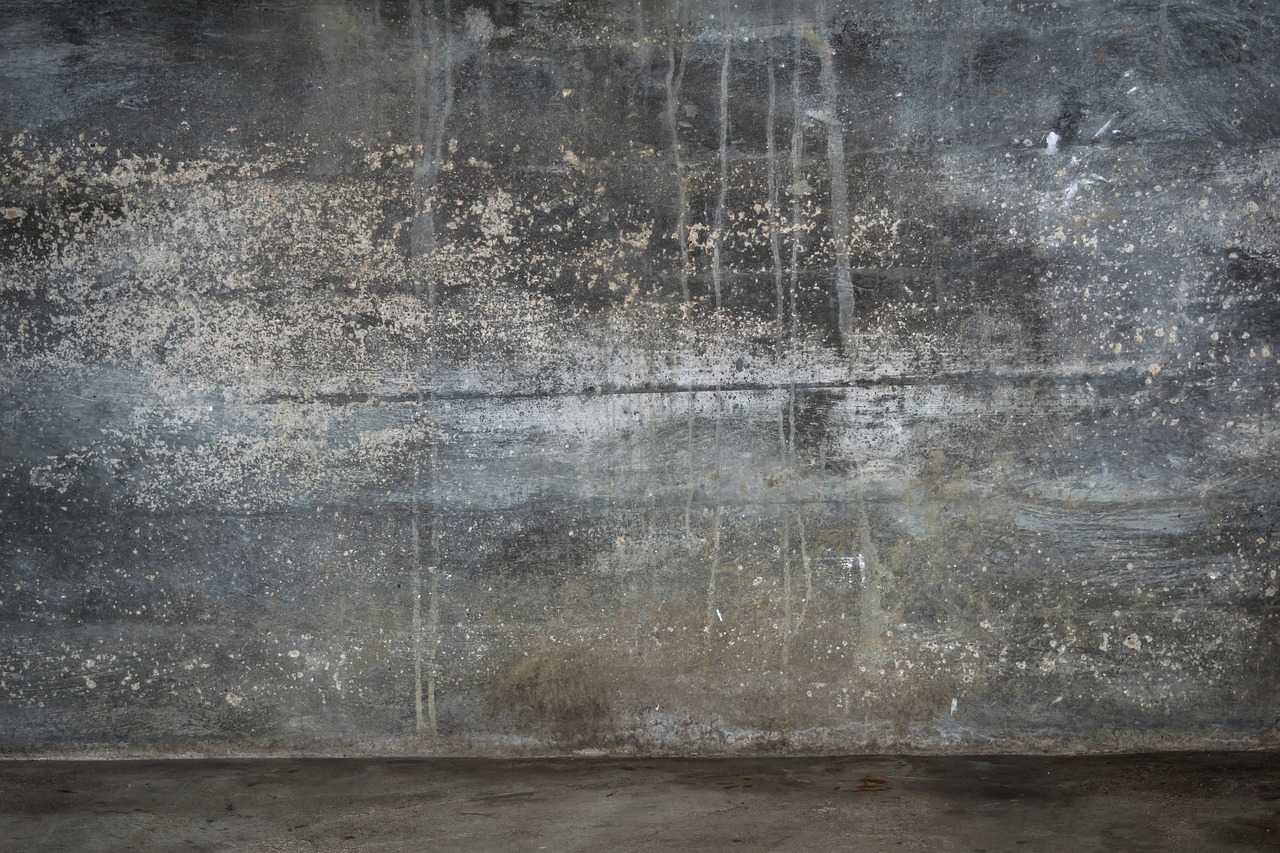
- White, chalky streaks on concrete walls, called efflorescence.
- Damp spots that come back after rain.
- Peeling paint, rust on metal legs or nail heads, swollen baseboards.
- Condensation on cold pipes or windows.
- Puddles near the floor drain or along the wall-floor joint.
Buy a cheap humidity meter. The EPA says they run about $10 to $50 at hardware stores. Leave it in the basement for a week. If it reads above 60% most days, you have work to do even without visible water.
Is it a leak or just condensation?
It matters, because the fixes are different. Water can come through the wall from outside, or it can form on the wall from humid indoor air. A foil test tells you which.
Tape a square of aluminum foil, about a foot across, tight against a damp spot on the wall. Seal all four edges. Leave it for two days. Then peel it off and look.
- Wet on the room side: humid air is condensing on a cold wall. Start with a dehumidifier and better ventilation.
- Wet on the wall side: moisture is coming through the concrete. That’s a waterproofing job.
- Wet on both sides: you have both problems, which is common in older basements.
Timing helps too. Dampness that shows up a day after heavy rain points to runoff or groundwater. Dampness that peaks on muggy summer days with no rain points to condensation. The EPA also suggests venting dryers and other moisture-producing appliances outside, which matters a lot if your laundry is in the basement.
How does waterproofing improve living conditions?
Less dampness and mold. Mold needs moisture. The EPA puts it plainly: the key to mold control is moisture control. Waterproofing removes the source, so cleaning isn’t a monthly chore.
Fewer pests. Damp basements draw insects that love moisture, like silverfish, centipedes and termites, and the rodents that follow. Sealing cracks and keeping things dry cuts off both water and entry points. Our Pest Prevention Tips and Tricks for Keeping Bugs at Bay covers the rest of the house.
A warmer, drier home. Wet walls feel cold, and damp air feels chillier than dry air at the same temperature. Once water stays out, insulation works better and the space becomes usable. That’s when a basement turns into a guest room, office or gym. See how a comfortable basement boosts your home’s value.
No more bad odors. Musty smells come from mold and mildew. They travel upstairs through ducts and stairwells. Fix the water and the smell fades, usually within weeks.
What are the main waterproofing options?
Start outside, because that’s the cheapest place to stop water. The EPA’s guide tells homeowners to clean and repair gutters and make sure the ground slopes away from the foundation. Extend downspouts several feet from the house. A lot of “basement leaks” end right there.
| Fix | What it does | Good for |
|---|---|---|
| Gutters, downspouts, grading | Sends rainwater away from the walls | Every home, first step |
| Dehumidifier | Pulls moisture from the air | Humid basements with no leaks |
| Crack injection | Seals cracks in poured walls | A few leaking cracks |
| Interior drain and sump pump | Collects water at the footing and pumps it out | High water tables, recurring seepage |
| Exterior membrane | Seals the outside of the foundation | Serious, repeated leaks |
Interior sealer paint alone rarely fixes real water pressure. It can help with light dampness, but water coming through the wall will push past it.
If a leak already damaged floors or drywall, our Tips And Tricks On How To Deal With Water Damage In Your Home walk through cleanup. The EPA says a moldy area under about 10 square feet is usually a job you can handle yourself; beyond that, or after major water damage, call a professional.
Sell smarter
List your home on the MLS from $99
A flat fee instead of a percentage, and $0 to Beycome at closing. You stay in control of your sale.
Sell your home →Buy smarter
Get up to 2% back at closing
On homes listed by other agents, Beycome credits you up to 2% of the price at closing (1% kept, $1,499 minimum; not on FSBO homes or homes listed by Beycome sellers).
Buy a home →What should you check before hiring a contractor?
Get two or three quotes, and ask each contractor to explain where the water comes from. A good one will look at your gutters and grading before selling you a drain system. Ask about the warranty terms in writing, whether it transfers to a buyer, and who services the pump.
If the plan includes a sump pump, ask about a battery backup. The storms that fill a sump pit are often the same ones that knock out power. Ask, too, where the discharge pipe will end; water pumped out next to the foundation just comes back in. Once it’s installed, pour a bucket of water into the pit every few months to make sure the pump kicks on. It takes two minutes and beats finding out during a storm.
Local experience counts, because soil and water tables vary a lot. In clay-heavy southeast Michigan, for example, homeowners often hire a basement waterproofing company that knows Detroit-area foundations. Wherever you live, check licensing and reviews before you sign.
If waterproofing is part of a bigger project, The Ultimate Guide To House Remodeling: Top 3 Tips helps you plan the order. A dry basement also matters for rentals; see Enhancing Rental Property Appeal with Smart Storage Solutions for ideas once the space is usable.
What does a wet basement mean when you sell?
Buyers’ inspectors check basements closely. A fresh coat of paint over water stains won’t fool them, and it can cost you the buyer’s trust. Most state seller disclosure forms ask about past and present water problems. List what you know, what you fixed, and when. Keep the invoices and any warranty paperwork in a folder for buyers.
A documented fix is a selling point. “Interior drain and sump installed in 2025, transferable warranty” reads very differently from “some dampness in spring.” If you bought a home with problems the seller didn’t mention, our guide to handling a home that still needs fixes explains your options.
When you’re ready to sell, a flat fee MLS listing with Beycome puts your home on the major home search sites and the MLS from $99, with $0 due to Beycome at closing. In Michigan, Ohio, Illinois and Indiana, Beycome Title starts November 2, 2026 (Michigan $199 with prepaid pricing); Florida and Texas closings are available today.
Basement waterproofing: questions
Does waterproofing a basement stop mold?
It removes the main cause. The EPA says mold usually won’t grow if wet areas are dried within 24 to 48 hours, so keeping water out is the best prevention.
What humidity should a basement be?
Below 60%, and ideally 30% to 50%, according to the EPA’s moisture guide.
Can I waterproof a basement myself?
Gutters, downspout extensions, grading and a dehumidifier are DIY jobs. Drains, sump pumps and exterior membranes usually need a contractor.
Does a dry basement help when selling?
Yes. It avoids a common inspection issue, and a documented repair with a transferable warranty reassures buyers. Disclose past water problems either way.
How long does basement waterproofing last?
It depends on the method and upkeep. Gutters need cleaning every season, and pumps need testing. Ask the contractor for the warranty terms in writing, including whether they transfer to a buyer.
Do I have to disclose a past basement leak?
In most states, yes, if you know about it. State disclosure forms usually ask about water intrusion. Rules vary by state, so read your form carefully.
Prices as of October 2026: Basic $99, Enhanced $399, Concierge $999 until November 2, 2026 (list price $1,399); from November 2, 2026, Concierge is $1,399 and Basic is $129 in California and Illinois. “$0 at closing” means no Beycome fee at closing; other closing costs and taxes still apply. Beycome lists in 17 states and DC.
Beycome Title: Florida and Texas today; Michigan, Ohio, Illinois and Indiana starting November 2, 2026. General information, not engineering or legal advice.
Sources
- EPA, A Brief Guide to Mold, Moisture and Your Home, read October 29, 2026.
- Beycome, listing package features, October 2026.
Disclosure & Disclaimer
Beycome provides real estate services through affiliated licensed brokerages and has a commercial interest in the services and business models discussed on this blog. Content reflects Beycome’s perspective and may promote our services; it should not be treated as independent or neutral reporting.
Articles are provided for general informational and educational purposes only, not as financial, tax, legal, or investment advice or a recommendation for your particular situation. Reading this blog does not create a brokerage, advisory, or other professional relationship.
Information, opinions, pricing, service descriptions, and comparisons reflect the sources and information available when an article was published or last updated and may change. Although we aim for accuracy, we do not guarantee that all content is complete, current, or applicable to your circumstances. Laws, market conditions, and service availability vary by location. Examples and estimated savings are illustrative, depend on stated assumptions, and do not guarantee individual results.
Verify relevant information directly and consult qualified professionals before making decisions. Beycome services are subject to applicable agreements, eligibility requirements, and state-specific terms.

