
Updated October 2026. Humane ways to keep rabbits, raccoons, squirrels and iguanas out of your yard, Florida’s iguana rules, and why a clean, pest-free yard matters when you sell.
To keep wild animals away from your yard, take away what they want: food, water and cover. Pick up fallen fruit, lock trash lids, fill holes, trim low branches and fence the garden. In Florida, green iguanas are an invasive species; males can pass five feet and 17 pounds, and FWC says they can be humanely killed on private property with the landowner’s permission. Native wildlife has stricter rules.
Jump to: 🏠 Why they come · 🪜 Steps that work · 📍 Florida iguanas · ⏱️ Repellents · 💲 Yard and resale · ❓ FAQ
Key takeaways
- Most yard visitors come for food: fruit, pet bowls, bird seed, compost and open trash.
- Green iguanas have been on Florida’s Prohibited species list since April 29, 2021, per FWC.
- FWC calls trapping, moving or killing native wildlife a last resort, after other steps fail.
- A tidy yard helps when you sell: buyers judge the outside first, and pest damage shows up in inspections.
Even with a fence, small animals find their way in. Rabbits, squirrels, rodents and raccoons can take a big share of a vegetable garden overnight. In South Florida, iguanas add their own problems. The good news: most of the fixes are cheap, and they work on almost every animal at once.
Why do wild animals come into your yard?
Animals go where life is easy. A yard with fallen fruit, a pet bowl on the patio and a pile of lumber to hide under is a buffet with a hotel attached. Take away food, water and shelter, and most visitors move on.
| Animal | What draws it | Best first fix |
|---|---|---|
| Rabbits | Young plants, lettuce, clover | Low wire fence, buried a few inches |
| Squirrels | Bird seed, nuts, fruit | Squirrel-proof feeders, pick up fruit |
| Raccoons | Trash, pet food, compost | Locking lids, feed pets indoors |
| Rodents | Seed, clutter, woodpiles | Clear clutter, store wood off the ground |
| Iguanas (Florida) | Flowers, fruit, sunny burrow spots | Remove fruit, fill holes, protect plants |
What are the best ways to keep animals out of your yard?
Don’t feed them, even by accident
Never feed wild animals on purpose, however cute. Being friendly brings them back with friends. If you feed pets outside, the leftovers will attract visitors, so feed them indoors. After a snack on the patio, clear every crumb and piece of fruit.
Remove dropped fruit
Low-hanging and fallen fruit are easy meals. Pick fruit when it’s ripe, rake up drops every day or two, and trim branches that hang low. Compost in a closed bin, not an open pile.
Lock down the trash
Keep cans in the garage or a shed, or use lids that lock. A cinder block on the lid stops most raccoons. Rinse cans now and then so they don’t smell like dinner.
Fill holes and clear hiding spots
Fill any hole you see with rocks and soil, then top it with sod. Animals may try to dig again, but rocks make it hard. Move stored building materials into the garage, mow regularly and trim shrubs off the ground so there’s nowhere to hide.
Fence the garden
For a garden bed, a physical barrier beats any spray. You can use garden fences and wire nets to stop animals from getting in. For diggers like rabbits, bury the bottom of the wire a few inches. For a whole-yard view of the problem, see How To Get Rid Of Unwanted Animals From Your Property and 4 Ways to Keep Wildlife Out of Your Home.
How do you deal with iguanas in Florida?
Green iguanas aren’t native to Florida, and FWC treats them as invasive because of their impact on native wildlife. They can be green, brown or almost black. Males can grow over five feet and weigh up to 17 pounds; females can reach five feet but usually stay under seven pounds, per FWC.
They eat flowers and fruit, including hibiscus, berries, figs and tomatoes. They also dig burrows, which can loosen soil near walkways and seawalls. And a big one can whip its tail if cornered, so keep kids and pets back.
What does Florida law allow?
Like all nonnative reptiles, green iguanas aren’t protected in Florida except by the anti-cruelty law. FWC says they can be humanely killed on private property with the landowner’s permission. Since April 29, 2021, they’ve been on the state’s Prohibited species list, which limits keeping them alive. If you don’t want to handle it yourself, hire a professional nuisance wildlife trapper.
Native animals are different. FWC says trapping, relocating or killing native wildlife should be a last resort, only after other steps have failed and when an animal is causing real damage or a safety threat. Some species need permits or can’t be taken at all. When in doubt, call FWC before you act.
Sell smarter
List your home on the MLS from $99
A flat fee instead of a percentage, and $0 to Beycome at closing. You stay in control of your sale.
Sell your home →Buy smarter
Get up to 2% back at closing
On homes listed by other agents, Beycome credits you up to 2% of the price at closing (1% kept, $1,499 minimum; not on FSBO homes or homes listed by Beycome sellers).
Buy a home →Do homemade animal repellents work?
Store-bought iguana repellents get mixed reviews, and many owners make their own. A common recipe: grind 3 garlic cloves and 4 habanero peppers, add a cup of lemon juice and a gallon of water, then a tablespoon of dish soap. Shake it in a spray bottle and mist the plants. The smell and taste put many animals off.
Treat repellents as a helper, not the main fix. Rain washes them off, so reapply often, and test on a leaf first so you don’t burn your plants. Wear gloves and keep the spray away from your eyes. Food removal and fencing still do most of the work.
- Motion-activated sprinklers scare off many animals without chemicals.
- Bright, shiny objects or wind spinners can help for a short time.
- Plants with strong scents, like marigolds or herbs, can make a bed less inviting.
What does a simple yard-proofing routine look like?
You don’t need to do everything at once. A short routine, repeated, keeps most animals from settling in.
- Every day or two: pick up fallen fruit and bring pet bowls inside.
- Every week: check fences and nets for gaps, and fill any new holes.
- Every month: trim shrubs off the ground and clear piles of wood or leaves.
- Each season: inspect the roofline, vents and crawl spaces for entry points before animals look for a warm spot.
Write down what you see and when. If the same animal keeps coming back to the same spot, that’s where food or shelter is still on offer.
How does a well-kept yard help when you sell?
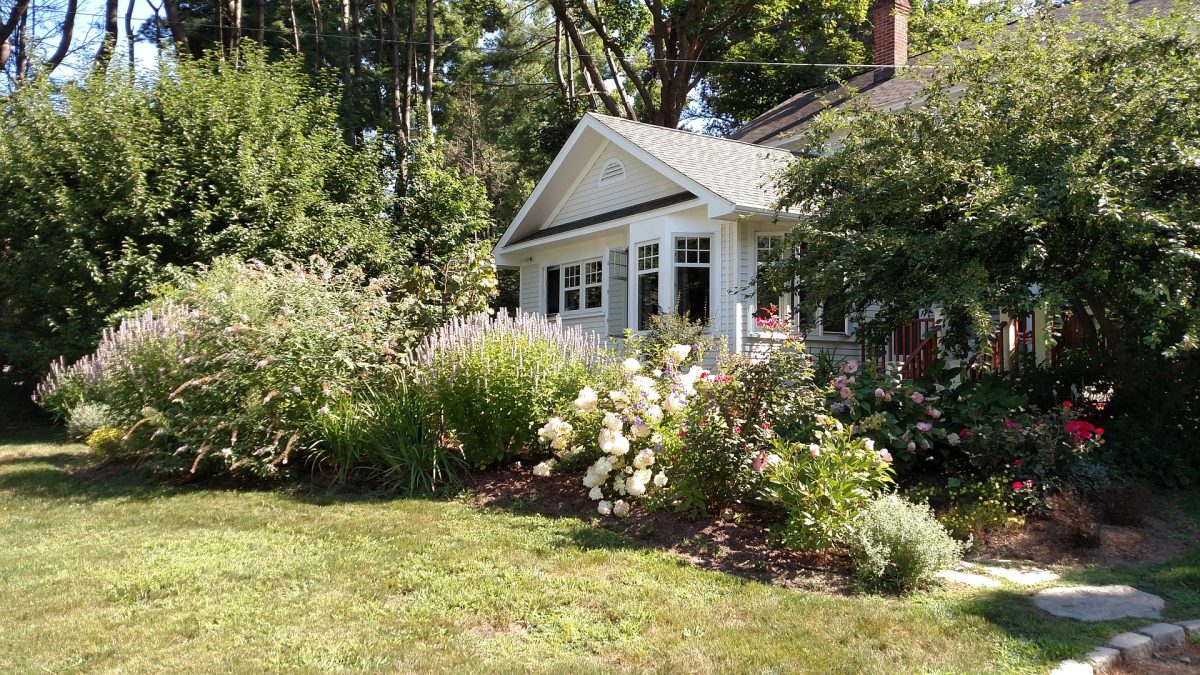
Keeping animals out takes effort, especially if you do it yourself. But a lush, healthy, well-kept yard can lift what buyers will pay, and it’s a big plus if you plan to sell. Our guide on why garden upgrades can increase property value explains which projects pay off.
Animal damage is a different story. Chewed wiring, nests in the attic or burrows near the foundation can show up in a buyer’s inspection and turn into a repair request. Fix them before you list. See what to do about a pest infestation and how pests can lower a property’s value. Smells matter too; read How To Get Rid of Pet Smell At Home.
Younger buyers often look for outdoor space they can use right away; Millennial Home Buyers: The New Target Market covers what they want. When you’re ready to sell your home in Minnesota or anywhere Beycome lists, a flat fee MLS listing is $99 with $0 due to Beycome at closing. Beycome lists in 17 states and DC.
Frequently asked questions
How do I keep wild animals out of my yard naturally?
Remove food, water and cover: pick up fruit, feed pets indoors, lock trash, fill holes, clear clutter and fence garden beds.
What smell keeps wild animals away?
Strong garlic and hot pepper sprays put many animals off. Reapply after rain, and pair them with food removal and fencing.
Can I kill iguanas on my property in Florida?
FWC says green iguanas can be humanely killed on private property with the landowner’s permission. Anti-cruelty law still applies; a trapper can do it for you.
How big do green iguanas get?
Males can grow over five feet and weigh up to 17 pounds. Females can reach five feet but usually stay under seven pounds, per FWC.
Can I trap and move a raccoon or other native animal?
FWC calls it a last resort, after other steps fail, and some species need permits. Check the rules or call a licensed trapper first.
Does wildlife damage affect selling a house?
It can. Chewed wires, attic nests or burrows near the foundation can show up in the inspection, so fix them before you list.
Wildlife rules as read on FWC pages October 27, 2026; they vary by state and species. Test homemade sprays on a small area first. Beycome prices as of October 2026; “$0 at closing” means no Beycome fee at closing, while title, taxes and any buyer-agent compensation you agree to still apply. General information, not legal advice.
Sources
- Florida Fish and Wildlife Conservation Commission, Green Iguana, read October 27, 2026.
- FWC, Removing Nuisance Wildlife, read October 27, 2026.
- Beycome, listing package features, October 2026.
Disclosure & Disclaimer
Beycome provides real estate services through affiliated licensed brokerages and has a commercial interest in the services and business models discussed on this blog. Content reflects Beycome’s perspective and may promote our services; it should not be treated as independent or neutral reporting.
Articles are provided for general informational and educational purposes only, not as financial, tax, legal, or investment advice or a recommendation for your particular situation. Reading this blog does not create a brokerage, advisory, or other professional relationship.
Information, opinions, pricing, service descriptions, and comparisons reflect the sources and information available when an article was published or last updated and may change. Although we aim for accuracy, we do not guarantee that all content is complete, current, or applicable to your circumstances. Laws, market conditions, and service availability vary by location. Examples and estimated savings are illustrative, depend on stated assumptions, and do not guarantee individual results.
Verify relevant information directly and consult qualified professionals before making decisions. Beycome services are subject to applicable agreements, eligibility requirements, and state-specific terms.

