
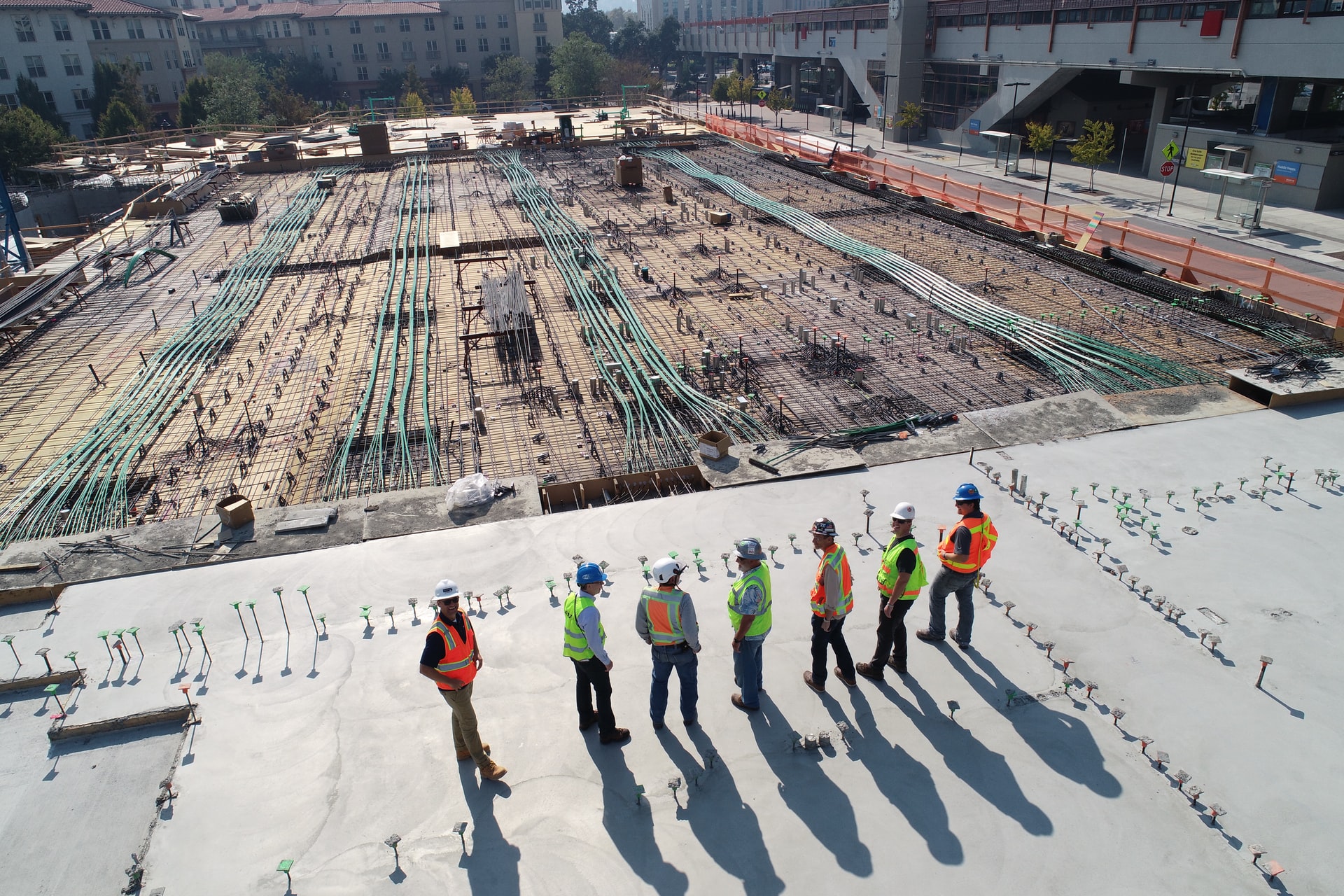
Updated November 2026. A seven-step plan for a home building or renovation project: scope, budget, permits, bids, schedule, site safety and progress checks, with a checklist you can copy.
To plan a building project properly, write down seven things before any work starts: the scope, the budget with a reserve, the permits, at least three comparable bids, a schedule with weather slack, the site and safety rules, and how you’ll check progress. As of October 2026, builders were starting single-family homes at a yearly pace of 859,000 (Census, September 2026), so good crews and materials are in demand and a clear plan helps you get both.
Jump to: 🏠 Why plan · 🪜 7 steps · 📐 Pre-construction plan · 💲 Budget · ⏱️ Schedule · 📸 Checklist · ❓ FAQ
Key takeaways
- A written plan covers scope, budget, permits, bids, schedule, safety and progress checks before work starts.
- Get every bid for the same scope and materials, so you compare like with like.
- Build weather and delivery delays into the schedule from day one.
- OSHA requires forklift operators to be trained and evaluated, with a performance review at least every three years (29 CFR 1910.178).
Most projects that go over budget don’t fail on the big decisions. They fail on the small ones nobody wrote down: a permit that took longer than expected, a material that arrived late, a change made on site without a price. This guide is a homeowner’s plan for avoiding that, whether you’re building a house, adding a room or doing a big renovation.
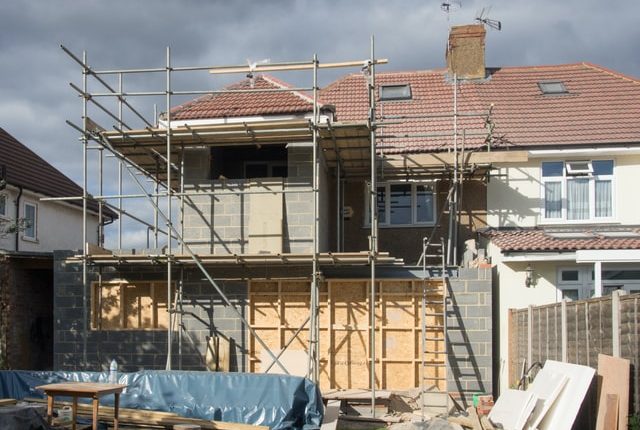
Why does planning a construction project matter so much?
Changes cost the least on paper and the most on site. Moving a wall in a drawing takes minutes; moving it after framing takes days and a change order. A plan forces those choices early, when they’re cheap.
Planning also covers the people and equipment. If a crew needs to move materials with a forklift, the operator has to be trained and certified first. OSHA’s standard says employers must make sure each powered industrial truck operator completes training and an evaluation, and that each operator’s performance is evaluated at least once every three years. Sorting out credentials like easy forklift certification before the start date avoids delays and safety problems on site.
How do you plan a building project, step by step?
1. Define the scope
Write what you’re building in plain terms: rooms, square feet, finishes, and what’s not included. For a sense of size, the median new single-family home completed in 2025 was 2,142 square feet, per the Census Bureau. Add sketches or plans, and list the decisions you still need to make.
2. Research builders and contractors
Look for contractors who have done projects like yours. A firm that handles a range of construction projects may fit a mixed job; a specialist may fit a single trade. Ask for references and photos of recent work, and check licenses and insurance.
3. Get bids and build an estimate
Ask at least three contractors to bid on the same written scope. Break big jobs into separate line items, such as exterior, roof and landscaping, so nothing gets lost. If you want to build your own cost estimate first, project management guides explain how to price tasks and add a reserve.
4. Handle permits and approvals
Call your city or county building department before you finalize plans. Ask which permits you need, how long review takes and which inspections happen when. If you have an HOA, get its approval in writing too.
5. Set a realistic schedule
Ask your contractor how long each phase takes and which materials must be ordered early. Then add slack for weather and deliveries. Changing weather is reshaping how builders schedule outdoor work, so winter and storm seasons need extra margin.
6. Plan the site and safety
Decide where materials, dumpsters and equipment go, how workers get in and out, and who’s responsible for safety. OSHA’s list of the most common violations in construction makes a good checklist for that last part. Our guide to the heavy equipment used to build a house or subdivision lists what each stage needs. Our guide on what you need before opening a construction site has a full checklist.
7. Check progress on a schedule
Hold a short check-in each week against the plan: what’s done, what’s late, what’s changed. Track it in a simple checklist or a construction app. Put every change in writing with its price before the work happens.
What is a pre-construction plan?
A pre-construction plan is everything decided between “we have a design” and “the crew breaks ground.” Builders call it precon. On a home project, it fits on a few pages, and it’s where most of the money gets saved or lost.
- Design review: walk the plans with the contractor and catch what won’t work before it’s built.
- Estimate and value check: price each line, then ask where a cheaper material does the same job.
- Permits and approvals: building department, HOA, utilities.
- Orders: windows, cabinets, trusses and anything with a long wait, ordered before day one.
- Site logistics: where the dumpster, the portable toilet and deliveries go, and who has the keys.
- Start date: set only once permits are in hand and the first deliveries are confirmed.
A good contractor will offer to do this with you, sometimes for a fee that’s credited against the build. It’s money well spent on anything bigger than a bathroom.
Who should be on your project team?
Small jobs need a good contractor and you. Big ones need a few more people, and it helps to know who does what before the first meeting.
Sell smarter
List your home on the MLS from $99
A flat fee instead of a percentage, and $0 to Beycome at closing. You stay in control of your sale.
Sell your home →Buy smarter
Get up to 2% back at closing
On homes listed by other agents, Beycome credits you up to 2% of the price at closing (1% kept, $1,499 minimum; not on FSBO homes or homes listed by Beycome sellers).
Buy a home →- You, the owner: you set the goals, pay the bills and make the calls on time.
- A designer or architect: they draw the plans and help with permits.
- An engineer, if the job moves walls, beams or the foundation.
- The general contractor: they hire the trades, run the site and keep the schedule.
- The building inspector: they sign off each stage, so the next one can start.
Name one person as the main contact on each side. Most mix-ups start when three people give the crew three different answers.
How should you budget a construction project?
| Budget line | What it covers | Tip |
|---|---|---|
| Design and plans | Architect or designer, engineering | Finish before you ask for bids |
| Permits and fees | Building permits, inspections, utility hookups | Ask the building department early |
| Construction contract | Labor and materials in the bid | Same scope in every bid |
| Allowances | Finishes not yet chosen | Set realistic amounts in writing |
| Reserve | Surprises and changes | Keep it separate; don’t spend it on upgrades |
Pay in stages tied to finished work, and keep receipts, lien waivers and permit sign-offs together. If a bid is far below the others, ask what’s missing before you celebrate. Our guide to building a house with a project plan example shows a sample budget and team.
How do you keep a construction schedule on track?
- Order long-lead items, like windows and cabinets, as soon as plans are final.
- Schedule inspections in advance, since the next phase often can’t start until one passes.
- Keep a short list of decisions due each week, so the crew never waits on you.
- Protect open work from rain and freezing temperatures.
Water is the enemy of a half-built house. If materials get soaked, dry them fast; our guide on how to effectively get rid of mold explains what happens when wet materials sit.
What should a construction project checklist include?
- Written scope with plans and a list of what’s excluded.
- Three bids for the same scope, with licenses and insurance checked.
- Permits issued and an inspection schedule.
- Signed contract with payment stages, schedule and change-order rules.
- Budget with allowances and a separate reserve.
- Site plan for storage, waste, access and safety.
- Equipment operators trained and certified where required.
- Weekly progress check and a folder for receipts and sign-offs.
For renovations, our ultimate home renovation checklist goes room by room.
What if you plan to sell after the project?
Buyers and their inspectors ask for permits and final sign-offs, so keep them. If you’re building to sell, our guide on how to sell new construction covers pricing and timing.
When you’re ready to list, Beycome’s flat fee MLS listing puts the home on the major home search sites and the MLS for $99 ($129 in California and Illinois), with $0 to Beycome at closing. Beycome has helped 22,000+ homeowners save over $225 million. Buying a finished home instead? The Beycome buyer program has no upfront fee. Beycome keeps 1% of the price (minimum $1,499) and credits the rest of the buyer-agent commission at closing, with lender approval. It’s open to every buyer on homes listed by other agents; the credit can’t apply where no buyer-agent commission is offered, like most FSBO homes, or on homes listed by Beycome sellers.
Construction planning questions
How do you plan a building project?
Write the scope, set a budget with a reserve, get permits, compare three bids for the same scope, build a schedule with slack, plan the site and check progress weekly.
What is a pre-construction plan?
The work done before ground breaks: design review, estimate, permits, ordering long-lead materials, site logistics and a start date set once permits are issued.
How long does it take to plan a construction project?
Permits usually set the pace. Ask your city or county building department for its current review time, then add the lead time on windows and cabinets.
What are the phases of a construction project?
Planning and design, permits and bidding, site preparation, construction with inspections, then final inspection and handover.
How do I avoid going over budget?
Finish plans before bidding, keep a separate reserve, set realistic allowances and price every change in writing before work starts.
Do forklift operators on a job site need certification?
Yes. OSHA requires training and an evaluation before operating, and a performance review at least every three years (29 CFR 1910.178).
How do I keep a construction schedule on track?
Order long-lead items early, book inspections ahead, make decisions on time and protect open work from the weather.
Construction figures: Census Bureau, New Residential Construction for September 2026 and Characteristics of New Housing 2025; forklift rule: OSHA 29 CFR 1910.178. All read October 27, 2026. Permit rules vary by city and county; ask your building department.
Beycome prices as of November 2026: Basic $99, or $129 in California and Illinois. “$0 at closing” means no Beycome fee at closing; other closing costs and any agreed buyer-agent compensation still apply. Buyer credit: minimum $1,499, lender approval, not on FSBO homes or homes listed by Beycome sellers. General information, not legal or engineering advice.
Sources
- Census Bureau, New Residential Construction, September 2026, read October 27, 2026.
- Census Bureau, Characteristics of New Housing, 2025 highlights, read October 27, 2026.
- OSHA, 29 CFR 1910.178 powered industrial trucks, read October 27, 2026.
- Beycome, listing package features, October 2026.
Disclosure & Disclaimer
Beycome provides real estate services through affiliated licensed brokerages and has a commercial interest in the services and business models discussed on this blog. Content reflects Beycome’s perspective and may promote our services; it should not be treated as independent or neutral reporting.
Articles are provided for general informational and educational purposes only, not as financial, tax, legal, or investment advice or a recommendation for your particular situation. Reading this blog does not create a brokerage, advisory, or other professional relationship.
Information, opinions, pricing, service descriptions, and comparisons reflect the sources and information available when an article was published or last updated and may change. Although we aim for accuracy, we do not guarantee that all content is complete, current, or applicable to your circumstances. Laws, market conditions, and service availability vary by location. Examples and estimated savings are illustrative, depend on stated assumptions, and do not guarantee individual results.
Verify relevant information directly and consult qualified professionals before making decisions. Beycome services are subject to applicable agreements, eligibility requirements, and state-specific terms.
