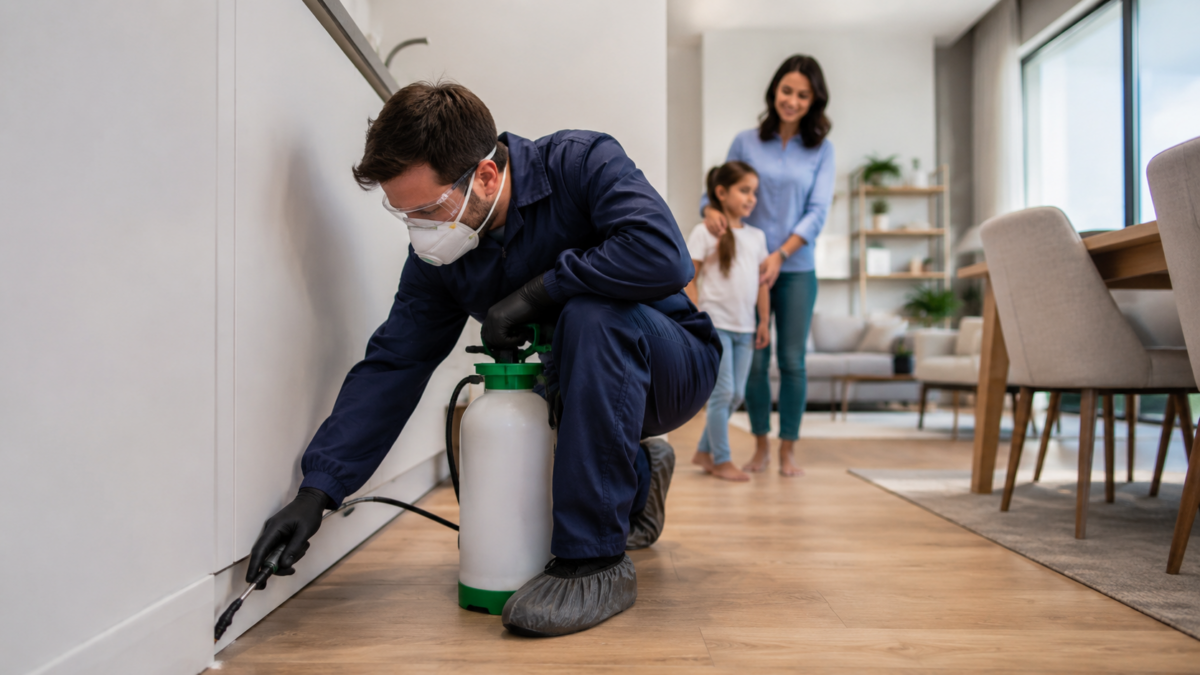
Pest control has evolved significantly from traditional methods that relied heavily on broad chemical treatments. Today, modern pest management uses scientific research, environmental awareness, and a deeper understanding of pest behavior to deliver safer and more effective solutions.
Homeowners increasingly want long-term protection that addresses the root causes of infestations rather than temporary fixes. Science-driven pest control achieves this through inspection, monitoring, prevention, and targeted treatments tailored to specific pest problems.
As urban growth and changing environmental conditions influence pest activity, evidence-based pest management plays an increasingly important role in maintaining healthier homes and protecting families.
Why Modern Pest Control Relies on Science Rather Than Guesswork
The biggest difference between traditional and modern pest control is the emphasis on data and scientific observation. Instead of applying treatments broadly, pest management professionals first identify the specific pest species involved, assess the extent of the infestation, and determine the environmental factors that support pest activity.
Different pests behave in different ways. For example, the treatment approach for subterranean termites differs significantly from the approach used for bed bugs or rodents. Understanding breeding cycles, feeding habits, nesting patterns, and movement behaviors allows professionals to select the most effective intervention methods.
Scientific pest control also incorporates ongoing monitoring. Rather than assuming a problem has been solved after a single treatment, technicians use inspection tools, monitoring stations, and follow-up evaluations to verify results. This evidence-based process improves effectiveness while reducing unnecessary pesticide use.
Integrated Pest Management Creates Long-Term Protection
One of the most significant developments in the industry is Integrated Pest Management (IPM). Widely recognized by environmental agencies, universities, and public health organizations, IPM focuses on prevention, monitoring, and targeted intervention rather than routine chemical applications.
Integrated Pest Management begins with identifying conditions that attract pests. Moisture issues, food sources, structural gaps, clutter, and landscaping factors can all contribute to infestations. By addressing these underlying conditions, homeowners can significantly reduce pest pressure before it becomes a serious problem.
When treatment becomes necessary, IPM prioritizes methods that pose the lowest practical risk to people, pets, and the environment. This may include exclusion techniques, habitat modification, trapping systems, biological controls, and carefully selected treatment products.
Research consistently shows that prevention-based strategies are often more sustainable and cost-effective than repeated reactive treatments. For families seeking long-term protection, IPM provides a practical framework grounded in scientific principles.
Advanced Detection Technologies Improve Accuracy
Technology has transformed many industries, and pest control is no exception. Modern professionals now use sophisticated tools to detect infestations earlier and with greater precision.
Thermal imaging cameras can help identify hidden moisture problems that attract pests. Digital monitoring systems allow technicians to track pest activity over time. Specialized detection tools can reveal termite activity inside walls and structural components before significant damage occurs.
In some cases, trained detection dogs are used to locate bed bugs with remarkable accuracy. These canine teams can inspect large spaces efficiently, helping property owners identify infestations before they spread.
These advancements support a more targeted approach to treatment. Rather than relying on broad applications, professionals can focus interventions exactly where they are needed, improving results while minimizing disruption to occupants.
Protecting Family Health Through Smarter Pest Management
Pest control is not simply about comfort or convenience. Many pests can directly affect human health. Rodents may spread disease-causing pathogens through droppings and urine. Cockroaches can contribute to allergy and asthma symptoms, particularly in children. Mosquitoes are capable of transmitting various illnesses, while ticks remain a concern in many regions of the country.
Modern pest management recognizes these health risks and addresses them through a comprehensive prevention strategy. Early detection, sanitation recommendations, exclusion measures, and targeted treatments work together to reduce exposure to both pests and the hazards they may carry.
Families are increasingly interested in approaches that minimize unnecessary chemical exposure. Science-based pest management supports this goal by emphasizing precision and risk reduction. Rather than treating entire properties indiscriminately, modern programs focus on identifying specific problem areas and selecting the most appropriate intervention.
This balanced approach helps create healthier indoor environments while maintaining effective pest control outcomes.
Sell smarter
List your home on the MLS for $99
No listing agent, no 3% commission. Beycome handles your MLS listing so you keep more of what your home is worth.
Sell your home →Buy smarter
Get up to 2% back at closing
Buy any home with a Beycome agent and receive a rebate of up to 2% of the purchase price — paid to you at closing.
Buy a home →The New York City Experience: Unique Challenges, Leading Solutions
Urban environments like New York City present specific challenges when it comes to pest control. High population density, aging infrastructure, and diverse housing types contribute to persistent issues with pests such as cockroaches, rodents, and bed bugs. These pests are not only a nuisance but also potential vectors for disease.
For New York City residents seeking professional pest control services, Advanced Pest Management NYC provides science-driven solutions tailored to the challenges of dense urban environments. The company uses modern techniques such as smart monitoring systems to detect pest activity with minimal disruption and targeted treatment options designed to address specific infestations effectively.
A notable aspect of effective urban pest management is its emphasis on collaboration between pest control professionals, residents, tenants, and property managers. By providing guidance on sanitation, waste management, preventive maintenance, and the early signs of infestation, professionals can help clients address immediate pest problems while reducing the likelihood of recurring activity.
Those interested in learning more can explore additional resources and guidance on modern urban pest control practices.
Environmental Responsibility and Sustainable Practices
Environmental stewardship has become an increasingly important consideration in pest management. Consumers want effective solutions, but they also want confidence that treatments are being applied responsibly.
Modern pest control programs often incorporate environmentally conscious practices designed to reduce overall pesticide usage. By focusing on prevention, exclusion, and monitoring, professionals can often resolve issues with fewer interventions.
Targeted treatment methods further support sustainability goals. Products are selected based on pest biology, treatment location, and potential exposure risks. This precision reduces waste and helps protect beneficial organisms that contribute to ecological balance.
The shift toward sustainable pest management reflects broader trends in environmental science and public health. Homeowners increasingly recognize that effective pest control and environmental responsibility can work together rather than in opposition.
The Role of Education in Effective Pest Prevention
Even the most advanced pest management program benefits from informed homeowners. Education plays a critical role in preventing infestations and maintaining long-term protection.
Simple actions can make a significant difference. Proper food storage, prompt waste disposal, moisture control, and sealing structural entry points help reduce pest attraction. Regular inspections can identify vulnerabilities before they develop into larger problems.
Professional pest experts often provide recommendations tailored to specific properties. These suggestions may include landscaping adjustments, sanitation improvements, or maintenance repairs that reduce pest access.
When homeowners understand why pests are present and what conditions support them, they become active participants in prevention efforts. This collaborative approach strengthens overall effectiveness and supports lasting results.
What the Future Holds for Pest Control
The future of pest management will likely be shaped by continued advances in technology, data analysis, and environmental science. Artificial intelligence, remote monitoring systems, predictive modeling, and improved treatment formulations are already beginning to influence industry practices.
Researchers continue to study pest biology and behavior, leading to more precise and efficient control methods. As knowledge expands, professionals will be able to develop increasingly targeted strategies that maximize effectiveness while minimizing environmental impact.
Climate change may also influence pest distribution and seasonal activity patterns. Science-driven monitoring and adaptive management strategies will become increasingly important as pest populations respond to changing environmental conditions.
For homeowners and communities, these innovations offer the promise of safer, smarter, and more sustainable pest control solutions.
Creating Safer Homes Through Evidence-Based Pest Management
Modern pest control has evolved far beyond the reactive methods of the past. Today’s science-driven approaches focus on understanding pest behavior, preventing infestations, protecting public health, and minimizing environmental impact.
By combining advanced detection technologies, Integrated Pest Management principles, targeted treatments, and ongoing monitoring, professionals can address pest problems more effectively than ever before. This evidence-based approach supports healthier homes, safer families, and more sustainable communities.
As pest challenges continue to evolve, the importance of scientific expertise will only grow. Homeowners who prioritize prevention, education, and informed decision-making are better positioned to maintain comfortable, healthy living environments for years to come.