

Updated October 2026. Four reasons to consider renewable energy at home, rewritten with 2025 electricity data from EIA, EPA emissions figures and the IRS update on the residential clean energy credit, all checked this month.
Renewable energy is worth a look for four reasons: it cuts emissions, it reduces the air pollution tied to burning fuel, the sun and wind don’t run out, and it can lower your energy bills over time. As of October 2026, EIA says renewables supplied about 24% of U.S. utility-scale electricity in 2025, double the 12% of 1990. One catch: the 30% federal credit for home solar ended with 2025.
Jump to: 🏠 Emissions · 🤝 Health · ⏱️ Supply · 💲 Cost · 📍 Resale · ❓ FAQ
Where things stand
- Renewables were about 24% of U.S. utility-scale electricity in 2025; wind alone was about 11% (EIA).
- Fossil fuels still made about 58% of U.S. electricity in 2025, with natural gas the top source at about 41% (EIA).
- U.S. greenhouse gas emissions were 6,343 million metric tons of CO₂ equivalent in 2022 (EPA).
- The Residential Clean Energy Credit (30%) isn’t available for property placed in service after December 31, 2025 (IRS).
“Renewable energy” covers a lot. Think rooftop solar, a shared community solar plan, a ground-source heat pump, a small wind turbine, or a green power plan you sign up for online. For most of us, the real choices are solar panels, a heat pump, or buying green power from the utility. The reasons below fit all of them. The math is different for each.
How does renewable energy help the planet?
It replaces burning. EPA says carbon dioxide gets into the air mostly when we burn coal, gas and oil, plus trash and wood. Power from sun, wind and water doesn’t burn anything while it runs. So it makes little to no greenhouse gases at the point of generation.
The totals are huge. EPA puts U.S. greenhouse gas output at 6,343 million metric tons of CO₂ equivalent in 2022, not counting land use. Power plants are a big part of that. That’s why the mix on the grid matters. EIA’s 2025 numbers show fossil fuels at about 58% of U.S. electricity and renewables at about 24%.
One house won’t move those totals. But power, heat and hot water are often a home’s biggest sources, and they’re the ones you control.
Is renewable energy better for your health?
Burning fuel puts more than carbon into the air. Power plants, furnaces and engines also give off smoke and fumes that we breathe. Cleaner power means less of that. Swap some burning for sun or wind, and the air gets a little better.
Inside the house, the gain is more direct. A heat pump or an electric water heater takes a flame out of your home. That matters, because gas and oil appliances are a common source of carbon monoxide. If you still have them, keep them serviced every year and keep CO detectors near bedrooms; our post on home improvements that are important for your safety covers that.
No roof for panels? You still have options. Many utilities sell a green power plan you can add to your bill. Community solar lets renters and condo owners buy a share of a nearby solar farm. And swapping an old gas water heater for a heat pump model cuts burning at home, even if your power still comes from the grid.
Why does it matter that renewable energy doesn’t run out?
Coal, oil and gas will run out one day, and their prices swing with world markets. Sun, wind and water come back on their own. They aren’t there every hour, of course. Solar stops at night and wind comes and goes, so batteries and the grid fill the gaps. But the fuel is free, and you can’t use it up.
Some countries already lean on it hard. In July 2019, The Independent reported that sun, wind, biomass and water made nearly half of its energy output for Germany’s power grid in the first half of that year. That was more than coal and nuclear put together. In the U.S., EIA’s data shows renewables supplied about 12% of utility-scale electricity in 1990 and about 24% in 2025.
Across all U.S. energy use, not only electricity, renewables were about 9% of primary energy consumption in 2023, per EIA. So there’s room to grow, especially in heating and transport.
Does renewable energy save money at home?
It can, but run the numbers for your house. Solar costs a lot up front and pays you back through lower bills over the years. How fast depends on which way your roof faces, how much shade it gets, what your power costs and what the utility pays for power you send back. Many utilities offer net metering or a buyback rate. The rules differ by state.
Sell smarter
List your home on the MLS from $99
A flat fee instead of a percentage, and $0 to Beycome at closing. You stay in control of your sale.
Sell your home →Buy smarter
Get up to 2% back at closing
On homes listed by other agents, Beycome credits you up to 2% of the price at closing (1% kept, $1,499 minimum; not on FSBO homes or homes listed by Beycome sellers).
Buy a home →The tax break is gone. The IRS says the Residential Clean Energy Credit was 30% of the cost of qualified systems put in from 2022 through December 31, 2025. It doesn’t apply to anything placed in service after that date. So if you’re pricing solar in 2026, do the math without it. Then look for state or utility rebates.
Start with cutting waste. It costs less and pays back faster. ENERGY STAR says sealing air leaks and adding insulation can save up to 10% on annual energy bills. Our guides on how to effectively improve your residence’s energy rating and upgrading your home’s energy efficiency and style walk through it. When you’re ready for panels, read how solar energy saves on home costs.
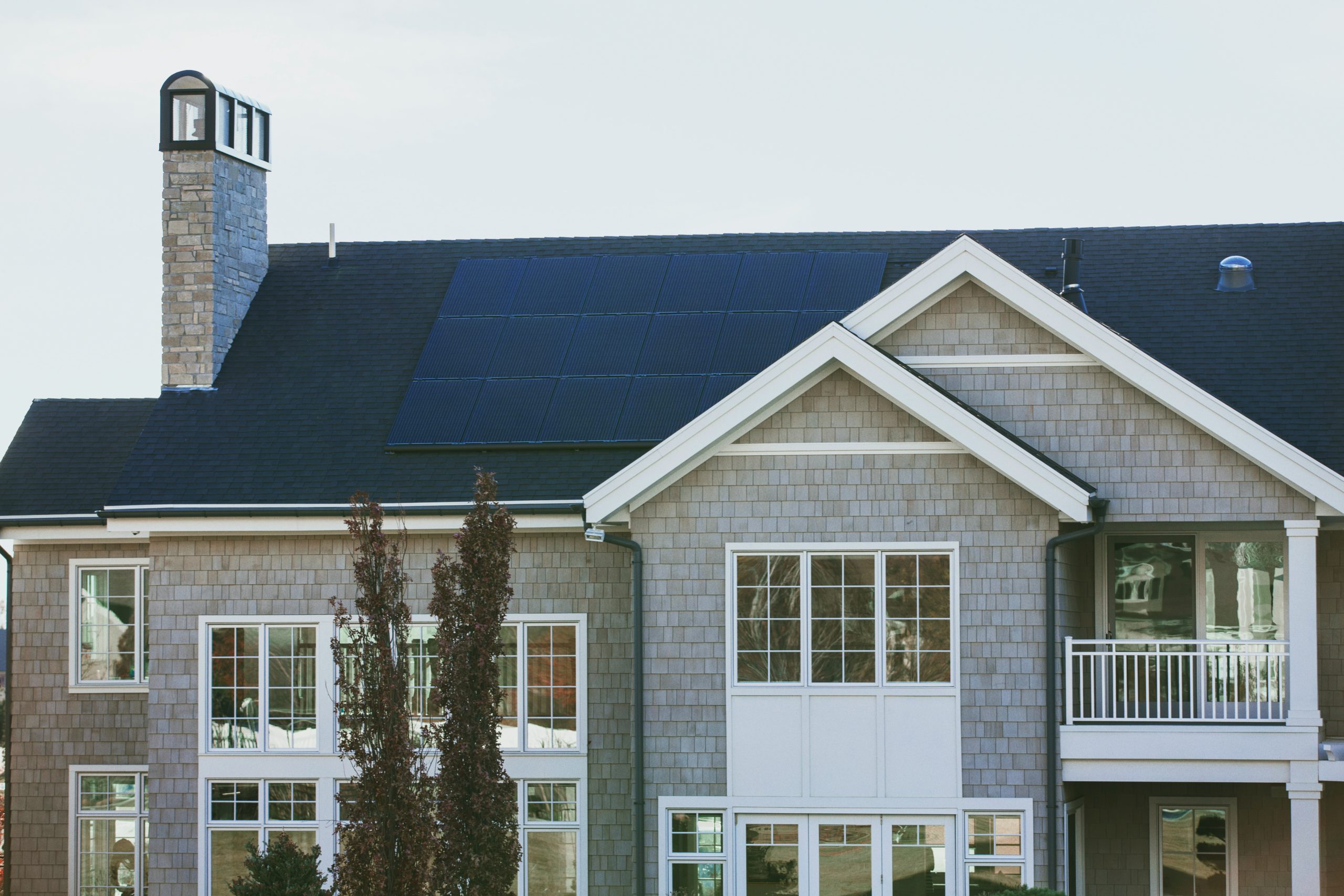
Do solar panels and green upgrades matter when you sell?
They do, mostly because of the paperwork. Buyers and lenders will ask if the panels are owned, financed or leased. Owned panels usually go with the house. A loan or lease may have to be paid off or handed to the buyer, and that takes time. So pull the contract, the warranty and 12 months of power bills before you list. Building new? Our post on questions to ask eco-friendly home builders helps.
Put the details in the listing: system size, age, who owns it and the average monthly bill. Our guides to listing your FSBO home on the MLS for maximum exposure, listing your home on the MLS, selling your home by owner on Zillow and selling your property without an agent cover the rest.
A Beycome flat fee MLS listing starts at $99, with $0 due to Beycome at closing, in 17 states and DC, and you can update the listing as often as you like at no charge. Buying a home that already has solar? The Beycome buyer program has no upfront fee: Beycome keeps 1% of the price (minimum $1,499) and credits the rest of the buyer-agent commission at closing, with lender approval. It’s open to every buyer on homes listed by other agents (the commission credit can’t apply where no buyer-agent commission is offered, like most FSBO homes, or on homes listed by Beycome sellers).
Renewable energy questions
Why should you invest in renewable energy?
It lowers emissions, reduces pollution from burning fuel, relies on sources that don’t run out and can lower energy bills over time.
How much U.S. electricity comes from renewables?
About 24% of utility-scale generation in 2025, according to EIA, up from about 12% in 1990. Wind was about 11%.
Is the 30% solar tax credit still available in 2026?
No. The IRS says the Residential Clean Energy Credit isn’t available for property placed in service after December 31, 2025. Check state and utility incentives.
Can I sell extra solar power back to the utility?
Often, through net metering or a buyback rate. The rules and credit rates depend on your state and utility.
What’s the cheapest way to cut home energy use?
Sealing air leaks and adding insulation. ENERGY STAR says it can save up to 10% on annual energy bills.
Do leased solar panels complicate a home sale?
They can. The lease usually has to be transferred to the buyer or paid off, so share the contract early.
Electricity data: EIA, Electricity in the U.S. (2025) and Renewable Energy Explained (2023 primary energy). Emissions: EPA, Overview of Greenhouse Gases (2022 inventory). Tax credit: IRS, Residential Clean Energy Credit. Savings estimates are general and vary by home. General information, not tax or financial advice.
Beycome prices as of November 2026 and subject to change: Basic $99, Enhanced $399; Concierge is $1,399. Basic is $129 in California and Illinois ($99 elsewhere). “$0 at closing” means no Beycome fee at closing; taxes, title and any buyer-agent compensation you agree to still apply. Buyer credit: minimum $1,499, lender approval, not on most FSBO homes or homes listed by Beycome sellers.
Sources
- EIA, Electricity in the U.S., read October 28, 2026.
- EIA, Renewable Energy Explained, read October 28, 2026.
- EPA, Overview of Greenhouse Gases, read October 28, 2026.
- IRS, Residential Clean Energy Credit, read October 28, 2026.
- ENERGY STAR, Seal and Insulate, read October 28, 2026.
- Beycome, listing package features, October 2026.
Disclosure & Disclaimer
Beycome provides real estate services through affiliated licensed brokerages and has a commercial interest in the services and business models discussed on this blog. Content reflects Beycome’s perspective and may promote our services; it should not be treated as independent or neutral reporting.
Articles are provided for general informational and educational purposes only, not as financial, tax, legal, or investment advice or a recommendation for your particular situation. Reading this blog does not create a brokerage, advisory, or other professional relationship.
Information, opinions, pricing, service descriptions, and comparisons reflect the sources and information available when an article was published or last updated and may change. Although we aim for accuracy, we do not guarantee that all content is complete, current, or applicable to your circumstances. Laws, market conditions, and service availability vary by location. Examples and estimated savings are illustrative, depend on stated assumptions, and do not guarantee individual results.
Verify relevant information directly and consult qualified professionals before making decisions. Beycome services are subject to applicable agreements, eligibility requirements, and state-specific terms.
