
Updated October 2026. We rewrote this guide around what an efficient AC system actually changes in a home: comfort, humidity, the power bill and what a buyer’s inspector writes down. Figures come from EIA, the Census Bureau, ENERGY STAR, EPA and the IRS, read this month.
An efficient AC system raises a home’s comfort and appeal more than its appraisal. As of October 2026, 88% of U.S. households use air conditioning (EIA), and 91% of owner-built homes finished in 2025 had it (Census). Buyers expect it. A working, serviced system mostly protects your price; a tired one gets negotiated down.
Jump to: 🏠 Comfort · 📍 Humidity · 💲 Bills · 🤝 At sale time · ⏱️ Upkeep · ❓ FAQ
The short version
- 88% of U.S. households used AC in the latest EIA survey, and 93% of homes built from 2010 to 2020 had it.
- EPA says to keep indoor humidity below 60%, ideally 30% to 50%. A right-sized AC does a lot of that work.
- ENERGY STAR says to check the filter once a month. A dirty one raises energy costs and can shorten the system’s life.
- The federal 25C credit for heat pumps and other upgrades covered work placed in service through December 31, 2025 (IRS).
We see the same pattern on listings. Nobody writes “has AC” in the remarks as a selling point anymore, the same way nobody brags about indoor plumbing. But a 19-year-old condenser, a rusty drain pan or a system that can’t hold 75 degrees in July shows up fast in the inspection report. So the real question isn’t whether AC adds value. It’s how much an efficient, well-kept system saves you, and how much a weak one costs you when you sell.
How does an efficient AC system make a home more comfortable?
It holds an even temperature room to room, and it does it quietly. Older or badly sized units tend to cool the room near the thermostat and leave the back bedroom warm. They also run in short bursts, which feels clammy. A unit that’s sized to the house, with ducts that are sealed and balanced, runs longer and steadier cycles. That’s what people notice: the upstairs isn’t five degrees hotter than the kitchen.
Closed windows help too. With the AC on, outside noise from traffic, lawn crews and neighbors drops, and pollen stays out. If someone in the house has allergies, a good filter in the return does real work. It’s not a medical device, but it catches dust and pet dander that would otherwise cycle through the rooms.
The type of system matters for comfort. Central AC, ductless mini-splits, heat pumps and window units each fit a different house. Forbes has a plain overview of the main air conditioning units and where each one makes sense. In the South, heat pumps are now the default: the Census Bureau counted 63% of new single-family homes completed there in 2025 with a heat pump.
Why does humidity control matter as much as temperature?
Because moisture is what damages a house. An AC removes water from the air as it cools, and that water drips out through the condensate line. EPA’s mold guidance says to keep indoor humidity below 60%, ideally between 30% and 50%, and to keep AC drip pans clean and drain lines flowing. A $10 to $50 humidity meter from a hardware store tells you where you stand.
An oversized unit is the usual problem. It cools the air so fast that it shuts off before it has pulled much moisture out. The room hits 74 degrees and still feels sticky. Over months, that’s how you get musty closets, mold on window frames and swollen door trim. In Florida, Texas and the Gulf states, humidity control is arguably the main job of the system.
If you’re buying, open the air handler closet during a showing. Water stains, a wet drain pan or a moldy smell are worth a question. Our post on common AC problems you shouldn’t ignore lists the warning signs.
How much can an efficient AC lower your energy bills?
It depends on your climate, your old unit and your rates, so be wary of anyone who quotes a flat percentage. What we can say from public data: cooling is a big share of summer bills in hot states, and the two biggest drains are a system that’s the wrong size and one that’s poorly maintained. ENERGY STAR’s maintenance checklist says a dirty filter raises energy costs and can damage equipment, leading to early failure.
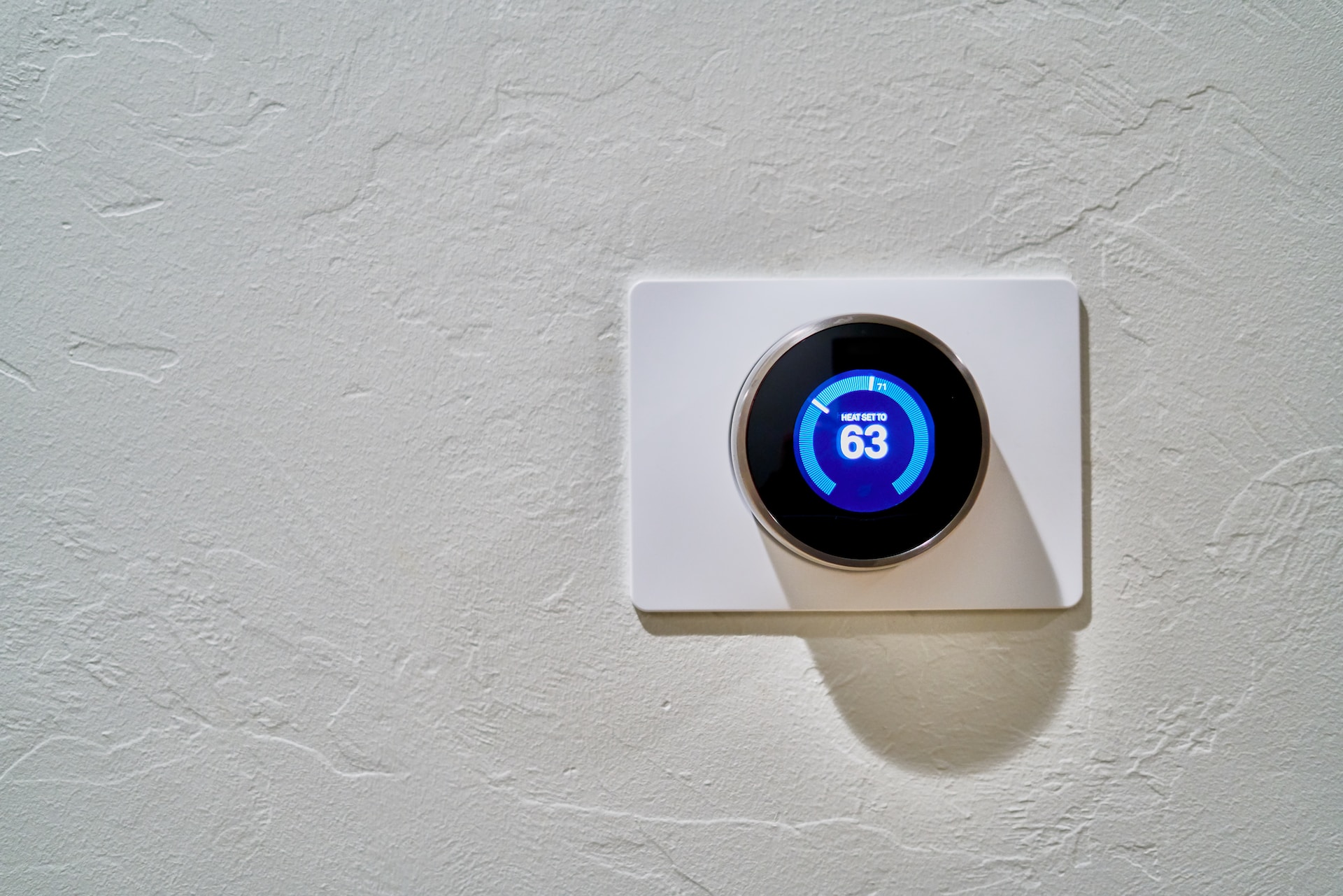
Sizing comes first. A unit that’s too large cycles on and off and wastes power. One that’s too small runs all day and still can’t keep up. A proper load calculation looks at square footage, insulation, windows and which way the house faces. Then the thermostat. ENERGY STAR certified smart thermostats can adjust when you’re away, which is where a lot of easy savings sit.
One change for 2026: the federal Energy Efficient Home Improvement Credit (25C), worth up to $2,000 a year for qualified heat pumps, applied to property placed in service through December 31, 2025, per the IRS. Check your utility and your state for rebates before you buy. Our guide to cooling mistakes that can deplete your finances covers the habits that cost the most.
Does a new AC increase home value when you sell?
Usually less than it costs. A buyer won’t pay you $9,000 more because you replaced the condenser last year. They’ll pay closer to full price instead of asking for a credit. That’s the honest way to think about it: an efficient system protects value more than it adds it. Our broader guide on increasing the value of your home covers the projects that do move the price.
Sell smarter
List your home on the MLS from $99
A flat fee instead of a percentage, and $0 to Beycome at closing. You stay in control of your sale.
Sell your home →Buy smarter
Get up to 2% back at closing
On homes listed by other agents, Beycome credits you up to 2% of the price at closing (1% kept, $1,499 minimum; not on FSBO homes or homes listed by Beycome sellers).
Buy a home →What buyers and inspectors look at:
- The age of the outdoor unit, printed on its data plate.
- Whether it cools: inspectors often measure the temperature drop across the coil.
- Rust, leaks or a clogged condensate line at the air handler.
- Service records. A receipt from last spring answers a lot of questions.
HVAC shows up often on inspection repair lists; see the most common repairs needed after a home inspection. If you’re deciding whether to replace before you list, should you get AC installed before selling your home walks through the math. Many sellers get a tune-up, fix the small stuff and disclose the age.
When you’re ready, a Beycome flat fee MLS listing starts at $99 with $0 due to Beycome at closing, in 17 states and DC. You can put “AC serviced 2026” right in the listing remarks and update them free whenever you like.
What maintenance keeps an AC efficient for years?
Most of it is cheap. Check the filter monthly, as ENERGY STAR advises, and change it when it looks gray. Keep two feet of clear space around the outdoor unit. Hose off the fins gently in spring. Pour a cup of diluted vinegar or the product your tech recommends into the condensate line a couple of times a year if your system is prone to clogs.
Then book a pro once a year, ideally before summer. ENERGY STAR’s checklist has the contractor tighten electrical connections, lubricate moving parts, check the refrigerant charge and clean the coils. If something seems off between visits, a qualified tech can tell you what an air conditioner repair costs before you decide. Our list of signs your AC system may need repair helps you spot trouble early.
Shopping for a home with an older system? Ask for the install year and the service history, and budget for replacement if it’s past its middle age. The Beycome buyer program has no upfront fee: Beycome keeps 1% of the price (minimum $1,499) and credits the rest of the buyer-agent commission at closing, with lender approval. It’s open to every buyer on homes listed by other agents (the commission credit can’t apply where no buyer-agent commission is offered, like most FSBO homes, or on homes listed by Beycome sellers).
AC and home value questions
Does central air add value to a house?
In most of the U.S., buyers expect it, so a home without it can sell for less. A newer system mainly protects your price and avoids repair credits.
Is it worth replacing an AC before selling?
Only if it’s failing. A tune-up, small repairs and a service record often cost far less than a new system and answer the buyer’s main questions.
What humidity should my AC keep the house at?
EPA recommends below 60% relative humidity, ideally between 30% and 50%. A cheap humidity meter lets you check.
How often should I change the AC filter?
ENERGY STAR says to inspect it every month and change it when dirty, more often with pets or in dusty months.
Is there still a federal tax credit for a new heat pump?
The 25C credit covered qualified property placed in service through December 31, 2025, per the IRS. Check state and utility rebates for 2026 installs.
How many U.S. homes have air conditioning?
EIA’s latest survey found 88% of households use AC, and two-thirds use central AC or a central heat pump as the main system.
AC use: EIA, Residential Energy Consumption Survey 2020. New homes: Census Bureau, Highlights of 2025 Characteristics of New Housing. Humidity: EPA, A Brief Guide to Mold, Moisture and Your Home. General information, not HVAC, tax or legal advice; refrigerant and electrical work should be done by a licensed technician.
Beycome prices as of November 2026 and subject to change: Basic $99, Enhanced $399; Concierge is $1,399. Basic is $129 in California and Illinois ($99 elsewhere). “$0 at closing” means no Beycome fee at closing; taxes, title and any buyer-agent compensation you agree to still apply. Buyer credit: minimum $1,499, lender approval, not on most FSBO homes or homes listed by Beycome sellers.
Sources
- EIA, Nearly 90% of U.S. households used air conditioning in 2020, read October 28, 2026.
- U.S. Census Bureau, Highlights of 2025 Characteristics of New Housing, read October 28, 2026.
- EPA, A Brief Guide to Mold, Moisture and Your Home, read October 28, 2026.
- ENERGY STAR, Maintenance Checklist, read October 28, 2026.
- ENERGY STAR, Smart Thermostats, read October 28, 2026.
- IRS, Energy Efficient Home Improvement Credit, read October 28, 2026.
- Beycome, listing package features, October 2026.
Disclosure & Disclaimer
Beycome provides real estate services through affiliated licensed brokerages and has a commercial interest in the services and business models discussed on this blog. Content reflects Beycome’s perspective and may promote our services; it should not be treated as independent or neutral reporting.
Articles are provided for general informational and educational purposes only, not as financial, tax, legal, or investment advice or a recommendation for your particular situation. Reading this blog does not create a brokerage, advisory, or other professional relationship.
Information, opinions, pricing, service descriptions, and comparisons reflect the sources and information available when an article was published or last updated and may change. Although we aim for accuracy, we do not guarantee that all content is complete, current, or applicable to your circumstances. Laws, market conditions, and service availability vary by location. Examples and estimated savings are illustrative, depend on stated assumptions, and do not guarantee individual results.
Verify relevant information directly and consult qualified professionals before making decisions. Beycome services are subject to applicable agreements, eligibility requirements, and state-specific terms.

