Where Do We Start?
We love our furry companions like family, but it can be easy for a smelly problem to get ahead of us once it starts. A small distant corner gets used one day while we’re running late at work, and before long, a bad habit has started right under our noses. Maybe they’re just getting older and can’t go as long as they used to without a bathroom break.
It’s easy to start to feel like a lousy owner when the stains and stenches begin to pile up. The truth is there’s always going to be accidents in your pets’ lives. It’s important not to scold the animal for what could be a medical problem or an indicator that something else is wrong.
Don’t look at the mess as the problem, but see it as a preventable part of something greater that needs to be addressed.
Know Your Pet
At a certain point, all animals must go. Depending on the weight and the breed, some dogs can go longer than others. Identifying and establishing a schedule that works for both you and the animal is going to be vital in achieving any long term results.
Cats can be a little easier with the use of litter boxes, but there are still times where they might use a piece of furniture if something is disagreeable with the litter box (it needs to be cleaned). You might have to limit water intake while you’re out of the house, or even use one of the pet sitting services that will come to your home and take your animal out for 30 minutes or an hour.
Generally, if a dog is crate trained, they will only go in their crate as a last resort, and if this is happening, it could be a good indicator that they’re being left alone too long.
Creatures of Habit
If the animal is unfixed and marking, you may have to consider surgery if they don’t stop on their own. Marking can also be a sign of anxiety if another animal, new roommate, or partner has been introduced to their space. In the case of the latter, make sure the animal gets acquainted with the new person and is comfortable with them.
The longer they have the habit before being neutered, the harder it is going to be to break. Some animals never stop, but that’s only after being left to their own devices for extended periods.
Rubbing their nose in it or other punishments really don’t have an effect on their behavior. Whether it’s marking or just going inside the house, there’s going to be root causes to the act.
Locate The Source
Finding the smell isn’t going to be hard, but for the case of smaller breeds, sometimes a black light is necessary to pinpoint exactly where the animal is going. You might have an idea of what room they’re going in, but not exactly sure where.
Once the trouble spot has been identified, you’re going to want to prevent unsupervised access if at all possible. It might even be a good idea to play with the dog in that particular part of the house to make them feel more like it’s part of their home and not somewhere to be peed on.
Potty Training
This is one of the most challenging parts of pet parenthood. Starting with a young animal and teaching them where and where not to go can be a frustrating experience. Cat owners get the benefit of their natural drive to bury their business.
Dog owners have to be more diligent, and more importantly, consistent. You cannot discipline an animal into going to the bathroom where and when you want it to. It simply won’t connect in their young little heads. Positive reinforcement and consistency have been shown time and time again to be a much more effective approach to teaching them these good habits.
Crate Training
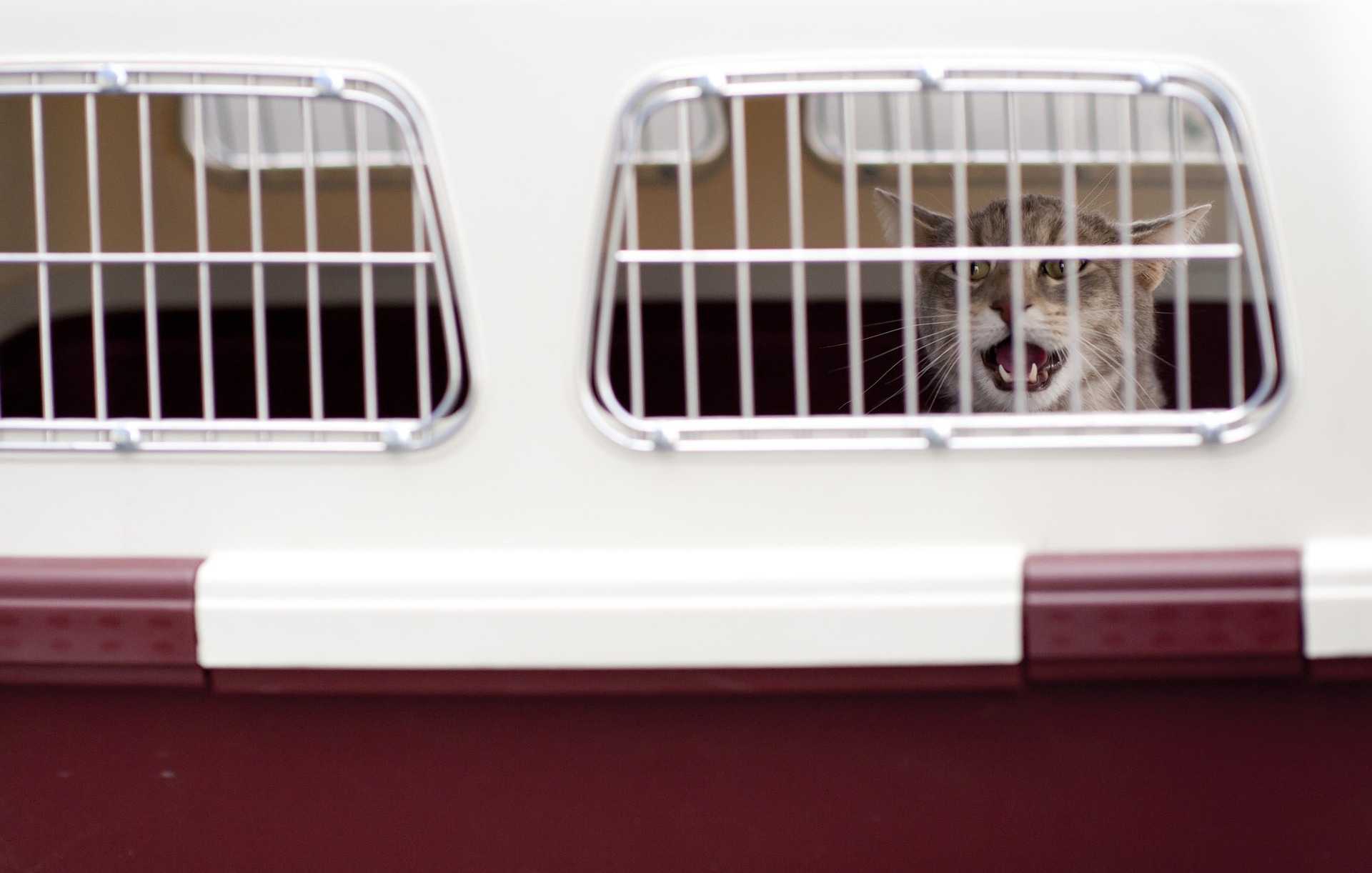
Crate training is so popular not only because it keeps the levels of teething destruction down, but also because it’s one of the most effective ways to potty train a puppy. As we mentioned previously, dogs generally will not go where they sleep. It’s the primary instinct that we need to draw on to develop more good habits.
If you have a young dog, start by outfitting his crate with a soft blanket, a toy or two, and your presence in the room. You want them to become comfortable in their new home and make them feel like they’re still apart of the action even if they are confined.
Build a Routine
Every hour or two, in the beginning, at least, you’ll want to take the puppy out on a leash to use the restroom. If they don’t go, then simply return them to the crate. If they do go, shower them with praise, even a treat, and then return them to the crate.
This may seem a little cold for such a young puppy, but you’ll grow much closer if you don’t have the stress of cleaning up messes inside the house constantly. They should be able to go for an hour or two at first. If they can’t last that long, you need to take a look at how much water you’re giving them or if there’s a potential medical issue.
Once you can count on no accidents going every few hours, stretch it out a little longer until you get to the 8-hour mark. They may not be able to hit this point for several months, but if you’re consistent even if they have an accident, it shouldn’t break their routine.
Establishing good routines is the most critical part of training puppies and will make your life easier in the long run. Getting up at the crack of dawn every day to let the little guy isn’t always on the top of everyones’ list, but it’s way better than living in a smelly home or possibly resenting your pet for the next decade or so.
Where To Start Deodorizing?
Start With Your Pet
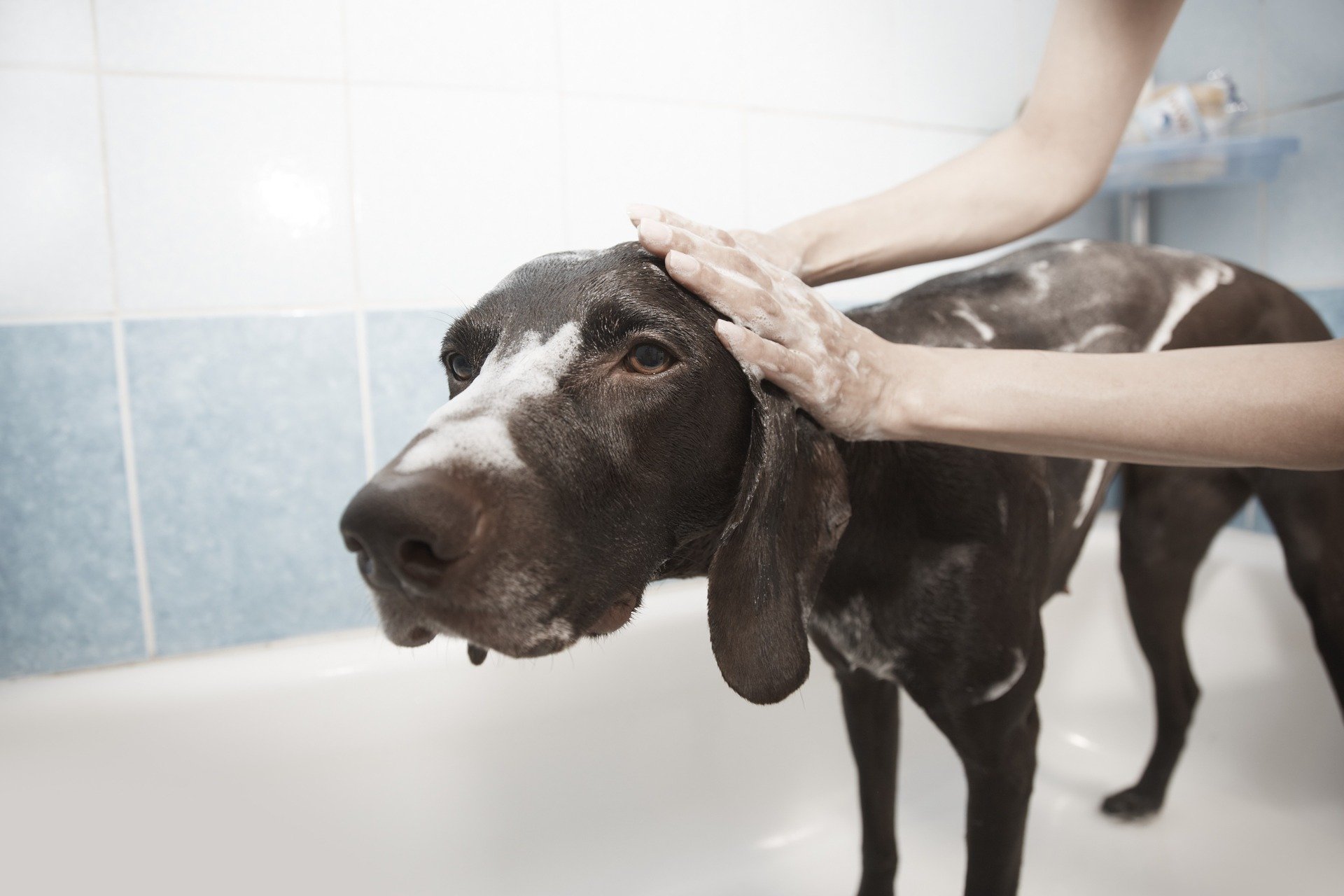
A great place to start deodorizing is at the source; your critter and their bed! It doesn’t matter how much you clean if your animal is stinky. There are just way too many dog shampoos out there to compare and contrast, and lots of them do work well, but for those in a pinch, even Dawn will do for the occasional bath.
Your local vet or groomer will always have good suggestions if you ask. Showers aren’t easy with some animals, even downright impossible with others. If an outright bath is out of the question, there are pet wipes that will allow you to give the animal a sponge-bath of sorts. It’s certainly better than nothing.
Your Pet’s Belongings Too
Bedding and crates should be given a good wash with some soap and water, and maybe some other sprays that we’ll talk about later in the case of terrible areas. If a blanket has been thoroughly soiled, it might be time to get a new one, but a good spin through the wash can bring a lot of linens back.
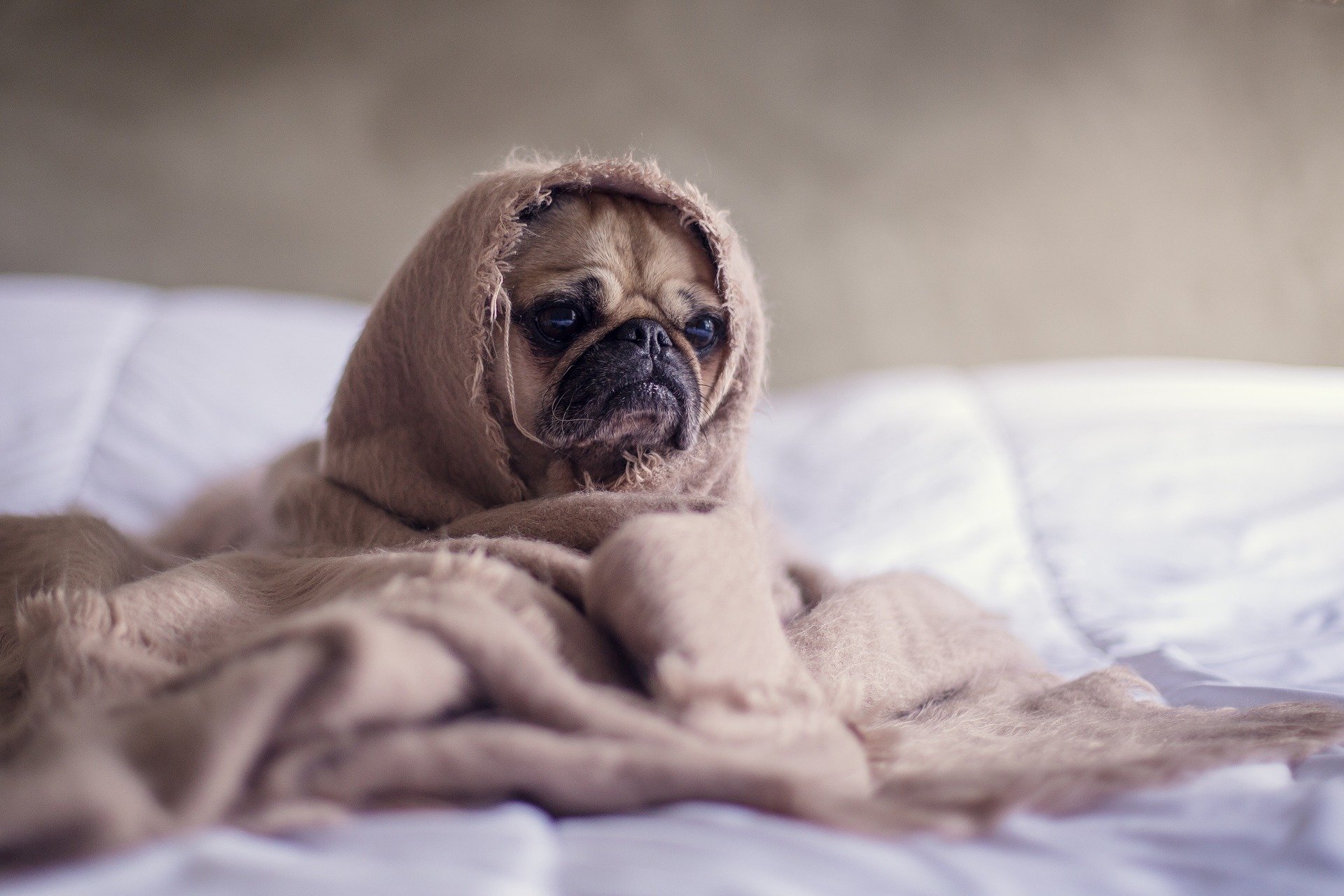
You might have to give it a once-over with the lint roller depending on what kind of breed you have. Shed control stays a constant challenge for any pet owner.
Regular brushing and bathing keep loose hair under control. Cat owners should change the litter box and give it a thorough cleaning.
You can soak their toys, leashes, and collars in soapy water. You can also run many of them through the washing machine if the materials allow it.
Don’t be afraid to throw things out. There’s no end to the effort you can waste on trying to resurrect what is effectively a rag or chew toy. The point is to minimize the potential smell culprits. Once we know the smell isn’t our pet or their crate, we can hone in on other sources.
Ways To getting Rid Of The Smell
Once you’ve located the smelly area, there’s going to be an evaluation of materials and the staining intensity. Then again, you probably wouldn’t need this guide if that was the extent of the problem.
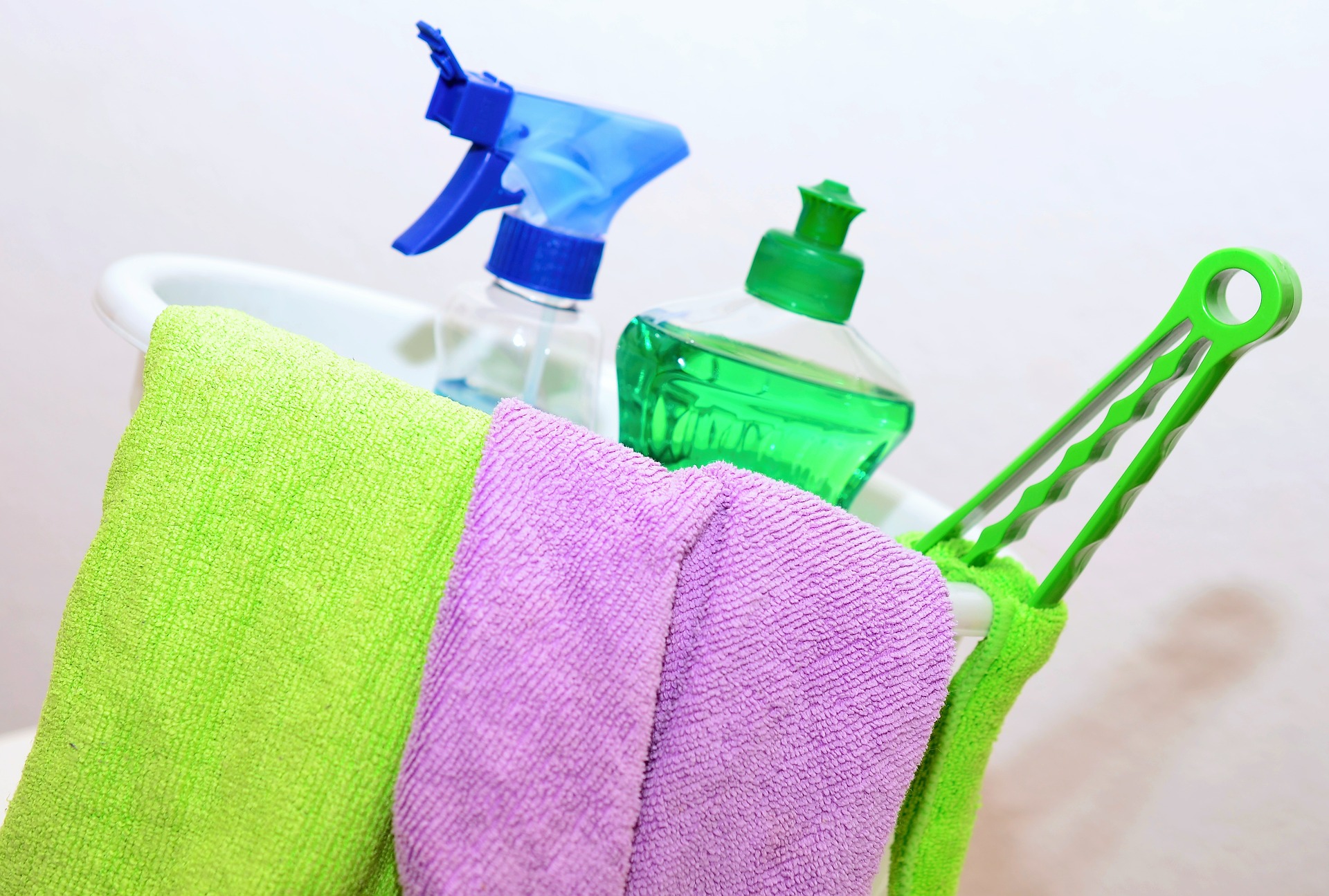
Which Cleaners Are The Most Effective?
There are a few options when it comes to what cleaner is used. Vinegar and water in equal parts is a cheap and powerful deodorizer that can be found in most homes. It works better if applied quickly after the mess is made.
Small spots rarely cause trouble, but large areas need more than vinegar.
Avoid steamers on textiles and upholstery.
Heat bonds animal proteins to the fabric and locks in the smell forever.
Sell smarter
List your home on the MLS for $99
No listing agent, no 3% commission. Beycome handles your MLS listing so you keep more of what your home is worth.
Sell your home →Buy smarter
Get up to 2% back at closing
Buy any home with a Beycome agent and receive a rebate of up to 2% of the purchase price — paid to you at closing.
Buy a home →Small spots rarely cause trouble, but large areas need more than vinegar.
Avoid steamers on textiles and upholstery.
Heat bonds animal proteins to the fabric and locks in the smell forever.
For Small Accidents
Most small messes, dry up what you can with paper towels and then apply your vinegar solution or cleaner to the area. Let soak for ten minutes and then dab up with more paper towels or hand towels.
When handling urine on carpets, avoid rubbing or scrubbing the fibers. Press firmly with dry towels to pull out moisture.
After the spot dries, dust baking soda on the area. Vacuum the baking soda once it settles.
This vinegar and baking soda mix handles most carpet stains, but some jobs need stronger enzyme cleaners.
Vinegar works as a mild enzymatic cleaner, but commercial sprays offer stronger power. Pet stain and odor products vary in effectiveness by brand.
They are all considered natural cleaners, as they contain no major or harsh chemicals. They do contain enzymes that can specifically target the biological parts (the stinky parts) of urine and break those down.
If you’ve been having trouble with pet stains in the past, you probably have a bottle of one of these cleaners. Once the area has dried, you can dust on some baking soda and vacuum.
For Big Accidents
For the solids, let’s hope they’re really solid. Number 2 can be a lot easier to clean if the consistency of the stool isn’t too soft. You still want to follow the ‘no scrubbing rule’ until you’ve gotten up every bit of particulate matter than you can. Otherwise, you’re just making the problem worse.
You’ll want to prevent this problem altogether by making sure your puppy is eating properly. The right diet should prevent most diarrhea situations from ever occurring. That’s why it’s important not to feed your puppy a lot of strange and new human food, regardless of how tempted you may be.
Also, it’s a good idea to use bedding made out of a material that can be washed again and again at high temperatures. White might seem like a bad idea for bedding, but bleaching is easy and effective.
There are also enzyme-based laundry additives that can be added to any detergent. At the end of the day, a bottle of enzyme spray, some warm water, and a little diligence will go a long way in preventing future smells.
Carpets are unfortunately susceptible to urine damage because if it’s not cleaned immediately, liquids flow into the pad. You really can’t soak it back out once it gets that dee.
Air quality
A Breath of Fresh Air
Airing out space is the first step in managing any odor. The smell has to go somewhere. Open two windows at either end of the house to create airflow. Often, you’ll find that after a few hours of fresh air, the scent is already dramatically better.
While this helps for the immediate future, the actual scent producers aren’t going away without a little more effort. You still might come to a point where no amount of cleaning can 100% remove that lingering smell. This is where air fresheners, scented candles, and diffusers can come in handy.
Air Filters
When looking at air filters, it’s crucial to know that HEPA filters are not for smells. They will help for dander and hair in the air, which ultimately might subtly help the scent, but if an air filter doesn’t contain an activated carbon filter, it’s not going to do a lot for the smell.
These are not cheap solutions, either. Filters designed for smaller rooms will quickly run you over $100. The larger systems can run closer to 4 digits and beyond.
Smell That Has Gone Too Far
With that being said, what do we do with the horrible smells?
It’s happened to all of us at some point. We walk in somewhere and get hit in the face with an immense animal odor. Even after the animals and their owners are long gone, the stench lasts and lasts.
It is because of the way those stinky biological agents get down into materials and stay there. If you don’t deal with the stains properly when they happen, they build up on top of each other.
There comes a point when no amount of cleaning is going to pull all that compounded biological matter back out of the porous surface. Even stone surfaces, concrete, and other non-porous surfaces can eventually become stained if left for long enough.
But wood, carpet, and laminate subfloors can be ruined much quicker. Animal urine does have a slightly caustic nature to it due to the ammonia content, so even protected wood products like furniture will eventually yield if not properly controlled.
A Little DIY Can Yield Big Results
Trim and low window sills often take the most damage, but they’re also the easiest to fix. Sanding removes the damage, but you might discover it runs deeper than expected.
Wood filler works well on square trim, and you can cut out larger sections for repair. Rounded or detailed trim usually needs full replacement.
Trim and even drywall can be patched and replaced if the damage isn’t too widespread. It often comes down to the amount of time it’s been there to determine whether or not it needs replacement.
A strong marking mess often looks huge, but you can wipe it away if it hasn’t been sitting long.
… Or Maybe Not
Only in the most extreme situations where hoarding or animal overpopulation was an issue over long periods do you see the terrible structural damage. In the most severe cases, entire subfloors and floor joists have to be ripped out.
If you face a smelly subfloor, you can try cheaper odor-blocking paints or seals, but results vary by space.
They help in some situations, but sealing the subfloor often leads you close to replacing it.
If you’re not comfortable with that level of carpentry, ask a friend or watch a YouTube tutorial.
You can get that smell out quickly with the right help.
Hopefully you never face this problem, but you can fix anything with elbow grease, enzymatic cleaners, and maybe new joists.
Also, discover Essential Cleaning Tools Every Pet Owner Should Have
Other Resources That You May Be Interested In