
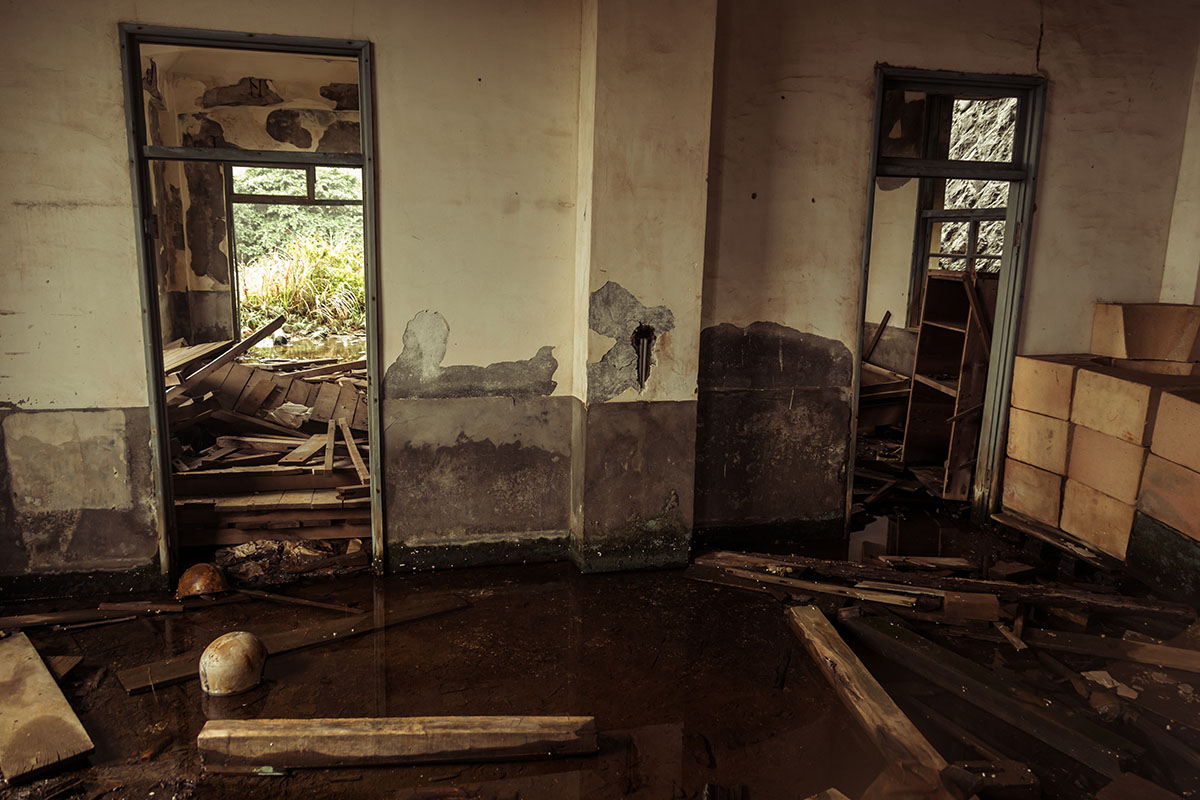
You’ve probably heard stories about people who found their homes flooded after coming back from vacation, something that has got to be one of the most devastating things anyone can ever experience. There are so many ways this can happen, like a burst pipe, flooded basements, leaking appliances, or sewer backups.
You should know that you have to deal with water damage as soon as possible before mold starts forming since it can have a hazardous effect on your and your family’s health. Working with a water damage restoration company early can help identify hidden moisture and prevent long-term issues. Water damage can cause safety hazards and structural problems that you may not be able to notice until it is too late.
Your top priority should be to stop the leak.
For detailed instructions and tips on addressing this issue, check out a comprehensive guide on how to stop a water leak and prevent further damage to your property. Once you’ve done that, there are certain steps that you should take to deal with the water damage in your home. Here’s exactly what we mean by that.
Safety First
The first step in any water-damage disaster is to protect yourself and your family. Turn off the power right away. Water and electricity create a dangerous mix. If you must stand in a wet area to reach the breaker, call your electrician instead. It is important to know that you shouldn’t enter a flooded home before turning the power off. In order to avoid getting injured, you should only wear protective clothing like rubber boots and gloves. You should also protect your valuables; remove your rugs, and lift your wooden furniture and put foil under the feet.
Call Water Damage Service
After you make sure that you and your family are safe, it is time to call a water damage service. Don’t wait for the water to dry and expect everything to go back to normal; that won’t happen. According to the best highly trained water damage specialists West Hartford has to offer, if you don’t act quickly, mold can set in and affect the quality of the air in your home which can put your and your family’s health in danger. Even if the water looks like it has dried out, it could have easily seeped into the house’s walls and floors, which may damage the overall structure.
Sell smarter
List your home on the MLS for $99
No listing agent, no 3% commission. Beycome handles your MLS listing so you keep more of what your home is worth.
Sell your home →Buy smarter
Get up to 2% back at closing
Buy any home with a Beycome agent and receive a rebate of up to 2% of the purchase price — paid to you at closing.
Buy a home →Check for Mold
Mold can develop after 24 hours of water flooding and when the mold starts growing, it will be very hard to remove. You should test for mold immediately because if it gets bad you will have to remove the affected areas. It is better to hire a professional to take care of the mold problem for you. If you want to avoid losing any of your items to mold then you should remove them from the water and start drying them. You have to be careful while drying your things as you can be spreading mold spores throughout your home. Again, hiring a professional comes in handy as they can handle the drying process with fewer chances of spreading mold.
Contact Your Insurance Company
The expenses of fixing the water damage in your home shouldn’t fall on your shoulders. You should contact your homeowner’s insurance company to learn about your options. Needless to say, your insurance will vary depending on the policy you have. They will send you someone to have a look at the damages and make an assessment to determine if your loss should be covered. You should document everything and take pictures of the damages before, during, and after the clean-up.
Dry out Your Home
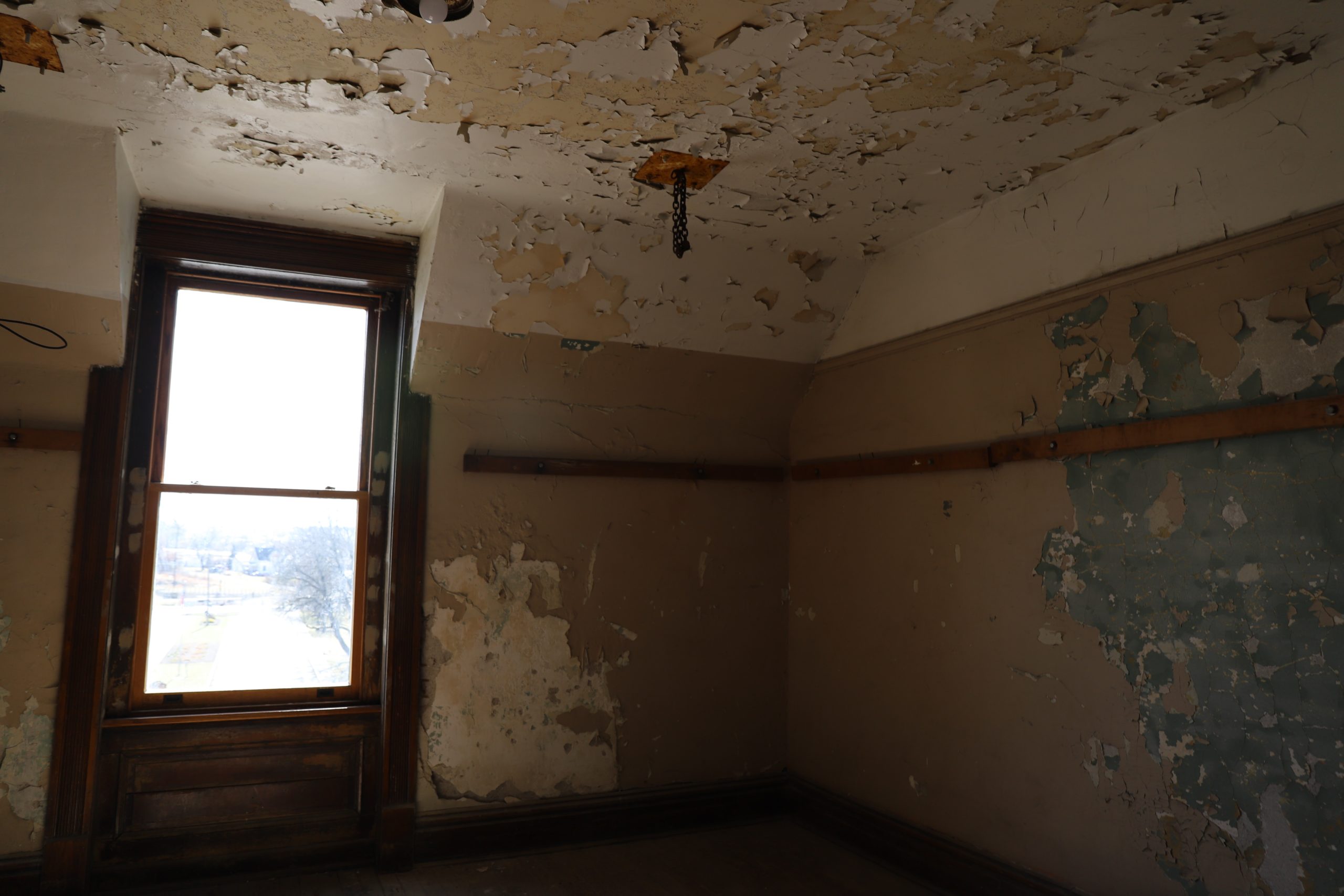
Once all the standing water in your home is removed, you will have to dry all of your damp belongings. If it is safe and you can get the power back on, then you should turn on your air Use an air conditioner to remove humidity. You can also use dehumidifiers and fans to dry damp areas. You must dry the home within 24 hours. Make sure the house becomes fully dry within three to four days to prevent mold and mildew.
Water damage creates a serious problem for any homeowner. You can fix it if you act fast and follow the right steps. Urgency matters because mold and mildew grow quickly. Protect your safety first by calling an electrician to turn off the power. Hire a water-damage service to repair the home and check for mold. Dry every area as soon as possible. Contact your homeowner’s insurance company to report the damage and request coverage. With quick action, you can return to a clean, dry, and mold-free home.
