

When considering renovations or upgrades to your home’s flooring, many homeowners have a tough time deciding. There are many flooring options to chose from. In the USA, 86% of homeowners choose between carpet, wood, and tile. Each option has it’s own advantages; carpet provides lush comfort under your feet, wood flooring is classic beauty, and tile is durable. Like everything in life, each option has its ups and downs. Let’s examine them now.
Carpeting
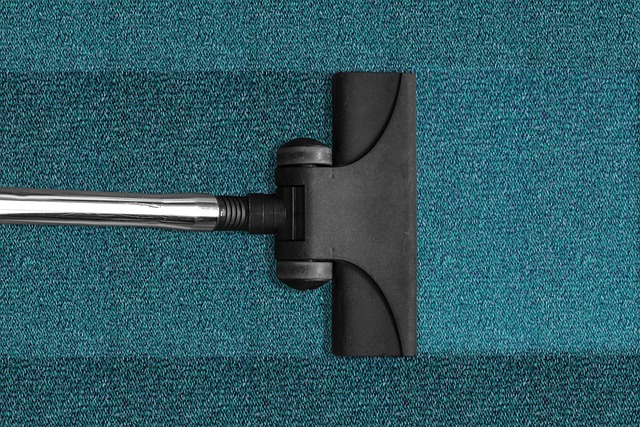
The Upside
As the most inexpensive option of the 3, carpet can add a pleasant feel to any home. One of the great things about carpeting is its options, style, and versatility! Since carpeting comes in thousands of different colors, textures, and patterns, shoppers can find soft flooring that perfectly fits their sense of style.
With such ease of installation and low prices, it’s the best option for homeowners or anyone who likes to change their home decor every few years. In today’s age, most carpets are made stain resistant- making it more difficult for stains to pass below the surface- allowing easy clean up.
Carpeting is great insulation during the winter and summer months too. It assist in keeping cold air, drafts, and heat from seeping into the floor- making it great for controlling heating and cooling cost. Lastly, carpets are also a great sound barrier, reducing sound from TV’s, human conversation, and squeaky old floors.
The Downside
Beside the fact that carpeting cannot be consistently applied in the entire home, such as bathrooms and kitchens, one major drawback to carpeting is the material is much denser than the other options, allowing it to absorb all kinds of invisible floaters in the air.
For a shopper with allergies, carpets may be the wrong choice as the carpets fiber can catch and hold dust, dirt, bugs, hair, and bacteria. Carpets can also have scents that become oblivious to the homeowner.
For example, if the homeowner is a smoker inside the home, visitors and guests maybe greeted by its stench while the homeowner is so use to it that they do not even notice. What about your pets? Your cat Jerry, has decided to spray the entire carpet during its heat stage or pull up the carpet corners as it sharpens its paw nails.
Lastly, carpeting is not for you if you live in a flood zone. When carpets get damp and are not dried out properly and completely, you can look forward to 2 gifts, mildew/mold & stench!
Wood Flooring
The Upside
If imitation is the highest form of flattery, trees everywhere must be blushing. Although wood itself is extremely beautiful, wood laminate flooring are becoming more popular due to there “realistic” looks and low cost. Traditional wood planks made of oak, maple, and other types of hard woods are still popular, though.
Besides being beautiful and classy, hardwood floors are fairly easy to keep clean and maintain with the simplicity of a broom, mop, and wood cleaning solution.
If allergies are an issue, hardwood floors do not allow room for allergens to hide like a carpet does. Another great option with wood floors is the versatility to change a rooms style, feel and look by adding a rug or larger carpet on top of the wood.
This not only can protect the floor, it also can give your feet a nice surprise when barefoot. You can also consider choosing engineered hardwood flooring for your home. Know more about what is engineered hardwood floors and why they can be the best option for you.
The Downside
Although they look great, wood flooring has its drawbacks. Like carpeting, it cannot be installed everywhere throughout the home. For example, wood floors in a bathroom or kitchen are not ideal because the moisture can cause the boards to lift, crack or rot.
If you are a dog owner and love your dog, know that your dog will hate your wooded floor because their padded paws cannot grip it.
Another drawback to wood flooring is constant creaking. There is no such thing as quiet walk in a wood-floored home. Wood floors eventually squeal and squeak when someone walks. TVs, conversations, and music sound louder on wood floors. The lack of insulation lets sound travel and bounce around easily.
Tile Flooring
The Downside
Tile’s durability creates a hard surface that can strain your feet and back.
Standing for hours on ceramic tile often leads to aches.
Tile without radiant heat feels cold and uninviting.
In cold climates without radiant heat, you’ll need slippers on winter mornings.
Unlike carpeting, tiling requires no insulation, and therefore, it does not regulate or dampen the sound in a room. Lastly, grout should be non-toxic and well-sealed to ensure its durability.
Making the Final Decision
To choose your final option, compare the list below and decide what fits your family, vision, and budget:
- Price – Based on quality and style, expect prices to increase from Carpet to Tile to Wood, respectively.
- Installation – You can install carpet and tile yourself, but tile cutting needs power tools and careful leveling. Because of the expense and special skills needed, professionals should always install hardwood floors for the best result.
- Comfort – The plush feel of new carpet wins this race every time. Hardwood floors feel cold in winter, but their natural materials support long, comfortable standing and walking. Of the three choices, hard ceramic tile provides the least comfortable surface.
- Durability – When properly installed, ceramic tile will last for a lifetime. Hardwood flooring delivers strong durability, but water and daily use can cause damage and scratches.
- Even with proper care, most carpeting will last up to 10 years.
- Maintenance – All types of flooring require some form of maintenance. Tile flooring and laminate can be simple care for with a basic sweep and mop. Hardwood floors require more specific chemicals and eventually sealing, waxing, and refinishing. Carpeted floors should be vacuumed on a regular basis, spot-treated as needed, and shampooed at least twice a year.
Discover the 2023 floorings trends
Other Resources That You May Be Interested In