
Updated October 2026. Pest facts checked against the U.S. EPA’s bed bug pages; landlord rules checked against the 2026 Florida Statutes and the California Civil Code, all read October 29, 2026. General information, not legal advice.
When a tenant reports bed bugs, a landlord should confirm the pest, inspect the unit and the units around it, hire an experienced pest professional, and keep written records of every step. Who pays depends on state law and the lease. In Florida, as of October 2026, s. 83.51 makes landlords of most rentals other than single-family homes and duplexes responsible for bed bug extermination unless the lease says otherwise in writing.
Jump to: 🪜 Confirm it · ⏱️ Respond fast · 📍 Who pays · 🏠 Prevent it · 🤝 Selling a rental · ❓ FAQ
Key takeaways
- The EPA, CDC and USDA call bed bugs a public health pest, but they’re not known to spread disease.
- Florida (s. 83.51): landlords of units other than single-family homes and duplexes must provide for bed bug extermination, with 7 days’ written notice if tenants must leave, for up to 4 days, with rent abated.
- California (Civil Code 1954.602–1954.603): no showing or renting a unit with a known infestation; written bed bug notice to new tenants since July 1, 2017.
- The EPA counts 21 states with some bed bug law or rule, so check yours.
Few calls make a landlord’s stomach drop like “I think we have bed bugs.” It’s stressful for the tenant, it can spread to the next unit, and it costs real money if it drags on. The good news: a calm, fast, organized response usually keeps it to one unit and one treatment plan. Here’s what that looks like.
How do you confirm it’s really bed bugs?
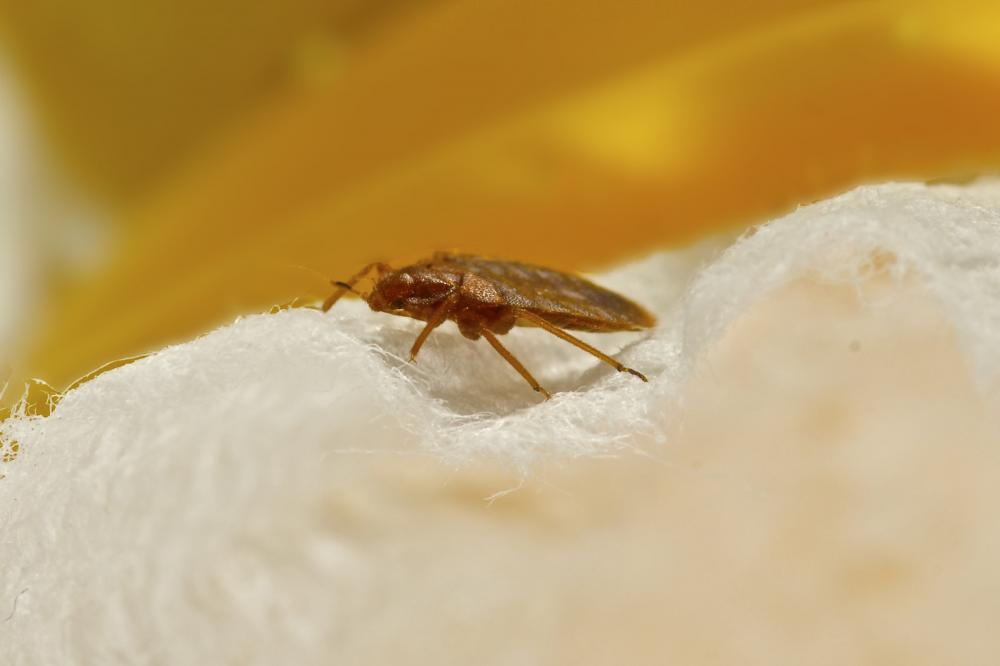
Bites alone won’t tell you. The EPA says bites are a poor indicator, since they can look like mosquito or chigger bites, rashes or hives, and some people don’t react at all. Carpet beetles are often mistaken for bed bugs, too. Look for physical signs instead:
- Rusty or reddish stains on sheets or mattresses from crushed bugs.
- Dark spots about the size of a period, which are droppings that bleed into fabric like a marker.
- Tiny pale yellow eggs or shed skins, about 1 mm.
- Live bugs, often in mattress seams, tags and piping, and in cracks of the bed frame and headboard.
In heavy cases the EPA says they also hide in couch seams, curtain folds, drawer joints, outlets and behind loose wallpaper. They can travel 5 to 20 feet from a hiding spot to feed. A quick rule from the EPA: if a crack will hold a credit card, it could hide a bed bug.
Not sure? The EPA suggests collecting a sample and showing it to your county extension office, which can identify pests at no cost. Our article on steps to take if you think you have bugs walks through a first check.
What should a landlord do after a bed bug report?
Speed matters most. The EPA’s guidance for landlords says treating a small infestation is far cheaper and easier than treating a spread one. A practical sequence:
- Reply in writing the same day. Thank the tenant for reporting it. The EPA warns that blaming tenants makes people delay reports, and there’s often no fault involved.
- Inspect promptly, with a pest professional if you can.
- Check the neighbors. The EPA notes some researchers recommend treating all adjacent units: both sides, above and below.
- Hire experience. Pick a company with documented bed bug work and a full plan, not just spraying. Professional exterminators who list their service areas make it easy to see who actually covers your property.
- Help tenants prepare. Good preparation raises the odds of success and lowers the cost, per the EPA.
- Follow up. Monitor treated units until every bug is gone. The EPA suggests checking for at least a year.
Keep a file: the report date, inspection notes, the pest company’s invoice and plan, notices you sent, and follow-up dates. It protects you and the tenant if there’s ever a dispute about what happened when.
What about DIY? The EPA lists methods that help but may not finish the job, such as a clothes dryer on high heat, a freezer at 0°F for three days with items sealed in bags, and steam at least 130°F with low airflow. It warns against rubbing alcohol, kerosene or gasoline, which can ignite, and says foggers shouldn’t be your only tool. In a rental, a professional plan is usually the safer call.
Who pays for bed bug treatment in a rental?
It depends on your state, your city and your lease. The EPA says 21 states have some level of bed bug law or regulation, mostly aimed at hotels and landlords, and some cities, such as Chicago, have their own. Two examples:
| State | Rule | What it means in practice |
|---|---|---|
| Florida, s. 83.51(2)(a)1 (2026 Florida Statutes) | Unless agreed otherwise in writing, landlords of units other than single-family homes and duplexes must make reasonable provision for extermination of bed bugs (and rats, mice, roaches, ants and wood-destroying organisms). | If tenants must leave for treatment, the landlord gives 7 days’ written notice, the stay away can’t exceed 4 days, and rent is abated. The landlord isn’t liable for damages. |
| California, Civil Code 1954.602 | A landlord can’t show, rent or lease a vacant unit the landlord knows has a current infestation. | No duty to inspect without notice, but an infestation visible on inspection counts as notice. |
| California, Civil Code 1954.603 | Since July 1, 2017, a written bed bug notice goes to every prospective tenant before a new tenancy. | The notice covers identification, the importance of cooperation and how to report suspected bugs. |
Renting out a single-family home or duplex in Florida? That extermination duty in 83.51(2)(a) doesn’t automatically apply, so the lease matters even more. Our guides to Florida landlords’ rights and duties and renter rights and duties in Florida cover the wider picture. In any state, a local landlord-tenant attorney can tell you how the rules apply to your building.
How can landlords prevent bed bugs?
The EPA’s landlord checklist starts before anyone moves in:
Sell smarter
List your home on the MLS from $99
A flat fee instead of a percentage, and $0 to Beycome at closing. You stay in control of your sale.
Sell your home →Buy smarter
Get up to 2% back at closing
On homes listed by other agents, Beycome credits you up to 2% of the price at closing (1% kept, $1,499 minimum; not on FSBO homes or homes listed by Beycome sellers).
Buy a home →- Learn the rules that apply where you rent, including any reporting duties.
- Inspect each unit carefully when a tenant moves out.
- Give current and new tenants a short flyer on prevention and on reporting quickly.
- Train staff, if you have any, to spot signs and know what to do.
- Line up a pest company with bed bug experience before you need one.
Simple building fixes help too. The EPA suggests sealing small cracks with caulk to remove hiding places, and mattress and box spring encasements trap any bugs inside. Clutter gives them more places to hide, so a clear lease clause on cleanliness is fair to everyone.
For more on general pest control, read Pest Prevention Tips and Tricks for Keeping Bugs at Bay, Dealing With a Pest Infestation at Home: 4 Things You Can Do and You Need To Hire Pest Control Services ASAP If You See These Signs. Choosing tenants carefully matters as well; see our landlord’s guide to tenant screening.
What if you want to sell the rental after an infestation?
Finish the treatment, get the pest company’s written clearance, and keep the paperwork. A past, treated problem is a normal part of owning rentals. A current one is something buyers and inspectors will find. Disclosure rules vary by state, so read our guide on seller disclosures and ask a local attorney if you’re unsure. If you’re weighing whether to keep renting or sell, this rent-or-sell checklist helps.
Beycome lists homes on the major home search sites and the MLS with flat fee MLS packages from $99 and $0 Beycome fee at closing, in 17 states and DC. Rentals with tenants in place are common listings. Prefer an expert working with you through showings and offers? Concierge is $1,399, and every decision stays yours.
Bed bugs in rentals: questions
Is the landlord responsible for bed bugs?
Often, but it depends on state law and the lease. In Florida, s. 83.51 puts extermination on landlords of units other than single-family homes and duplexes unless the lease says otherwise in writing.
Can a tenant break a lease over bed bugs?
Sometimes, under state rules on habitability and repairs, but it varies a lot. Tenants and landlords should check their state law or ask a local attorney.
Do bed bugs spread disease?
The EPA says they’re not known to transmit disease, though bites can cause allergic reactions, skin infections and stress.
How long does bed bug treatment take?
The EPA says weeks to months, depending on the size of the infestation and how well everyone cooperates. Keep checking for at least a year.
Should I treat the units next door?
Inspect them at least. The EPA notes some researchers recommend treating adjacent units on both sides, above and below.
Can I rent out a unit that had bed bugs?
After it’s treated and cleared, yes. In California, Civil Code 1954.602 bars showing or renting a unit you know has a current infestation.
General information, not legal advice; landlord-tenant rules vary by state, city and lease. Florida rule from s. 83.51, 2026 Florida Statutes; California rules from Civil Code 1954.602 and 1954.603 (added by Stats. 2016, Ch. 599); pest facts from the U.S. EPA; all read October 29, 2026.
Beycome prices as of October 2026. “$0 at closing” means no Beycome fee at closing; other closing costs still apply. Concierge is $1,399 and Basic is $129 in California and Illinois.
Sources
- U.S. EPA, What Landlords Need to Know about Bed Bugs, read October 29, 2026.
- U.S. EPA, Introduction to Bed Bugs, read October 29, 2026.
- U.S. EPA, How to Find Bed Bugs, read October 29, 2026.
- U.S. EPA, Do-it-yourself Bed Bug Control, read October 29, 2026.
- U.S. EPA, Bed Bug Laws and Regulations, read October 29, 2026.
- The 2026 Florida Statutes, s. 83.51, Landlord’s obligation to maintain premises, read October 29, 2026.
- California Civil Code 1954.602 and 1954.603, read October 29, 2026.
- Beycome, listing package features, October 2026.
Disclosure & Disclaimer
Beycome provides real estate services through affiliated licensed brokerages and has a commercial interest in the services and business models discussed on this blog. Content reflects Beycome’s perspective and may promote our services; it should not be treated as independent or neutral reporting.
Articles are provided for general informational and educational purposes only, not as financial, tax, legal, or investment advice or a recommendation for your particular situation. Reading this blog does not create a brokerage, advisory, or other professional relationship.
Information, opinions, pricing, service descriptions, and comparisons reflect the sources and information available when an article was published or last updated and may change. Although we aim for accuracy, we do not guarantee that all content is complete, current, or applicable to your circumstances. Laws, market conditions, and service availability vary by location. Examples and estimated savings are illustrative, depend on stated assumptions, and do not guarantee individual results.
Verify relevant information directly and consult qualified professionals before making decisions. Beycome services are subject to applicable agreements, eligibility requirements, and state-specific terms.

