
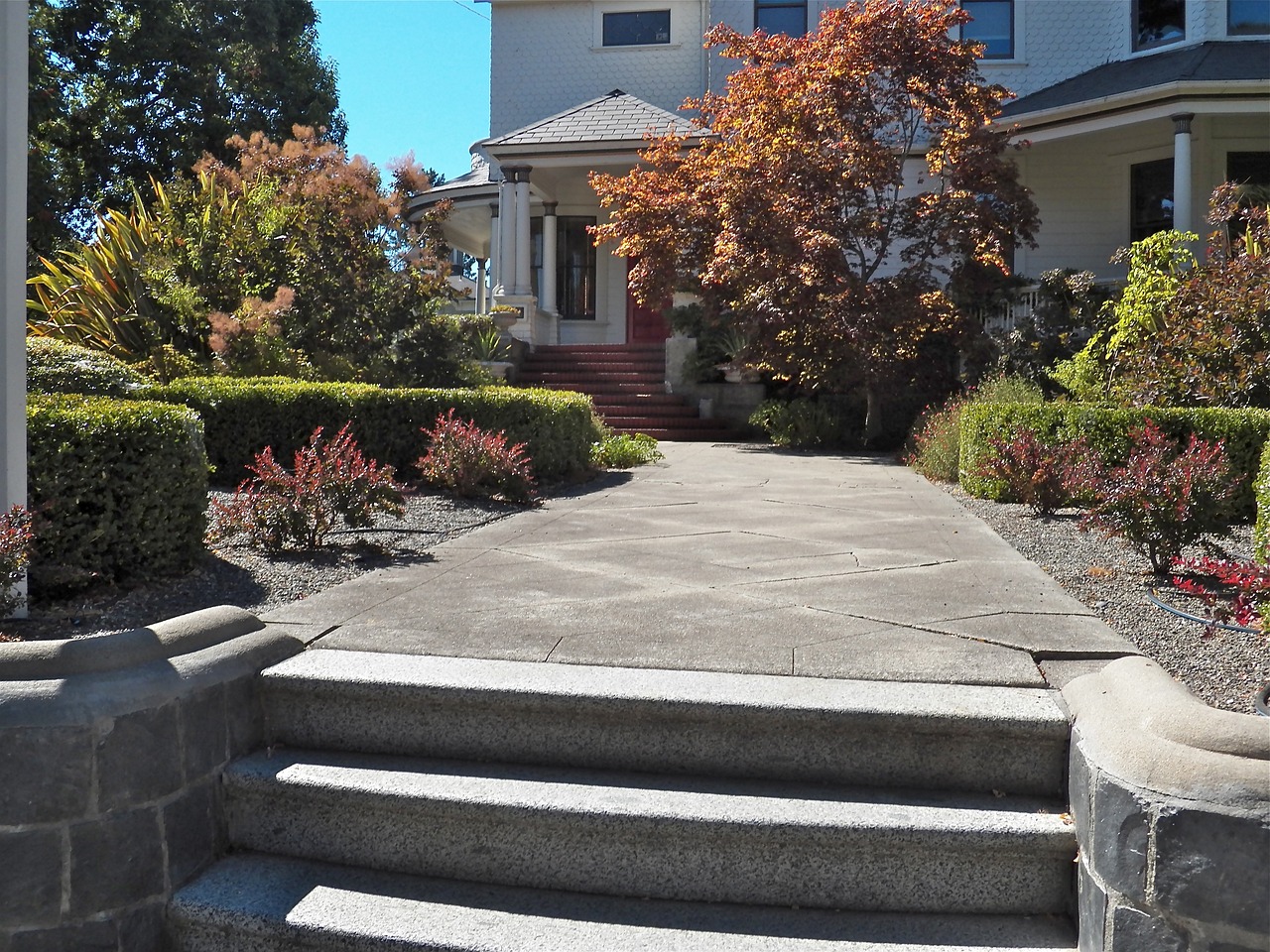
Updated October 2026. Low-maintenance yard ideas for your first year in a new home, with the water and resale numbers behind them. EPA, University of Minnesota Extension and NAR sources were read on October 27, 2026.
The lowest-maintenance yards use native and drought-tolerant plants, less lawn, 2 to 3 inches of mulch, and drip lines on a smart timer. It matters: US homes use nearly 8 billion gallons of water a day outdoors, and as much as half is wasted (EPA, October 2026). A WaterSense controller alone can save up to 15,000 gallons a year.
Jump to: 🏠 Plants · 🪜 Less lawn · ⏱️ Watering · 📸 Hardscape · 💲 Resale · ❓ FAQ
Key takeaways
- Pick plants for the soil, light and space you have. That one choice cuts more work than any gadget.
- Mow at 3 inches or higher and water lawns only between 4 and 8 a.m., per University of Minnesota Extension.
- Swapping a clock timer for a WaterSense controller can save up to 15,000 gallons a year (EPA).
- When you sell, curb appeal pays: $415 of lawn care was estimated to return $900 (NAR, 2023).
Your first spring in a new house is when the yard either becomes a weekend chore or something you barely think about. The choices below are for the second kind. Most cost little, and a few pay you back in water bills and, later, at resale.
What are the best low-maintenance plants for new homeowners?
Start with what already grows well near you. Native plants are adapted to the local climate, soil and pests, so they need less water, feeding and spraying than exotic ones. Your county extension office lists them for free.
Then add drought-tolerant plants. In dry climates, succulents, lavender and sage are easy picks. In temperate zones, sedum and Russian sage hold up well. For shrubs, the University of Minnesota Extension names sumac, spirea, ninebark, potentilla, smoke bush, junipers and forsythia as drought-tolerant. For trees, it lists ginkgo, hackberry, honeylocust, tree lilac and bur oak.
Perennials instead of annuals
Annuals last one season. Perennials come back every year, so you plant once. Coneflowers, hostas and daylilies are tough, common and cheap. Mix early, mid and late bloomers so something is always flowering without you replanting.
Low-maintenance trees and shrubs
Evergreen shrubs keep their color all year and need little pruning. Slow-growing shade trees like oaks and maples give privacy and cool the house in summer. New trees and shrubs need water once a week at the root ball until they’re established, per the Extension. After that, water only when the top 6 to 9 inches of soil are dry.
How do you cut down on lawn care?
Grass is the hungriest part of most yards: mowing, watering, feeding, weeding. Shrink it. Clover and ground covers like creeping thyme grow dense enough to crowd out weeds and need less water.
For the lawn you keep, two settings make the biggest difference. Set the mower to 3 inches or higher so roots grow deeper. And water only when the grass needs it, between 4 a.m. and 8 a.m., when less water is lost to evaporation (University of Minnesota Extension).
Mulch for weeds and soil
A layer of mulch blocks weeds, holds moisture and feeds the soil as it breaks down. The Extension suggests 2 to 3 inches of organic mulch. Shredded bark and wood chips are ideal for gardens with trees, shrubs or flower beds. Top it up once a year and you’ll weed far less.
What watering setup saves the most time and water?
The average US household uses more water outdoors than for showers and laundry combined, according to the EPA’s WaterSense program. Most of it goes to irrigation, and experts estimate up to half is wasted through overwatering (EPA).
- Drip lines and soaker hoses put water at the base of plants, where it’s needed, and keep leaves dry.
- A WaterSense labeled controller adjusts to weather and can save an average home up to 15,000 gallons a year.
- Rain barrels catch free water for beds and pots.
- Self-watering planters hold a reservoir at the bottom, so pots on a hot patio go days without attention.
Water deeply and less often; it trains roots to go deeper. Before you water, feel the top 6 inches of soil. If it’s dry, it’s time. That simple habit, and the rest of the watering process tips from the Extension, beats any schedule you guess at.
Which hardscaping ideas need the least upkeep?
Stone paths, a gravel bed, a paver patio and decorative rock add structure and cut the area you have to plant and tend. They also help manage runoff and divide the yard into areas. For more ideas, see our guide to ongoing maintenance solutions for busy owners.
A rock retaining wall
On a sloped yard, a rock retaining wall holds soil, stops erosion and creates flat planting beds. Stone doesn’t rot, attract termites or need paint. Once it’s built right, it needs almost nothing.
Sell smarter
List your home on the MLS from $99
A flat fee instead of a percentage, and $0 to Beycome at closing. You stay in control of your sale.
Sell your home →Buy smarter
Get up to 2% back at closing
On homes listed by other agents, Beycome credits you up to 2% of the price at closing (1% kept, $1,499 minimum; not on FSBO homes or homes listed by Beycome sellers).
Buy a home →Built right is the hard part. The wall needs the right height, a solid base and drainage behind it, or water pressure will push it over in a few seasons. Taller walls often need a permit and sometimes an engineer, so check with your city. A search for a rock retaining wall near me is a quick way to find builders who do this work and can show past jobs.
Does low-maintenance landscaping help when you sell?
Yes, and the cheap work counts most. In NAR’s 2023 outdoor report, REALTORS® estimated standard lawn care (six seasonal treatments, $415) would return $900 at sale, or 217%. Landscape maintenance returned 104%, and a new paver patio about 95%. Ninety-two percent of REALTORS® recommend improving curb appeal before listing (NAR). Our list of ideas that increase house value has the inside projects too.
A yard that takes an hour a week is also a selling point in itself. Say so in your listing: “drip irrigation on a smart timer, native beds, mulched.” Buyers who work long hours look for that line. On a big lot, the yard is a bigger share of the value; our guide to how acreage affects property value explains why. Planning more projects first? Work through the home renovation checklist.
When that day comes, Beycome lists your home on the MLS from $99 with $0 at closing; see the flat fee MLS plans. Enhanced, at $399, adds pro photos to show off the yard. And if you’re still house hunting, the Beycome buyer program is open to every buyer on homes listed by other agents (the commission credit can’t apply where no buyer-agent commission is offered, like most FSBO homes, or on homes listed by Beycome sellers). Beycome keeps 1% of the price, minimum $1,499, and credits the rest at closing, with lender approval. Our first-time buyer checklist covers what to check in a yard before you buy.
Frequently asked questions
What are the best low maintenance plants for new homeowners?
Native plants first, then drought-tolerant ones: succulents, lavender and sage in dry areas; sedum and Russian sage in temperate zones. Hardy perennials like coneflowers, hostas and daylilies come back every year.
How can I make my yard low maintenance on a budget?
Shrink the lawn, add 2 to 3 inches of mulch to beds, plant perennials and switch to drip lines. A WaterSense timer costs more up front but can save up to 15,000 gallons a year.
How often should I water a new lawn or new shrubs?
New trees and shrubs need water at the root ball about once a week until established. Lawns need water only when dry; water between 4 and 8 a.m. (University of Minnesota Extension).
Is artificial turf or clover better than grass?
Clover and ground covers like creeping thyme need less water and mowing than grass and crowd out weeds. Artificial turf needs no water but costs more and gets hot in the sun.
Do I need a permit for a retaining wall?
Often, for taller walls. Rules vary by city, so check before you build. A professional installer will know the local height limits and drainage rules.
Does landscaping add value to a home?
Yes. NAR’s 2023 outdoor report estimated lawn care returns 217% of its cost and landscape maintenance 104%. Most REALTORS® recommend improving curb appeal before listing.
Water figures: EPA WaterSense outdoor and irrigation controller pages. Plant and watering guidance: University of Minnesota Extension (Minnesota-focused; check your own county extension). Resale figures: NAR 2023 Remodeling Impact Report: Outdoor Features, national estimates. All read October 27, 2026.
Prices as of October 2026 and subject to change. Basic $99 and Enhanced $399; Concierge is $1,399. Basic is $129 in California and Illinois ($99 elsewhere). “$0 at closing” means no Beycome fee at closing; taxes, title, escrow and any buyer-agent compensation you agree to still apply.
Cancel free*: no cancellation fee (*Georgia MLS charges a mandatory $25; listings under contract can’t be canceled); no refund once the listing is live. Listing term**: the maximum the state and MLS allow (**24 months; 12 in Maryland and Pennsylvania). On Basic and Enhanced, offer and negotiation help comes from the Artur AI assistant, not a person; a person negotiates only on Concierge.
Buyer credit: no upfront fee; Beycome keeps 1% of the price (minimum $1,499) and credits the rest of the buyer-agent commission at closing, with lender approval. It applies to homes listed by other agents, not to most FSBO homes (no buyer-agent commission offered) or homes listed by Beycome sellers. General information, not legal, tax or financial advice; rules vary by state and MLS.
Sources
- EPA WaterSense, outdoors, read October 27, 2026.
- EPA WaterSense, labeled irrigation controllers, read October 27, 2026.
- University of Minnesota Extension, Water wisely: start in your own backyard, read October 27, 2026.
- NAR, 5 outdoor projects that pay off the most, read October 27, 2026.
- Rainier Rockeries, rock retaining walls, read October 27, 2026.
- Beycome, listing package features, October 2026.
Disclosure & Disclaimer
Beycome provides real estate services through affiliated licensed brokerages and has a commercial interest in the services and business models discussed on this blog. Content reflects Beycome’s perspective and may promote our services; it should not be treated as independent or neutral reporting.
Articles are provided for general informational and educational purposes only, not as financial, tax, legal, or investment advice or a recommendation for your particular situation. Reading this blog does not create a brokerage, advisory, or other professional relationship.
Information, opinions, pricing, service descriptions, and comparisons reflect the sources and information available when an article was published or last updated and may change. Although we aim for accuracy, we do not guarantee that all content is complete, current, or applicable to your circumstances. Laws, market conditions, and service availability vary by location. Examples and estimated savings are illustrative, depend on stated assumptions, and do not guarantee individual results.
Verify relevant information directly and consult qualified professionals before making decisions. Beycome services are subject to applicable agreements, eligibility requirements, and state-specific terms.

