
Updated October 2026. Ideas for a large yard, checked against EPA WaterSense outdoor water data, the 2023 USDA Plant Hardiness Zone Map and NAR’s 2025 Remodeling Impact Report. Sources were read on October 28, 2026.
A big yard gives you room for gardens, animals, a farm plot, a pool, an outdoor kitchen, a summer house, a sports court, a kids’ zone or a pole barn. Plan water and permits before you build: as of October 2026, EPA says US homes use nearly 8 billion gallons of water a day outdoors, mostly to water lawns and gardens.
Jump to: 🪜 Before you start · 🏠 Nine ideas · 📍 Pole barns · 💲 Resale value · ❓ FAQ
Key takeaways
- The average US household uses more water outdoors than for showering and laundry combined (EPA WaterSense).
- USDA’s 2023 hardiness map sorts the country into 10-degree zones, so pick plants by your ZIP code.
- 18% of homeowners who remodeled did it to prepare to sell within two years (NAR and NARI, 2025).
- Pools, barns and courts usually need a permit; check zoning and any HOA rules first.
It’s always a good feeling to close on a home. Then you walk the property line and realize how much space you’ve got. Maybe you bought acreage on purpose, or maybe the yard just came with the house. Either way, a plan beats a weekend of impulse buys. Below are the ideas we hear about most, with the practical checks that keep them from turning into headaches.
What should you check before changing a big yard?
Three things. First, rules: zoning, setbacks from the lot line, and HOA covenants if you have them. Your county or city permit office can tell you what needs approval. Second, utilities: call 811 before you dig so buried lines get marked. Third, water: EPA WaterSense says outdoor use across US homes is nearly 8 billion gallons a day, and the average household uses more water outside than for showers and laundry combined. Big lawns and gardens show up on your bill.
Then find your climate zone. The 2023 USDA Plant Hardiness Zone Map is based on the average coldest winter temperature, in 10-degree zones and 5-degree half zones. Type your ZIP code into the map and you’ll know which perennials and fruit trees are likely to survive.
What are the best ways to use a large backyard?
1. Themed gardens. A Japanese zen garden, an English tea garden, a fruit orchard or a butterfly garden. The bigger the yard, the more themes fit. Add seating so you actually use them. Our guide to themed gardens and garden upgrades has more.
2. An animal sanctuary. Fence an area for dogs to run, build a “catio” for cats, or set up pens for rabbits or chickens. With enough acreage, goats or horses are possible, if zoning allows livestock. Not an animal owner? A bird or butterfly habitat brings wildlife to you.
3. A small farm. Grow vegetables, keep hens for eggs, plant berry rows. Larger plans need structures like stables or sheds, and maybe an agricultural zoning check. Read things to consider before buying a farm if you’re going big.
4. A pool and spa. An in-ground pool with a screened enclosure works year-round in warm states. Pools almost always need a permit and a safety barrier, and they raise insurance and upkeep costs. If you already have one, see easy ways to refresh a pool.
5. An outdoor kitchen. A grill station, a sink and a counter turn a patio into a second dining room. Designers keep adding ideas, from pizza ovens to covered bars, as this Forbes roundup of outdoor kitchen trends shows. Gas and electric lines need a licensed installer.
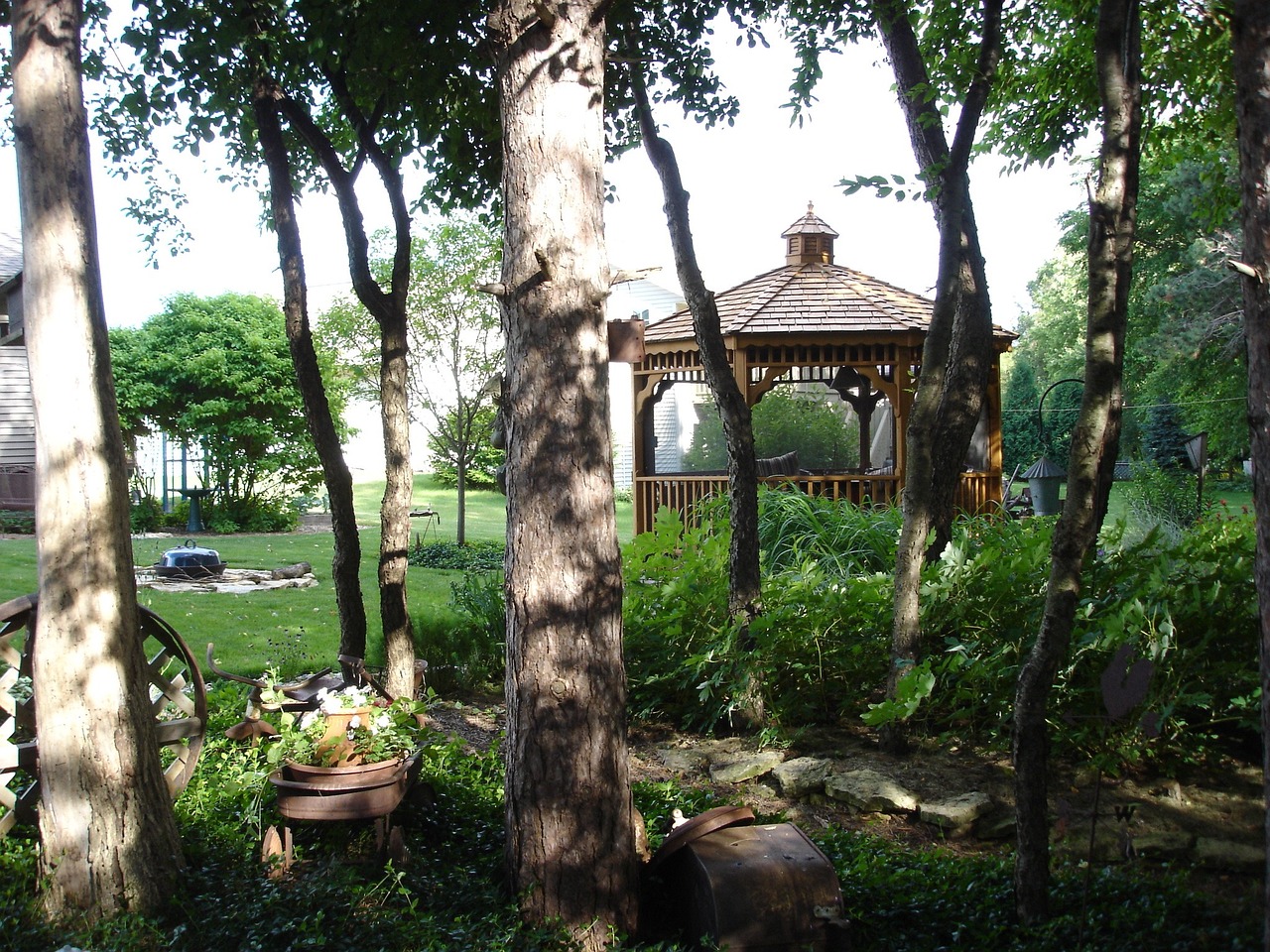
6. A summer house. A small cabin or garden room for reading, birdwatching or naps. Insulate it and add climate control, and it can work as a guest room. Check whether your area counts it as an accessory dwelling, which has its own rules.
7. A sports court. A half-court for basketball, a tennis or pickleball court, or a flat lawn for soccer. Hard courts change drainage, so ask about runoff before pouring concrete.
8. A kids’ zone. A playset, a treehouse, a playhouse or a tire swing. Ask the kids what they’d use; they’ll tell you.
9. Comfort everywhere. Whatever you build, add shade, seating and a water feature or birdhouse. For more, see 4 ways to improve your backyard and how to make your backyard look stunning.
Sell smarter
List your home on the MLS from $99
A flat fee instead of a percentage, and $0 to Beycome at closing. You stay in control of your sale.
Sell your home →Buy smarter
Get up to 2% back at closing
On homes listed by other agents, Beycome credits you up to 2% of the price at closing (1% kept, $1,499 minimum; not on FSBO homes or homes listed by Beycome sellers).
Buy a home →Is a pole barn worth adding?
For many acreage owners, yes. Most barns are pole barns: posts set in the ground carry the roof, so they go up faster than a framed building. They work for storage, a workshop, animals or equipment. Going local often gets better prices on labor and materials; searching for a pole barn builder near me is a good place to start comparing.
Before you sign, confirm the permit, the setback from your lot line and whether the barn will be taxed as an improvement. A new structure can raise your assessed value. Our article on adding a pole barn to your property covers costs and uses.
Will backyard projects raise your home’s value?
Some do, some mostly raise your enjoyment. NAR and NARI’s 2025 Remodeling Impact Report found that 18% of homeowners who remodeled did it to prepare to sell within two years, and that the most common reason was upgrading worn-out surfaces and materials (27%). Kitchens, roofs and bathrooms were the projects where Realtors saw demand grow most. Yards weren’t singled out, so treat big outdoor builds as lifestyle spending first.
A few rules of thumb. Keep projects in line with your neighborhood. Keep permits and receipts, since buyers and appraisers ask. And think about upkeep: a pool or a large garden appeals to some buyers and scares others. If water is a draw for you, houses on the water are another way to get outdoor living.
Still shopping for a home with land?
If you haven’t bought yet, Beycome’s buyer program is open to every buyer on homes listed by other agents (the commission credit can’t apply where no buyer-agent commission is offered, like most FSBO homes, or on homes listed by Beycome sellers). There’s no upfront fee. Beycome keeps 1% of the price, $1,499 minimum, and credits the rest of the buyer-agent commission at closing, with lender approval. On a $400,000 home where the seller offers 3%, you’d get $8,000 back.
That 3% is an example only. Commissions are not set by law or NAR rules and are negotiable; sellers choose whether to offer buyer-agent compensation; and since August 17, 2024, those offers can’t be shown on the MLS. Start your search on Beycome’s buyer page.
Selling a home with a great yard later? Good photos of outdoor spaces matter, and a flat fee MLS listing starts at $99 with $0 due to Beycome at closing (Basic is $129 in California and Illinois). Beycome lists homes in 17 states and DC.
Questions about big backyards
What can I do with a large backyard?
Popular options are themed gardens, a small farm, an animal area, a pool, an outdoor kitchen, a summer house, a sports court, a kids’ play zone or a pole barn.
Do I need a permit for a pole barn?
Usually, yes. Most counties require a building permit and set minimum distances from lot lines. Some rural or agricultural parcels have different rules, so ask your permit office.
How much water does a yard use?
EPA says outdoor water use across US homes is nearly 8 billion gallons a day, mostly irrigation, and the average household uses more outdoors than for showering and laundry combined.
How do I know which plants will grow in my yard?
Look up your ZIP code on the 2023 USDA Plant Hardiness Zone Map. It shows your zone based on the average coldest winter temperature.
Do backyard projects increase home value?
Some can, but NAR’s 2025 report found the biggest growth in buyer demand for kitchens, roofs and bathrooms. Treat large outdoor builds mostly as lifestyle upgrades.
Water figures per EPA WaterSense; zone map per USDA Agricultural Research Service; remodeling figures per NAR and NARI’s 2025 Remodeling Impact Report news release. All read October 28, 2026. Permit, zoning and HOA rules vary by county and community.
Beycome prices as of October 2026. “$0 at closing” means no Beycome fee at closing; other closing costs and taxes still apply. Buyer credit: Beycome keeps 1% of the price (minimum $1,499); credit at closing with lender approval; not on FSBO homes or homes listed by Beycome sellers. Commission figures are examples; commissions are negotiable and not set by law or NAR rules. General information, not legal advice.
Sources
- EPA WaterSense, Outdoors, read October 28, 2026.
- USDA, 2023 Plant Hardiness Zone Map, read October 28, 2026.
- NAR, 2025 Remodeling Impact Report news release, read October 28, 2026.
- Beycome, buyer program terms, October 2026.
Disclosure & Disclaimer
Beycome provides real estate services through affiliated licensed brokerages and has a commercial interest in the services and business models discussed on this blog. Content reflects Beycome’s perspective and may promote our services; it should not be treated as independent or neutral reporting.
Articles are provided for general informational and educational purposes only, not as financial, tax, legal, or investment advice or a recommendation for your particular situation. Reading this blog does not create a brokerage, advisory, or other professional relationship.
Information, opinions, pricing, service descriptions, and comparisons reflect the sources and information available when an article was published or last updated and may change. Although we aim for accuracy, we do not guarantee that all content is complete, current, or applicable to your circumstances. Laws, market conditions, and service availability vary by location. Examples and estimated savings are illustrative, depend on stated assumptions, and do not guarantee individual results.
Verify relevant information directly and consult qualified professionals before making decisions. Beycome services are subject to applicable agreements, eligibility requirements, and state-specific terms.

