
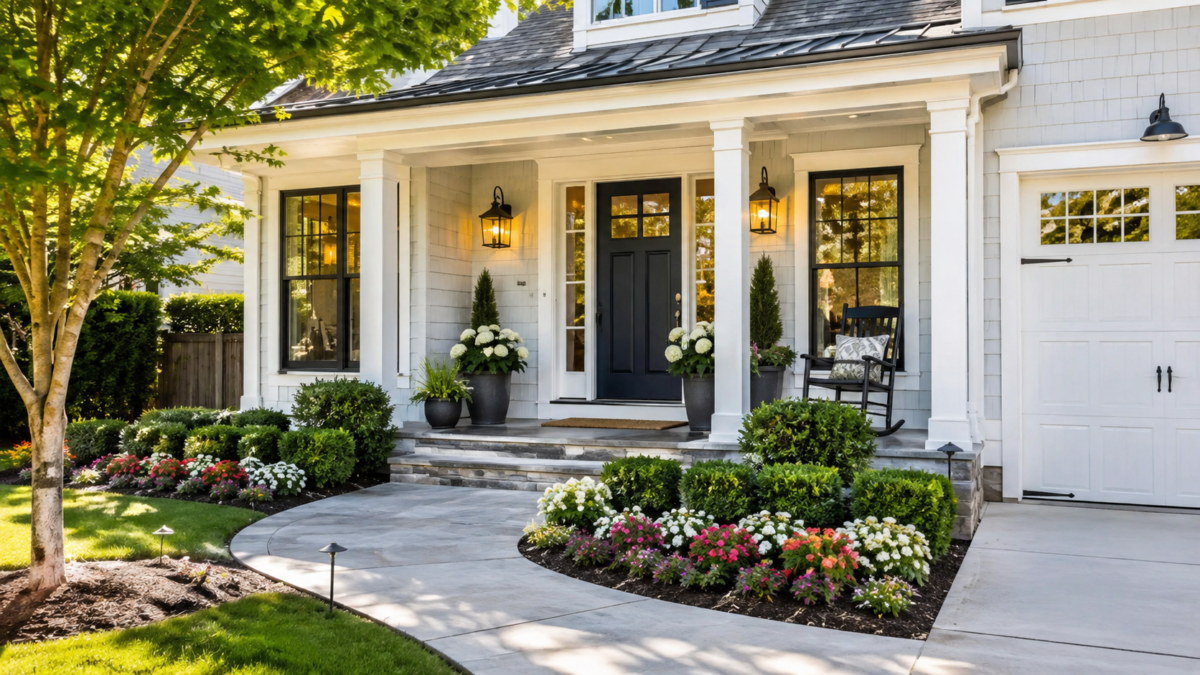
A home begins making an impression before anyone reaches the front door. The lawn, walkway, lighting, planting beds, patio areas, and overall exterior condition all shape how visitors and potential buyers read the property. When the outside looks clean and intentional, the home feels more welcoming, organized, and valuable.
Strong outdoor presentation does not always require a major renovation. The best results often come from focused improvements that make the exterior easier to see, use, and maintain. Whether a homeowner is preparing to sell or simply wants the property to feel more polished, outdoor upgrades can influence how the entire home is perceived.
Start With a Clean, Maintained Exterior
Before adding new features, homeowners should assess what already exists. A freshly cut lawn, trimmed shrubs, edged walkways, clean mulch beds, and weed-free planting areas can immediately make the property feel better maintained.
The entry path deserves close attention. Cracked walkways, overgrown plants, faded planters, and clutter near the front door can make the approach feel neglected. Pressure washing steps, repainting railings, clearing leaves, replacing dead plants, and refreshing mulch are simple ways to improve the first view of the home.
Seasonal upkeep also matters. In spring and summer, this may include planting color near the entrance, cutting back fast-growing shrubs, and keeping grass healthy. In fall, it may involve clearing leaves and refreshing beds. In winter, safe paths, visible lighting, and neat evergreen plantings can help the exterior remain presentable when the yard is less active.
Use Landscaping to Frame the Home
Landscaping should highlight the home rather than hide it. Overgrown shrubs, crowded beds, and poorly placed trees can block windows, cover architectural details, and make the property feel smaller. Plants, beds, and borders should guide attention toward the entryway, porch, windows, stonework, or outdoor gathering areas.
Scale is important. Larger homes may need layered greenery or wider planting beds to avoid looking bare, while smaller homes often benefit from cleaner lines and simpler plant choices. A limited plant palette usually looks more refined than a crowded mix of colors, textures, and heights.
For homeowners thinking beyond basic lawn care, Tussey Landscaping is an example of how landscape design, hardscaping, patios, lighting, water features, and outdoor living elements can work together to create a more complete exterior plan. This kind of coordinated approach helps outdoor improvements feel connected rather than pieced together.
Plant placement affects both appearance and function. Low plantings near walkways keep paths open and easy to follow. Taller shrubs can add privacy where needed, but they should not block important views or create dark corners. Trees can provide shade and character when maintained so they do not crowd the roofline or drop heavy debris near entry areas.
Add Hardscaping That Makes the Property Feel Finished
Hardscaping gives outdoor areas structure. Walkways, patios, paver borders, retaining walls, steps, and stone accents can make a yard feel more organized and usable.
A clear walkway is one of the most important hardships for first impressions. It directs visitors toward the entrance and creates a sense of arrival. If the current path is cracked, uneven, narrow, or hidden by plants, the approach can feel awkward. Durable materials and a clean layout can make the front of the home feel safer and more attractive.
Patios add purpose to outdoor space. A plain backyard can become more useful when it includes a defined area for seating, dining, or relaxing. The patio does not need to be oversized. A design that fits the scale of the home often feels more natural than one that dominates the yard.
Retaining walls can improve sloped properties by creating level planting areas, supporting patios, defining garden beds, and reducing erosion. When the materials match the home’s style, retaining walls can also add visual strength to the landscape.
Smaller hardscape details matter too. A paver edge around a planting bed, a defined gravel path, or a stone border near a driveway can make the exterior look more orderly without requiring a large project.
Create Outdoor Living Areas People Can Picture Using
Outdoor living spaces help a home feel more functional. A patio, pergola, firepit, outdoor kitchen, pool area, or seating space gives the yard a clear purpose and helps people imagine how the property could be used.
The best outdoor living area matches the home and the way people realistically live. Some properties may need a small patio with comfortable seating and shade. Others may support a larger entertaining space with a dining area, built-in grill, fireplace, or pool. The feature should suit the property, neighborhood, and expected level of maintenance.
Comfort influences whether an outdoor area feels usable. Shade structures, pergolas, umbrellas, and well-placed trees can make a space more pleasant during warm weather. Firepits and fireplaces can extend seasonal use. Seating walls, built-in benches, and flexible furniture layouts can make the area feel more inviting.
Privacy also affects outdoor appeal. A backyard may have attractive features, but if it feels exposed to neighbors or busy streets, people may not picture themselves using it often. Strategic plantings, fencing, screens, and smart layout choices can create separation without making the yard feel closed off.
Outdoor kitchens and dining spaces should be placed where they make sense. A grill or prep area located close to the home is usually more convenient than one placed far from the main kitchen or traffic flow. The most useful outdoor features fit naturally into daily life.
Choose Projects That Support Buyer Appeal
Outdoor upgrades should feel attractive, useful, and appropriate for the home. A highly personalized feature may suit the current owner but appeal to fewer future buyers. Homeowners preparing to sell should prioritize improvements that make the property feel cleaner, easier to maintain, and more functional.
Real estate professionals often emphasize exterior presentation because buyers respond to a home before the showing begins. According to outdoor remodeling research, curb appeal is widely viewed as an important factor in attracting buyers. That does not mean every homeowner needs a major outdoor project, but it does show why exterior conditions deserve attention.
Sell smarter
List your home on the MLS for $99
No listing agent, no 3% commission. Beycome handles your MLS listing so you keep more of what your home is worth.
Sell your home →Buy smarter
Get up to 2% back at closing
Buy any home with a Beycome agent and receive a rebate of up to 2% of the purchase price — paid to you at closing.
Buy a home →The best projects often solve visible problems. A muddy side yard may benefit from a stone path or drainage improvement. A bare front entrance may need layered plantings and better lighting. A backyard with no gathering area may need a patio or seating space. Improvements that address real issues tend to feel practical and convincing.
Maintenance should guide decisions. A landscape that requires constant watering, trimming, and seasonal replacement may not appeal to every buyer. Durable plants, simple bed designs, quality hardscape materials, and easy-care outdoor features can make the property feel more manageable.
Materials should also match the character of the home. A traditional house may suit classic stone, brick, or natural planting beds. A modern home may benefit from clean lines, simple pavers, ornamental grasses, and restrained lighting. When outdoor improvements fit the home’s style, they look intentional rather than temporary.
Use Lighting to Extend the First Impression
Outdoor lighting can improve how safe, finished, and welcoming a property feels after sunset. A dark entryway, shadowed walkway, or poorly lit patio can weaken the impression created during the day.
Path lighting is useful near walkways, steps, driveways, and garden paths. It helps visitors move safely and gives the exterior a more cared-for appearance. Lighting near the front door should make the entrance visible without creating harsh glare.
Landscape lighting can highlight trees, stonework, garden beds, water features, and architectural details. Subtle placement often works better than dramatic effects. A few well-positioned fixtures can make the yard feel polished without looking overly staged.
Backyard lighting should support how the space is used. String lights, wall lights, step lights, and low-voltage landscape lights can define seating and dining areas. When lighting follows the layout of the yard, outdoor areas become more functional in the evening.
Lighting can also improve listing photos and evening showings. Exterior photos with balanced lighting often look more inviting online, where many buyers form their first opinion of a home.
Keep Outdoor Upgrades Practical and Market-Appropriate
Outdoor improvements should add appeal without making the property feel overbuilt. A large outdoor kitchen, pool, or elaborate patio may be impressive, but the right project depends on the home’s size, location, price point, and expected use.
Proportion matters. A small yard may benefit more from a compact patio, simple plantings, and good lighting than from multiple large features. A larger property may need defined zones so the outdoor space feels organized instead of empty.
The budget should be planned carefully. Homeowners do not need to complete every project at once. Phased improvements can work well when they follow a clear plan. For example, grading and drainage can come first, followed by a patio, planting beds, and lighting. This approach helps avoid mismatched additions and wasted spending.
Durability is another key factor. Outdoor materials face weather, foot traffic, moisture, sun, and seasonal changes. Quality materials for patios, walkways, walls, and outdoor features can help improvements last longer with fewer repairs.
The strongest upgrades feel natural for the property. They improve appearance while supporting everyday use, which makes the exterior more appealing without feeling excessive.
Think About Curb Appeal Before Listing
For homeowners preparing to sell, curb appeal should be addressed early. Exterior updates should not be left until the last minute, especially when the property needs planting, hardscape repairs, lighting upgrades, or seasonal cleanup.
The front of the home should be reviewed from the street. Common distractions include overgrown shrubs, dull mulch, faded doors, damaged walkways, stained siding, missing lighting, and empty planting beds. These issues can shape a buyer’s opinion before the interior is seen.
The backyard should be prepared as well. Buyers may first notice the front, but outdoor living areas can influence how they remember the property. A clean patio, trimmed lawn, comfortable seating area, and well-maintained garden can make the home feel more complete.
Homeowners preparing to list should also review how to improve curb appeal before selling, since small exterior details can influence how buyers judge the rest of the property. Even modest updates can help the home look more inviting in photos and during showings.
Timing can make a difference. If a home will be listed in spring, planning outdoor updates in late winter may leave enough time to clean, plant, repair, and photograph the property properly. If selling in fall or winter, evergreen plantings, clean hardscapes, strong lighting, and safe walkways can help the exterior remain appealing.
Sellers should avoid making the yard look overly staged or difficult to maintain. Outdoor spaces should feel welcoming and realistic, giving buyers a clear sense of how they could use and care for the property.
Conclusion
Outdoor improvements shape how people feel about a home from the moment they see it. Clean maintenance, balanced landscaping, structured hardscaping, usable outdoor living areas, and thoughtful lighting can make the property feel more cared for and inviting.
The most effective upgrades are practical, cohesive, and suited to the home. When the outside feels polished and functional, the entire property makes a stronger first impression.

