
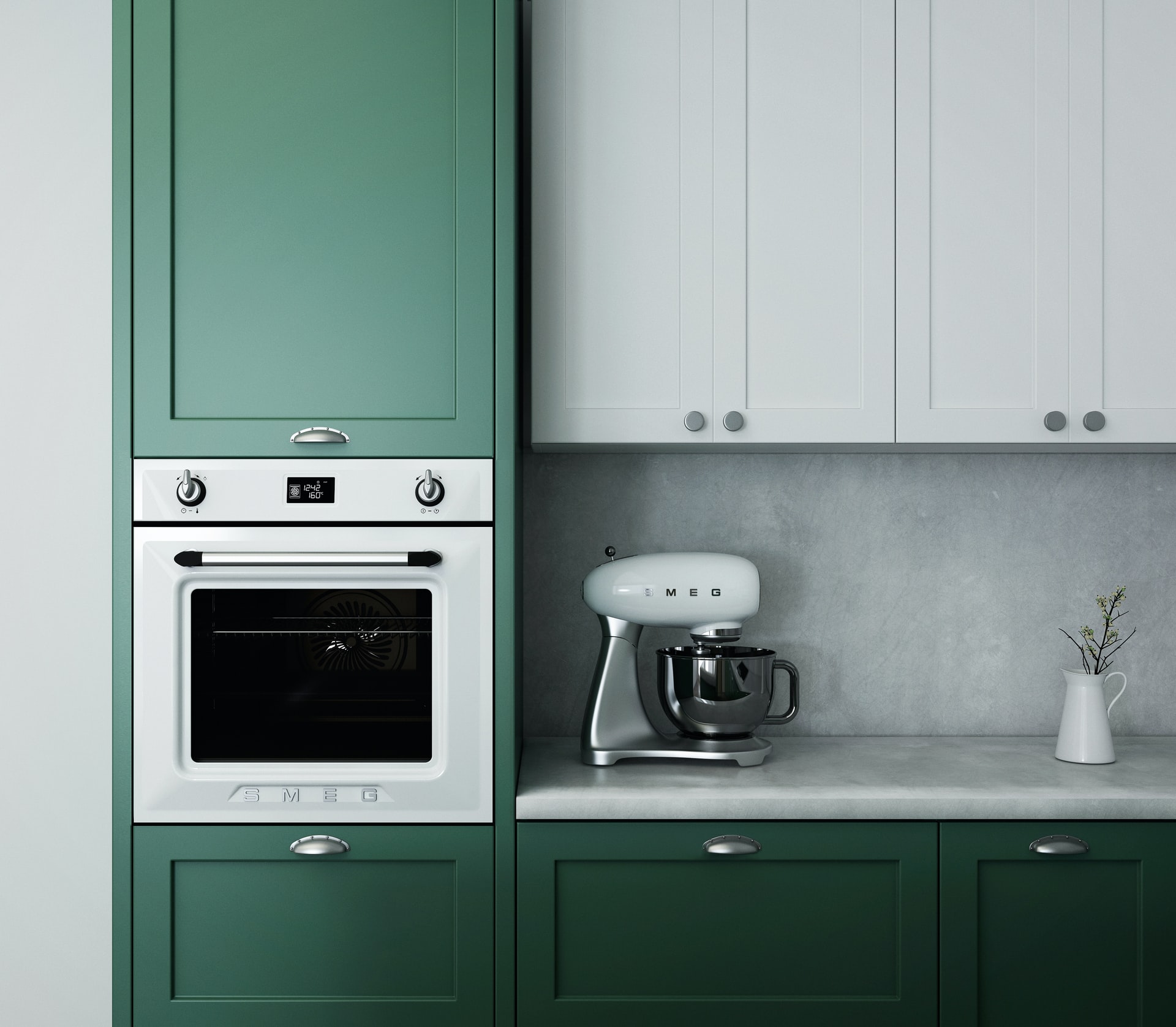
Updated October 2026. A simple maintenance plan to keep home appliances working properly, with temperature and efficiency figures from the FDA and ENERGY STAR read October 29, 2026.
To keep home appliances working properly, give each one a short, regular check: set the fridge at or below 40°F and the freezer at 0°F, inspect or change HVAC filters monthly, clean the dryer lint screen every load, and descale and clean filters on the dishwasher and washer. As of October 2026, ENERGY STAR says a dirty HVAC filter raises energy costs and can lead to early failure.
Jump to: ⏱️ Maintenance schedule · 🏠 Kitchen · 🪜 Laundry and HVAC · 💲 Home warranties · 🤝 Buying or selling · ❓ FAQ
Key takeaways
- Fridge at or below 40°F (4°C), freezer at 0°F (-18°C), checked with an appliance thermometer, per the FDA.
- Inspect, clean or change HVAC filters once a month, as ENERGY STAR advises.
- ENERGY STAR certified fridges are about 9% more efficient than the federal minimum and can save about $150 over 12 years.
- A home warranty can cover repairs, but read what’s excluded and what the service fee is before you buy.
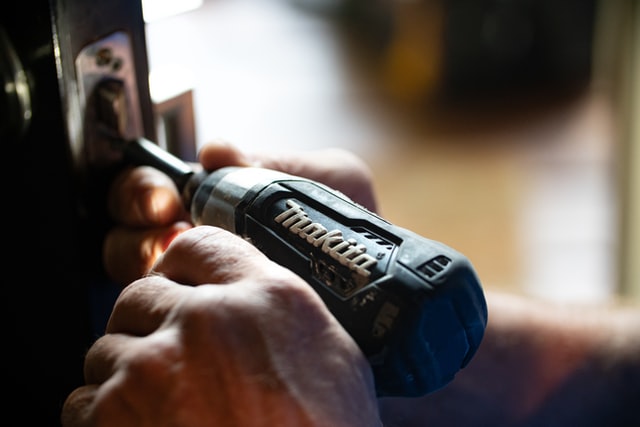
How often should you maintain home appliances?
Most appliance breakdowns start small: a clogged filter, a dusty coil, a hose that’s been cracking for a year. A schedule catches them. Put these on your phone calendar and they take minutes.
| Appliance | Task | How often |
|---|---|---|
| Refrigerator | Check temperatures; wipe door seals | Monthly |
| Refrigerator | Vacuum condenser coils; replace water filter | Every 6 months |
| Dishwasher | Clean the filter and spray arms | Monthly |
| Washing machine | Run a cleaning cycle; leave the door open to dry | Monthly |
| Washing machine | Check fill hoses for bulges or cracks | Twice a year |
| Dryer | Clean the lint screen | Every load |
| Dryer | Clean the vent duct to the outside | Yearly |
| HVAC | Inspect, clean or change filters | Monthly |
| HVAC | Professional tune-up | Yearly, before heating or cooling season |
| Water heater | Flush sediment; test the relief valve | Yearly, per the manual |
Your appliance’s manual always wins over a general schedule. If you lost it, search the model number on the maker’s site. Most post manuals as free web pages.
How do you keep kitchen appliances running well?
Refrigerator. The FDA says to keep the fridge at or below 40°F (4°C) and the freezer at 0°F (-18°C), and to check with an appliance thermometer, since the dial isn’t a reading. Don’t pack it so tight that air can’t circulate. If you want to understand why a few degrees matter, this physics primer on how to keep the temperature scales straight is a quick read.
Twice a year, unplug the fridge, pull it out and vacuum the condenser coils on the back or behind the bottom grille. Dusty coils make the compressor work harder. Wipe the door gaskets with warm soapy water. To test a seal, close the door on a dollar bill: if it slides out easily, the gasket may need replacing.
Dishwasher. Pull out the filter at the bottom, rinse off the food bits and scrub it with a soft brush. Clear the holes in the spray arms with a toothpick. Run an empty hot cycle with a dishwasher cleaner now and then, especially if you have hard water.
Oven and range. Wipe spills when the oven cools, before they bake on. Clean the range hood filter every month or two, since grease buildup is a fire risk and makes the fan noisy.
Microwave. Heat a bowl of water with lemon slices for a few minutes, then wipe the inside. Steam does the work.
Buying a house? Our guide on how to inspect appliances when buying a house shows what to test before closing.
How do you care for laundry appliances and HVAC?
Washer. Front-loaders trap moisture in the door gasket. Wipe it after the last load and leave the door ajar. Run the cleaning cycle monthly. Check the fill hoses twice a year; braided stainless hoses resist bursting better than plain rubber ones.
Dryer. Clean the lint screen every single load. Once a year, disconnect the vent and clear lint from the duct and the outside flap. A dryer that takes two cycles to dry a load, or a laundry room that gets hot, usually means a clogged vent. That’s a fire risk, not just a power bill problem.
HVAC. ENERGY STAR’s maintenance checklist says to inspect, clean or change air filters once a month in your central air conditioner, furnace or heat pump. It adds that a dirty filter can increase energy costs and damage your equipment, leading to early failure. Keep the outdoor unit clear of leaves and plants by a couple of feet, and book a yearly tune-up.
Also look at the supply and return grilles. Blocked or dusty vents of your HVAC are one of the common reasons an air conditioner stops cooling, as HowStuffWorks explains. Our guide to cleaning your air conditioner walks through it.
Water heater. Sediment builds up at the bottom of tank heaters and makes them noisy and less efficient. Flush a few gallons from the drain valve once a year, following your manual. If you’re shopping for one, read our four facts to know before buying a water heater.
Sell smarter
List your home on the MLS from $99
A flat fee instead of a percentage, and $0 to Beycome at closing. You stay in control of your sale.
Sell your home →Buy smarter
Get up to 2% back at closing
On homes listed by other agents, Beycome credits you up to 2% of the price at closing (1% kept, $1,499 minimum; not on FSBO homes or homes listed by Beycome sellers).
Buy a home →When should you repair or replace an appliance?
A common rule of thumb: if a repair costs more than about half the price of a new unit, and the appliance is near the end of its expected life, replacing it usually makes more sense. Rules of thumb aren’t rules, though. Get a quote, and ask the technician how much life the unit has left.
Efficiency matters in the math. ENERGY STAR says certified refrigerators are about 9% more energy efficient than models that meet the federal minimum, and that recycling an old fridge and replacing it with a certified one can save about $150 over its 12-year life.
Before you buy any replacement, check for safety recalls on your current model with the manufacturer. Recalled parts are usually fixed for free.
Is a home warranty worth it for appliances?
A home warranty is a service contract. You pay a yearly price, and when a covered system or appliance breaks, the company sends a technician. You usually pay a service fee per visit. A reputable warranty service, such as First American’s Texas plans, spells out which appliances and systems each plan covers.
Before you buy one, read the contract for these points.
- Which appliances are covered, and whether there are dollar caps per item.
- What’s excluded, such as pre-existing conditions, improper maintenance or code upgrades.
- The service fee per visit and how quickly they send someone.
- Whether you can pick your own technician.
Keep your maintenance records. Many contracts exclude failures caused by poor upkeep, and proof that you changed filters and cleaned coils helps. Our 10 frequently asked questions about home warranties cover the details.
Do working appliances matter when you buy or sell?
Yes. Inspectors run the dishwasher, the range and the HVAC. A broken unit turns into a repair request or a lower offer. Fix what’s broken, gather manuals and service records in a folder, and leave it on the counter for buyers.
A few other upgrades help too. See the home upgrades that are actually worth it, our expert tips to maximize your sale price, and fixes for cloudy, drafty window seals. Outside, a fresh coat on the exterior of the house and a roof checked by a reliable roofing company round out the list.
When you’re ready to sell, Beycome lists your home on the major home search sites and the MLS from $99, with $0 due to Beycome at closing. You stay in control of every decision. See how a flat fee listing works.
Home appliance questions
What temperature should my refrigerator be?
At or below 40°F (4°C), with the freezer at 0°F (-18°C), according to the FDA. Use an appliance thermometer to check.
How often should I change my HVAC filter?
ENERGY STAR says to inspect, clean or change it once a month. Some filters last longer, but check monthly.
How do I make my appliances last longer?
Clean filters and coils, check hoses and seals, don’t overload them, and book yearly service for HVAC. Keep the manuals and follow them.
Should I repair or replace an old appliance?
A common rule of thumb is to replace when a repair costs more than about half the price of a new one and the unit is near the end of its life.
Does a home warranty cover all appliances?
No. Coverage depends on the plan. Read the list of covered items, dollar caps, exclusions and the service fee before you buy.
How often should I clean the dryer vent?
Clean the lint screen every load and the vent duct at least once a year, or sooner if drying takes longer than it used to.
Temperature guidance from the FDA and efficiency and filter guidance from ENERGY STAR, read October 29, 2026. Maintenance intervals are general; your manual comes first. Beycome Basic is $99 as of October 2026; “$0 at closing” means no Beycome fee at closing, while other closing costs still apply. General information, not repair or legal advice.
Sources
- FDA, Are You Storing Food Safely?, read October 29, 2026.
- ENERGY STAR, Maintenance Checklist, read October 29, 2026.
- ENERGY STAR, Refrigerators, read October 29, 2026.
- Beycome, listing package features, October 2026.
Disclosure & Disclaimer
Beycome provides real estate services through affiliated licensed brokerages and has a commercial interest in the services and business models discussed on this blog. Content reflects Beycome’s perspective and may promote our services; it should not be treated as independent or neutral reporting.
Articles are provided for general informational and educational purposes only, not as financial, tax, legal, or investment advice or a recommendation for your particular situation. Reading this blog does not create a brokerage, advisory, or other professional relationship.
Information, opinions, pricing, service descriptions, and comparisons reflect the sources and information available when an article was published or last updated and may change. Although we aim for accuracy, we do not guarantee that all content is complete, current, or applicable to your circumstances. Laws, market conditions, and service availability vary by location. Examples and estimated savings are illustrative, depend on stated assumptions, and do not guarantee individual results.
Verify relevant information directly and consult qualified professionals before making decisions. Beycome services are subject to applicable agreements, eligibility requirements, and state-specific terms.
