
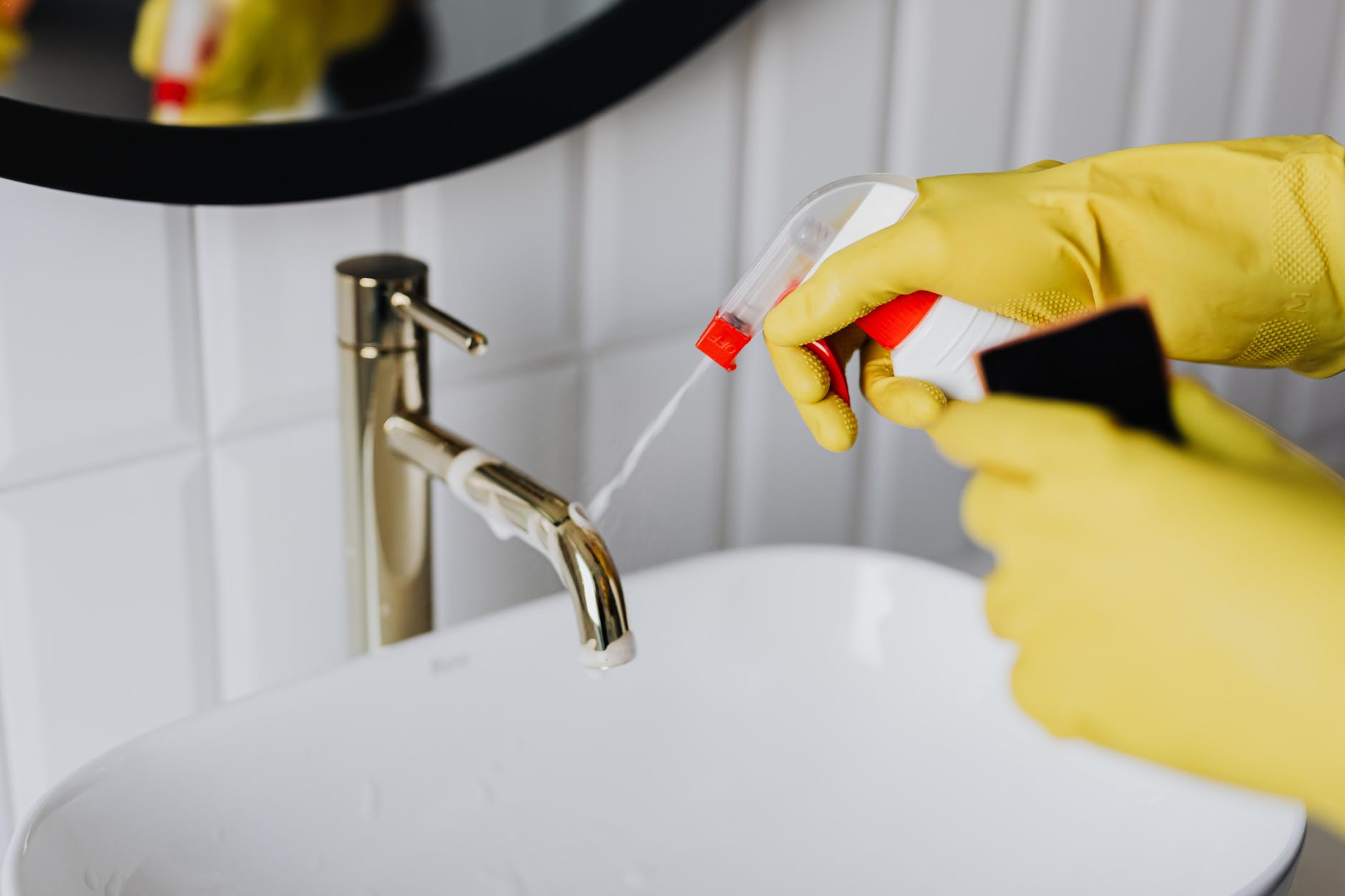
Updated October 2026. How professional cleaners keep a home spotless, and how to use the same routine before you list a house for sale.
Pro cleaners keep a place spotless with a system, not more hours: clear clutter first, clean top to bottom and dry to wet, use microfiber instead of feather dusters, pick the right vacuum and stop dirt at the door. As of October 2026, it also sells homes: in NAR’s 2025 Profile of Home Staging, 88% of sellers’ agents recommended cleaning the entire home before listing.
Jump to: 🏠 Clutter first · 🪜 The pro method · 📸 Tools · 💲 Products · 🤝 Before listing · ❓ FAQ
Cleaning like a pro, in short
- Agents’ top two prep tips before a sale are decluttering (91%) and cleaning the whole home (88%), per NAR’s 2025 Profile of Home Staging.
- Work top to bottom and dry to wet, so dust falls onto surfaces you haven’t cleaned yet.
- EPA advises doormats inside and outside every entry and taking shoes off, to keep tracked-in soil and dust out.
- For dust in older homes, EPA recommends wiping hard surfaces with a damp cloth and wet-mopping, not dry sweeping.
Almost everyone likes a clean home. Very few people like cleaning it. The rest simply run out of time. Pro cleaners have the same problem at a bigger scale, so they’ve built habits that do more in less time. You can borrow them, whether you’re keeping up a busy household or getting a house ready for buyers.
Why do pros start with clutter?
Because you can’t clean what’s covered. Nothing makes a room look messy faster than stuff on every surface. Clutter also doubles the work, since every object has to be lifted, dusted and put back.
Walk the whole place with three bags or boxes: keep, donate, toss. Most people hold on to things out of guilt, not use. Give what still works to charity or a friend. If you’re moving or selling soon, a short-term storage unit can hold what you want to keep but don’t need right now.
Then give everything that stays a home. A basket for mail, a hook for keys, a bin under the sink. Clear counters take seconds to wipe. Our guide to cleaning, repairing and de-cluttering to attract a home buyer goes room by room.
What cleaning method do professionals use?
Pros clean a room the same way every time, so nothing gets missed and nothing gets cleaned twice.
- Top to bottom: ceiling fans, light fixtures and shelves first, floors last.
- Dry to wet: dust and vacuum before you wipe or mop, so you aren’t pushing wet dust around.
- Left to right around the room, so you finish where you started.
- Spray, then wait: give the cleaner a minute or two to work before you wipe.
- One room at a time, with all your supplies in a caddy you carry along.
Then split the house into a schedule. Kitchen counters, sinks and a quick floor pass most days. Bathrooms, vacuuming and dusting once a week. Baseboards, windows, the fridge and the oven once a month or each season. Ten minutes a day beats a lost Saturday, and a few things every house needs, like a robot vacuum, cut that time further.
Windows are the job most people skip. For a streak-free method, see 10 expert tips to clean window panes.
Which tools do pro cleaners actually use?
A short kit, used well, beats a closet full of gadgets. The vacuum matters most. Vacuums are built for the same job, but they perform very differently by type and model. Decide what you need first: carpet or hard floors, pets or no pets, stairs, allergies. Then read reviews and buy the best model you can afford for that job, not the cheapest one that looks good.
Ditch the feather duster. It looks nice, but it mostly moves dust from one surface to another. A microfiber cloth traps dust instead, and you can wash and reuse it many times. Keep a few colors so the bathroom cloth never ends up in the kitchen.
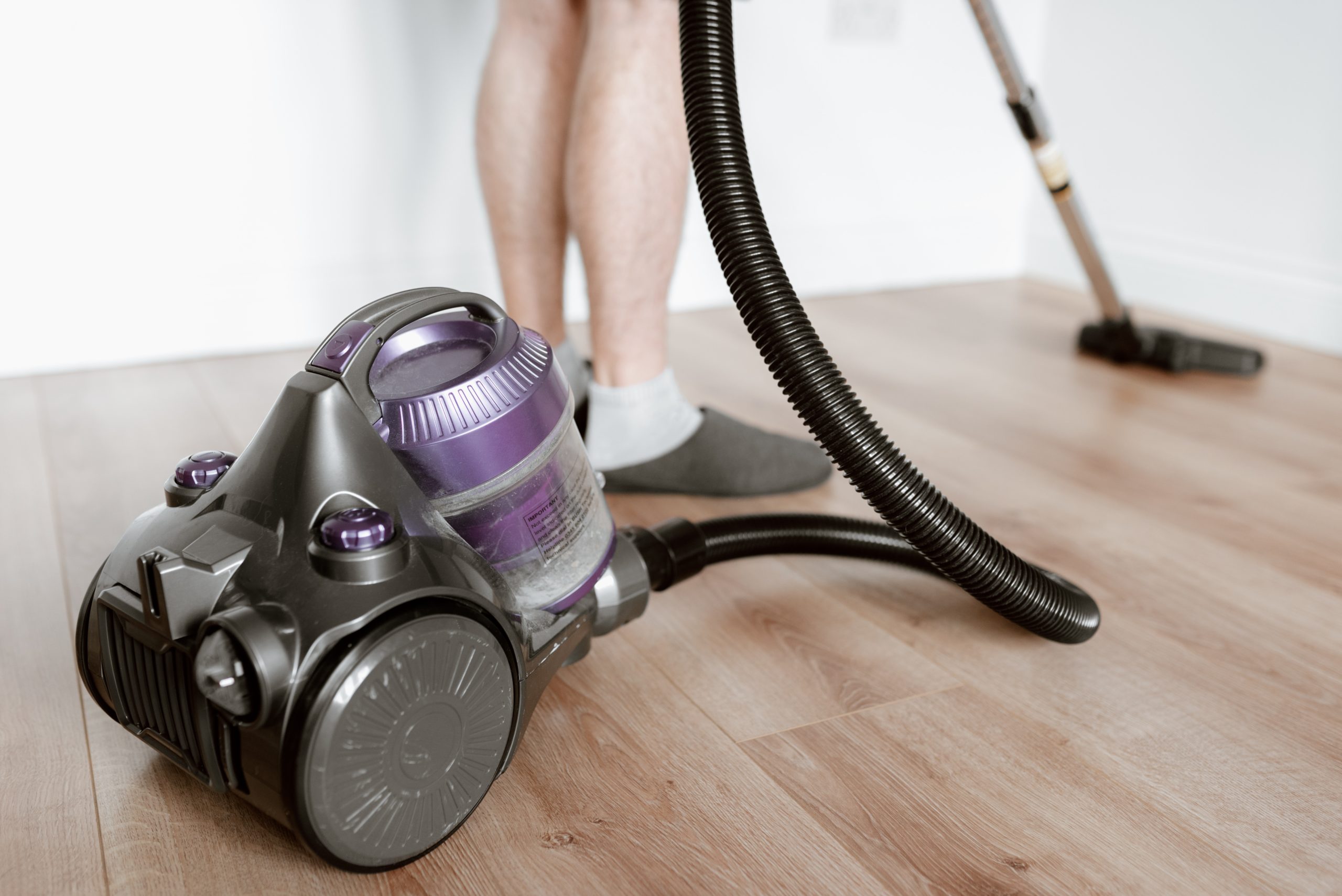
- A vacuum suited to your floors, with a crevice tool and a brush attachment.
- A stack of microfiber cloths and a flat microfiber mop.
- A squeegee for showers and glass.
- A soft scrub brush, an old toothbrush for grout and a scraper for stuck-on spots.
- Gloves and a caddy to carry it all.
Floors get the most wear, so match the tool to the surface. Our guide on floor polishing strategies for every surface covers wood, tile and stone, and Picking the Perfect Floor: 6 Tips helps if you’re replacing one.
Should you use store-bought or DIY cleaning products?
For most jobs, a few good store-bought products save time. DIY is a great way to unleash your creativity around the house, but homemade cleaners often mean more scrubbing for the same result. If you aren’t passionate about rubbing and scrubbing, buy a degreaser, a bathroom cleaner and a glass cleaner, and read the labels.
If you’d like gentler products, look for EPA’s Safer Choice label. EPA’s program certifies cleaning products made with safer chemical ingredients, and it has a search tool for certified products. Whatever you use, never mix products, and keep windows open when you clean a bathroom.
Sell smarter
List your home on the MLS from $99
A flat fee instead of a percentage, and $0 to Beycome at closing. You stay in control of your sale.
Sell your home →Buy smarter
Get up to 2% back at closing
On homes listed by other agents, Beycome credits you up to 2% of the price at closing (1% kept, $1,499 minimum; not on FSBO homes or homes listed by Beycome sellers).
Buy a home →In homes built before 1978, dust can carry lead from old paint. EPA’s advice is to clean weekly, wipe hard surfaces like counters, window sills and door frames with a damp cloth or paper towel, and wet-mop floors. It also says not to use steel wool or abrasive cleaners on painted surfaces.
Does taking shoes off really keep a home cleaner?
Yes. EPA notes that soil can be tracked into homes on shoes and becomes part of household dust. Its advice: put doormats outside and inside every entry, and take your shoes off before you come in. Wipe pets’ paws after a muddy walk, too.
Outdoor air brings in dust and pollen as well, and the streets are full of dust on dry, windy days. Close windows on high-pollution days, change HVAC filters on schedule and vacuum entry rugs often. It’s fine to ask guests to leave shoes at the door. Keep a basket of clean slippers there, and nobody minds.
Your air conditioner collects dust too. A Guide to Cleaning Your Air Conditioner and Why It’s Important covers filters, vents and the outdoor unit.
How do you deep clean a house before selling it?
A home for sale is cleaned for the camera and for strangers’ eyes. NAR’s 2025 Profile of Home Staging found the most common prep advice from sellers’ agents was decluttering (91%), cleaning the entire home (88%) and improving curb appeal (77%).
- Empty counters, closets and the garage by about a third, so storage looks roomy.
- Deep clean the kitchen and bathrooms: grout, glass, fixtures, inside the oven and fridge.
- Wash windows inside and out, and wipe light switches, door handles and baseboards.
- Shampoo carpets or have them cleaned, and take care of pet odors.
- Keep a 15-minute reset routine for showing days.
Pros help here. A one-time deep clean before listing photos is money well spent if you’re short on time. See what a clean costs before selling. For more steps, read How To Prepare Your Home For Sale? Top Tips and Selling Your Property Fast with Simple Tips From the Pros.
Thinking of selling it yourself? The Pros and Cons of Selling Your Own Home lays out both paths fairly. With Beycome, a full platform to sell, buy and close, a flat fee MLS listing starts at $99, reaches the major home search sites and the MLS, and charges $0 at closing. Beycome has worked with 22,000+ homeowners who saved over $225 million (Beycome internal data, October 2026).
Home cleaning questions
What order do professional cleaners clean in?
Top to bottom and dry to wet: dust high surfaces first, vacuum, then wipe and mop, finishing with the floor.
Are feather dusters bad?
They tend to spread dust rather than remove it. A damp or dry microfiber cloth traps dust and is reusable.
How often should I deep clean my home?
Most homes do well with daily quick tasks, weekly bathrooms and floors, and a deeper clean of baseboards, windows and appliances monthly or each season.
Does taking shoes off inside make a difference?
Yes. EPA recommends doormats at every entry and taking shoes off to cut down on soil and dust tracked into the home.
What cleaning products are safer to use?
Look for EPA’s Safer Choice label, follow the directions and never mix products.
Should I hire cleaners before selling my house?
It’s optional. If time is short, one professional deep clean before listing photos covers what agents recommend most.
Lead safety advice applies to homes that may contain lead-based paint, typically those built before 1978; follow EPA guidance and local rules. Beycome prices as of October 2026; “$0 at closing” means no Beycome fee at closing (other closing costs, taxes and title fees still apply). General information, not professional or medical advice.
Sources
- NAR, 2025 Profile of Home Staging news release (May 6, 2025), read October 29, 2026.
- EPA, Reduce the Risk of Lead Exposure at Home, read October 29, 2026.
- EPA, Safer Choice, read October 29, 2026.
- Beycome, listing package features, October 2026.
Disclosure & Disclaimer
Beycome provides real estate services through affiliated licensed brokerages and has a commercial interest in the services and business models discussed on this blog. Content reflects Beycome’s perspective and may promote our services; it should not be treated as independent or neutral reporting.
Articles are provided for general informational and educational purposes only, not as financial, tax, legal, or investment advice or a recommendation for your particular situation. Reading this blog does not create a brokerage, advisory, or other professional relationship.
Information, opinions, pricing, service descriptions, and comparisons reflect the sources and information available when an article was published or last updated and may change. Although we aim for accuracy, we do not guarantee that all content is complete, current, or applicable to your circumstances. Laws, market conditions, and service availability vary by location. Examples and estimated savings are illustrative, depend on stated assumptions, and do not guarantee individual results.
Verify relevant information directly and consult qualified professionals before making decisions. Beycome services are subject to applicable agreements, eligibility requirements, and state-specific terms.
